
24/7 Customer Support

Free returns

Same-day & Next-day Delivery

Quality Guaranteed

Unlock Your Welcome Offers: FREE Delivery | Up to 80% OFF | Free 30-day JoyPlus trial
Download the APP
Making the switch to eco-friendly cleaning products can feel like navigating a minefield of confusing labels and bold claims. Many UK households want to reduce their environmental impact, but are often left wondering if plant-based formulas can truly handle everyday grime, or if they are just paying more for a "green" label. As a Joybuy Product Recommendation Officer, my role is to help you see past the marketing and identify products that are both effective and genuinely sustainable.
Before you add anything to your basket, it's crucial to be aware of a few common pitfalls that can lead to disappointment and wasted money.
To make a smart purchase, focus on these three core parameters. They will help you cut through the clutter and choose products that align with your values and cleaning needs.
The ingredients list is your first point of reference. Look for natural cleaning products that are upfront about what's inside the bottle.
A product's packaging is just as important as its contents. The goal is to move away from the single-use model.
Your cleaner needs to work. A good eco-friendly product is formulated for real-world challenges, like the hard water found in many parts of the UK. Look for products that specifically mention their effectiveness on limescale, soap scum and grease. A well-formulated, plant-based cleaner can be just as powerful as its conventional counterparts.
Instead of a one-size-fits-all approach, we've matched some standout products to different household needs and priorities.
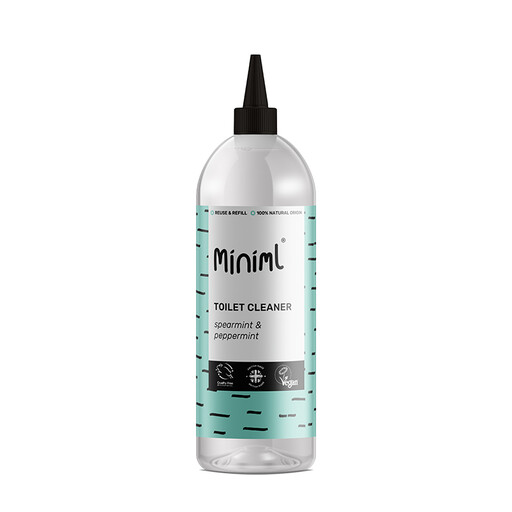
Why This Fits Their Persona: This is for the person fully committed to a circular economy. The focus isn't just on a single purchase, but on participating in a system that eliminates packaging waste entirely over the long term.
It directly counters the "hidden plastic" trap by offering a genuine closed-loop system where empty containers are returned for professional cleaning and reuse, not just sent for recycling.
The zero-waste refill programme is its standout feature. The plant-based formula is also biodegradable, septic tank safe and effective in hard water.
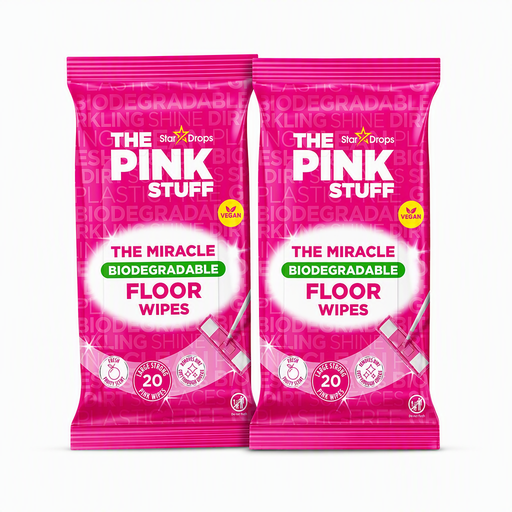
Why This Fits Their Persona: Perfect for those who need a quick, effective solution for spills and daily floor cleaning. It offers the convenience of a wipe without the environmental guilt of traditional plastic-based options.
This avoids "greenwashing" by providing a tangible eco-benefit: the wipes are made from plant-based fibres and are explicitly stated to be biodegradable, addressing a major drawback of conventional floor wipes.
It combines the well-known cleaning performance of the brand with a biodegradable format. The large wipes are versatile for use by hand or with a mop head.
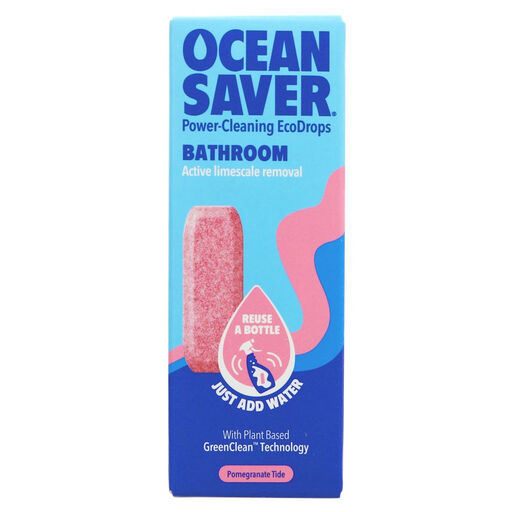
Why This Fits Their Persona: This is an ideal entry point for anyone curious about refill systems. It's a low-cost, low-commitment way to try a plastic-free alternative by using an existing spray bottle you already own.
It avoids the "ineffective formula" fallacy by being a specialised bathroom cleaner designed to tackle soap scum and water marks, proving that concentrated, water-soluble pods can be powerful.
The primary benefit is the massive reduction in plastic waste and storage space. One tiny pod replaces an entire 750ml bottle, making it both cost-effective and space-saving.
We have compiled a complete, real-time list of products that fully satisfy these strict selection criteria and UK safety regulations.
Yes, when well-formulated. Modern natural cleaning products use powerful plant-derived ingredients like citric acid, lactic acid and effective surfactants to cut through grease, grime and limescale. For years, the perception was that eco-friendly meant less effective, but advancements in green chemistry mean today's products can perform just as well as, and sometimes better than, their conventional counterparts, without the harsh fumes.
This is a common point of confusion. Biodegradable means the product will break down into natural elements over time, but the conditions and timeframe are not always specified. Compostable is a more regulated term. For a product to be certified compostable in the UK, it must break down in specific conditions (home or industrial composting) within a set period, turning into nutrient-rich compost. Always check the packaging for specific disposal instructions.
Starting is simple. Begin with one product, such as a multi-surface spray. Purchase a durable, reusable spray bottle (or reuse one you already have) and a set of concentrated refills or pods. Brands like Oceansaver or Miniml are great starting points. Simply drop the pod or pour the concentrate into your bottle, add the specified amount of water, and you're ready to go. This immediately reduces your plastic consumption and is often more cost-effective in the long run.