
24/7 Customer Support

Free returns

Same-day & Next-day Delivery

Quality Guaranteed

Unlock Your Welcome Offers: FREE Delivery | Up to 80% OFF | Free 30-day JoyPlus trial
Download the APP
Planning a party, wedding or even just a summer barbecue comes with a long to-do list. One of the biggest considerations is often the clean-up. While disposable plates offer undeniable convenience, the environmental impact of traditional plastic tableware is a growing concern for many of us.
Fortunately, the market for eco-friendly disposable plates has expanded significantly, offering options that are both stylish and sustainable. But with terms like 'biodegradable', 'compostable' and materials ranging from bamboo to sugarcane, choosing the right product can feel overwhelming.
As the Joybuy Product Recommendation Officer, my role is to help you navigate these choices. This guide will walk you through the key things to consider and highlight some of our top recommendations to make your next event both effortless and a little kinder to the planet.
Before you add anything to your basket, a little knowledge goes a long way. Here are a few key points to consider when selecting plates for parties, weddings or any gathering.
The material is the most important factor in determining a plate's performance and environmental footprint.
There is nothing worse than a flimsy plate collapsing under the weight of a jacket potato or a slice of cake. For events with substantial food, you will want to look for heavy duty disposable plates. Materials like bamboo and sugarcane bagasse naturally offer greater rigidity than some standard paper options. Check product descriptions for terms like "sturdy construction" or "leak-resistant" to ensure your tableware can handle the menu you have planned.
After reviewing the options available, we have selected a few standout products that balance sustainability, performance and value.

Why It Stands Out: These plates are made from 100% biodegradable sugar cane pulp, offering a robust and natural-looking option. Their construction is impressively resistant to grease and moisture, preventing sogginess even with saucy dishes.
Pros:
Who is it for: Hosts of casual gatherings, picnics or barbecues who need a reliable and stylish plate for smaller portions and want to make a responsible choice.

Why It Stands Out: This is a highly practical choice for larger events or commercial use. The 100-pack offers excellent value, and the plates are both microwave-safe and leak-resistant, adding a layer of convenience not always found in disposable tableware.
Pros:
Who is it for: Caterers, event planners or anyone hosting a large party who needs a high quantity of dependable, versatile plates that can handle being reheated.
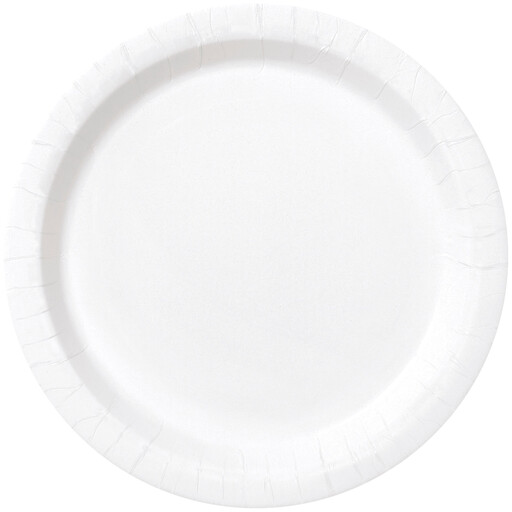
Why It Stands Out: Sometimes, simplicity is key. These crisp white paper plates are 100% plastic-free and fully compliant with UK regulations. Their clean, timeless design makes them incredibly versatile, blending seamlessly into any party theme, from a child’s birthday to an elegant wedding reception.
Pros:
Who is it for: Hosts looking for a classic, elegant and compliant disposable plate that will fit any decor or colour scheme without fuss.
These three recommendations cover some of the most common needs, but every event is unique. If you are looking for different sizes, colours or materials, there are many more choices available.
For a wider selection of sustainable and stylish tableware, explore our full range of party plates.
Are bamboo plates a better choice than paper plates? It depends on your priorities. Bamboo plates are generally more rigid and are made from a rapidly renewable grass. High-quality plastic-free paper plates are often more affordable, can be recycled in many areas and offer a classic look. Both are excellent alternatives to single-use plastic.
Can you serve hot or greasy food on these plates? Yes, most modern eco-friendly plates are designed to be heavy duty disposable plates. Materials like sugarcane (bagasse) and bamboo fibre are particularly effective at resisting heat and oil without becoming weak or leaking. Always check the product description for features like "leak-resistant" to be sure.
How should I dispose of compostable plates in the UK? This is an important consideration. While many products are labelled as compostable plates, this usually refers to industrial composting. Most UK local councils do not accept them in household food or garden waste collections. Unless a product is certified for 'home composting', it should be placed in your general waste. Even in landfill, these materials will biodegrade far more readily than traditional plastic.