
24/7 Customer Support

Free returns

Same-day & Next-day Delivery

Quality Guaranteed

Unlock Your Welcome Offers: FREE Delivery | Up to 80% OFF | Free 30-day JoyPlus trial
Download the APP
As a Joybuy Product Recommendation Officer, my role is to help you navigate the crowded market of household essentials. When it comes to eco-friendly facial tissues, making a sustainable choice that doesn't compromise on quality can feel overwhelming. Many UK households are keen to reduce their environmental impact, but often fall into common purchasing traps.
This guide cuts through the clutter, highlighting the key factors to consider so you can choose a product that is genuinely better for the planet, your skin and your budget.
Before you add a pack to your basket, be aware of these frequent issues that can lead to disappointment and wasted money:
To make a confident purchase, focus on these three non-negotiable parameters. They are the true indicators of quality and sustainability.
The material is the most significant factor in a tissue's environmental footprint and performance.
The "ply" refers to the number of layers a tissue has. This directly impacts its softness, strength and absorbency.
What is not in your tissue is just as important as what is. For households with children, allergies or sensitive skin, this is critical.
Based on these practical criteria, here are some options tailored to different household needs in the UK.
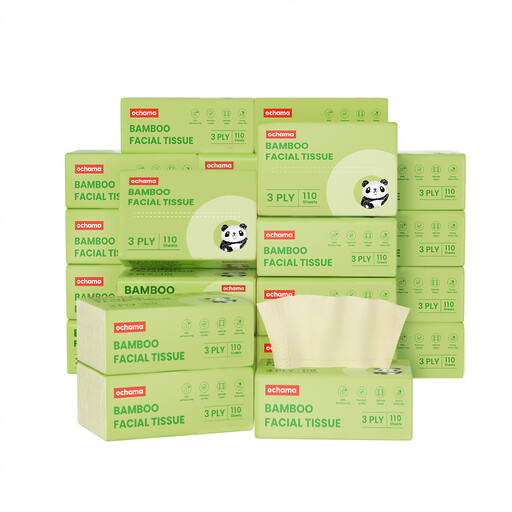
Why This Fits Their Persona: This is a prime example of a bulk facial tissues purchase that delivers on both value and sustainability. The large total sheet count is ideal for a busy family household that wants to stock up without constantly re-ordering.
It counters the "deceptive family pack" pitfall by clearly stating the total sheet count (2640). The FSC-certified, unbleached bamboo material avoids greenwashing with verifiable credentials.
Made from 100% virgin bamboo pulp, it is strong when wet and free from fluorescent whitening agents, making it suitable for the whole family.
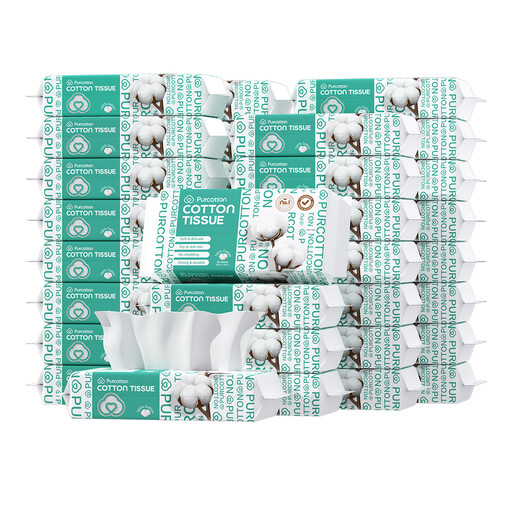
Why This Fits Their Persona: For those who prioritise softness above all, especially for babies or allergy-prone skin, 100% cotton is an excellent choice. These tissues are designed for gentleness and can be used wet or dry for cleansing.
It solves the "softness vs. strength" dilemma by using premium cotton fibres that are naturally soft yet durable. It is also explicitly free of fragrances, alcohol and fluorescent brighteners.
Made from 100% premium cotton for exceptional softness. It is OEKO-TEX certified, confirming it is safe for sensitive skin and is also biodegradable.
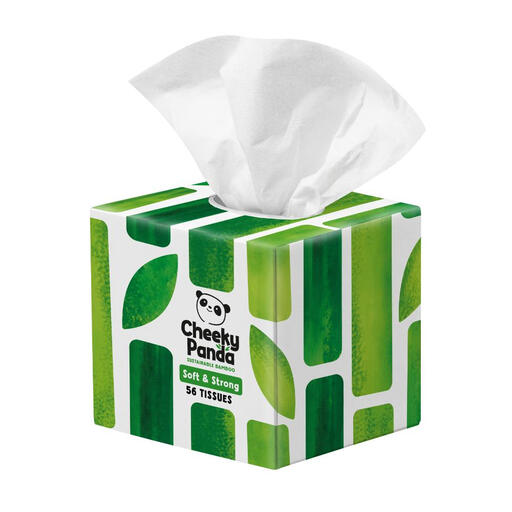
Why This Fits Their Persona: This is for the shopper who wants a reliable, well-regarded eco-friendly option that balances quality and sustainability. It's a straightforward choice from a brand with a strong focus on environmental responsibility.
The brand's multiple certifications (Vegan Society, Carbon Balanced) provide strong, verifiable evidence against greenwashing. The bamboo material is naturally soft and strong.
Made from 100% sustainable bamboo, these tissues are naturally hypoallergenic and free from harsh chemicals, making them a kind choice for both skin and the planet.
We have compiled a complete, real-time list of products that fully satisfy these strict selection criteria and UK safety regulations. The same principles of material choice and value apply to other products like sustainable toilet paper.
1. Are bamboo tissues really better for the environment? From a resource perspective, bamboo is generally considered a more sustainable option than trees. It grows much faster, requires less land and water and captures more carbon. When you choose bamboo facial tissues, especially from an FSC-certified source, you are supporting a more renewable material cycle.
2. What does 'unbleached' mean for facial tissues? Unbleached means the tissues have not been processed with chlorine or chlorine-based chemicals to make them bright white. This reduces the chemical load in the final product and in manufacturing waste. Unbleached tissues retain the natural, off-white colour of the pulp and are often preferred by those with very sensitive skin.
3. Can I save money by buying bulk facial tissues? Yes, buying a family pack or a large box of tissues typically results in a lower cost per sheet. However, it is important to compare the total sheet count and sheet size, not just the number of packs in the box. This ensures you are getting genuine value for your money.