
24/7 Customer Support

Free returns

Same-day & Next-day Delivery

Quality Guaranteed

Unlock Your Welcome Offers: FREE Delivery | Up to 80% OFF | Free 30-day JoyPlus trial
Download the APP
The humble kitchen sponge is a daily workhorse, but traditional plastic-based scourers contribute to a significant environmental problem. Every time you wash up, they can shed tiny microplastics into our waterways, and once they are worn out, they head straight to landfill where they can take centuries to break down.
For UK households looking to make more sustainable choices, the good news is that the market is now full of effective alternatives. However, navigating the options can be confusing. This guide is designed to help you understand what to look for in an eco-friendly kitchen sponge and to highlight a few standout options that deliver on both cleaning power and environmental responsibility.
Before you buy, consider these key factors to ensure your new sponge meets the demands of your household.
The composition of a sponge determines its environmental impact. Many of the most sustainable options are plant-based sponges made in the UK and Europe from materials like wood pulp (cellulose), cotton and flax. These are often designed to be a biodegradable washing up sponge, meaning they will break down naturally over time. For a truly zero-waste option, look for sponges labelled as 'home compostable', as these can be added directly to your garden compost bin at the end of their life.
An effective sponge needs to tackle tough, baked-on food without damaging your cookware. A quality non-scratch scourer is essential for protecting non-stick pans, glassware and ceramic hobs. Look for products that clearly state they are safe for delicate surfaces. Many eco-friendly options use materials like tough plant fibres or specially engineered polymers to provide scrubbing power without scratching.
A durable, reusable dish sponge not only offers better value but also reduces overall waste. Some plant-based sponges can be refreshed by putting them through a dishwasher or washing machine cycle, extending their lifespan considerably. When choosing, consider how long the sponge is likely to last and what you will do with it once it's worn out. A plastic-free kitchen scourer that is also compostable offers the most circular solution.
Here are our recommendations for sponges that balance performance, durability and eco-conscious design.
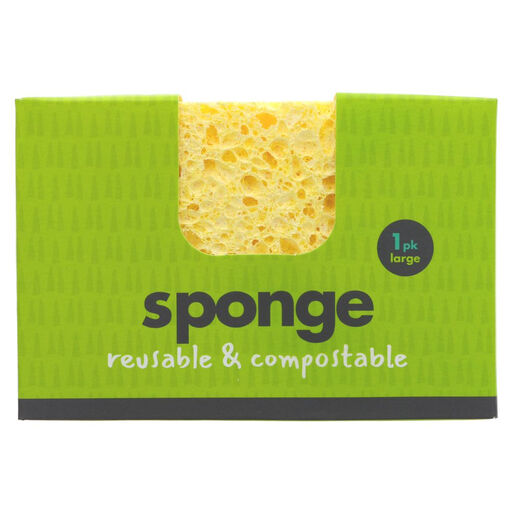
Why It Stands Out This sponge from Ecoliving is a fantastic choice for those committed to a zero-waste lifestyle. Made in the UK from 100% plant-based materials (cotton, wood pulp and flax), it is entirely plastic-free and does not release microplastics. Its dual-action design features a gentle, absorbent side and a tough, non-scratch scouring side. Best of all, it is fully home compostable, allowing you to return it to the earth after use.
Pros
Who is it for? This is an ideal choice for the eco-conscious household seeking a truly circular, compostable sponge that performs effectively without compromising on environmental principles.
View Ecoliving Sponge on Joybuy.co.uk
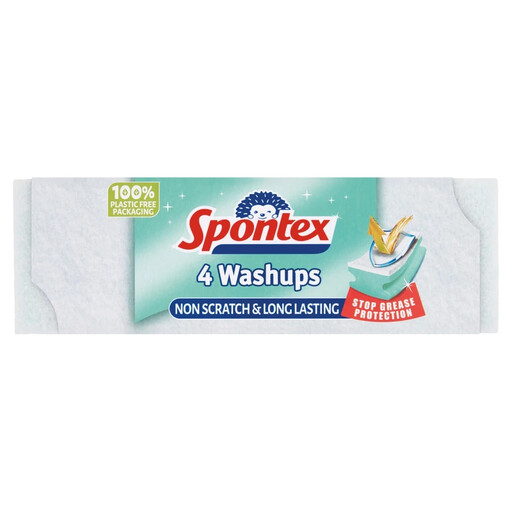
Why It Stands Out For those who prefer a familiar brand known for durability, the Spontex Washups Non Scratch scourers are a solid option. While the sponge itself is not biodegradable, Spontex has made a significant move towards sustainability by using 100% recyclable and plastic-free packaging. The scourers are designed to be tough on grime but gentle on delicate surfaces, and the brand's anti-grease technology helps them stay cleaner for longer. The contoured nailguard is a practical touch for better grip and protection.
Pros
Who is it for? This is a practical choice for households looking for a reliable and durable non-scratch scourer from a trusted brand that is actively reducing its plastic packaging waste.
View Spontex Washups on Joybuy.co.uk
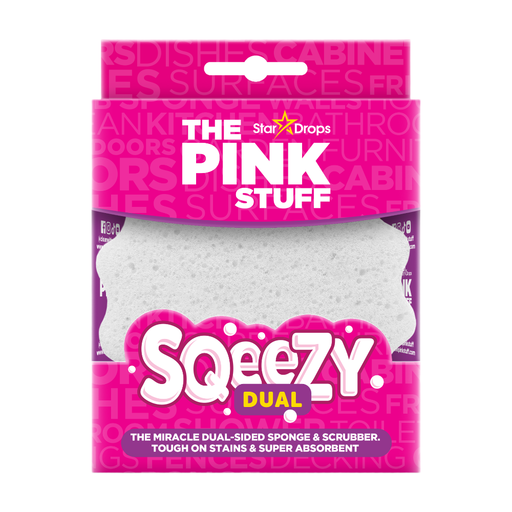
Why It Stands Out The Pink Stuff Miracle Scrubber focuses on reducing waste through sheer durability and versatility. This reusable dish sponge features an innovative temperature-responsive design: it remains firm in cold water for heavy-duty scrubbing and becomes soft in warm water for gentle cleaning. Its dual-sided construction and ergonomic shape make it a powerful tool for a wide range of cleaning tasks, helping you do more with a single, long-lasting product.
Pros
Who is it for? This is a great fit for those who prioritise powerful cleaning performance and want a versatile, heavy-duty sponge that will last a long time, thereby reducing the frequency of replacements.
View The Pink Stuff Scrubber on Joybuy.co.uk
These three recommendations cover a range of needs, from zero-waste purists to performance-focused cleaners. If you haven't found the perfect fit, or if you're interested in exploring a wider variety of sustainable cleaning tools, there are many other options available.
Discover a broader selection of kitchen cleaning solutions in our Mix Marshmallow collection.
The lifespan of a biodegradable washing up sponge varies depending on the material and usage, but many high-quality plant-based sponges last between four to six weeks with proper care. To maximise their life, always rinse them thoroughly after use, squeeze out excess water and leave them to air-dry completely. Some are also machine-washable, which can help refresh them.
This depends on the specific product and your local council's rules. A sponge certified for 'home composting' can be cut into small pieces and added to your home compost bin. However, some bioplastics or 'compostable' materials require industrial composting facilities, which may not be supported by all council food waste collections. Always check the packaging for clear end-of-life instructions.
Not necessarily. While many are designed to be gentle, the effectiveness of the non-scratch scourer side can differ. Materials like loofah or coconut fibre are naturally abrasive but generally safe for most surfaces. For peace of mind, always look for products that explicitly state they are 'non-scratch' and safe for use on non-stick cookware and other delicate items.