
24/7 Customer Support

Free returns

Same-day & Next-day Delivery

Quality Guaranteed

Unlock Your Welcome Offers: FREE Delivery | Up to 80% OFF | Free 30-day JoyPlus trial
Download the APP
Watching a favourite black jumper fade to a disappointing grey or finding that your crisp white bedding has lost its brightness can be frustrating. Often, the culprit is a harsh laundry detergent that prioritises aggressive cleaning over fabric care. For those of us with sensitive skin or a desire to make more sustainable choices, the search for an effective yet gentle laundry solution can feel overwhelming.
This guide is designed to help you navigate the world of eco friendly laundry detergent. We will break down what to look for, from key ingredients to specialised formulas, helping you find a product that not only cleans your clothes but also cares for them, your skin and the environment.
Making an informed choice is simple when you know what to look for. Here are a few key considerations for UK shoppers.
You will often see detergents labelled as either "bio" or "non-bio". The difference lies in enzymes. Biological detergents use enzymes to break down protein-based stains, which is effective but can sometimes cause irritation for those with sensitivities. A non bio laundry detergent is free from these enzymes, offering a gentler clean. This makes it an excellent laundry detergent for sensitive skin, baby clothes and delicate fabrics like silk or wool that can be damaged by enzymes.
A growing number of detergents are moving away from petroleum-derived ingredients. A plant based laundry detergent uses surfactants and cleaning agents derived from natural sources. These formulas are biodegradable and reduce our reliance on finite resources, without compromising on cleaning power. For many, ethical considerations are just as important. Looking for a cruelty free laundry detergent UK brand ensures that no animal testing was involved in the product's development, aligning your purchase with your values.
A single detergent rarely provides optimal care for every item in your wardrobe. Specialised formulas are designed to address specific fabric needs:
Based on their formulation, specific purpose and user-focused benefits, here are our recommendations for 2026.

Why It Stands Out: This wash is specifically engineered to protect the integrity of dark fabrics. Its plant-derived formula cleans effectively while helping to prevent the dye loss that leads to fading. By avoiding harsh chemicals and optical brighteners, it preserves the deep, rich tones of your favourite dark garments. The scent profile of Lavender and Orange Rind leaves clothes with a subtle, clean fragrance.
Pros:
Who is it for: Ideal for anyone who invests in quality dark clothing and wants to extend its life and vibrancy, wash after wash.
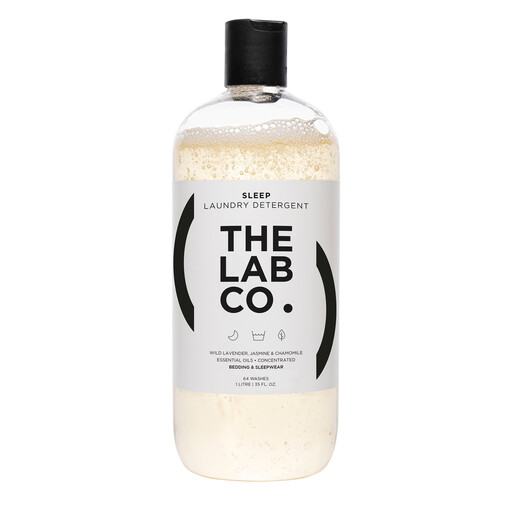
Why It Stands Out: Designed for bedding and sleepwear, this detergent goes beyond simple cleaning. It contains natural conditioning agents that leave fabrics feeling exceptionally soft and comfortable against the skin. The heart of this product is its fragrance blend of Wild Lavender and Chamomile, chosen for their calming properties to help create a tranquil atmosphere conducive to restful sleep.
Pros:
Who is it for: Perfect for those looking to elevate their sleep routine by ensuring their bedding is not only clean but also luxuriously soft and soothingly scented.

Why It Stands Out: This non-bio liquid laundry detergent is the dedicated solution for keeping your light-coloured garments looking their best. It avoids harsh chlorine bleach, instead using its plant-based formula to gently lift stains and combat the dulling or yellowing that can occur over time. The refreshing scent of eucalyptus, orange rind and wild lavender leaves laundry smelling clean and fresh.
Pros:
Who is it for: A great choice for maintaining the brightness of white shirts, light-coloured linens and baby clothes.
Liquid detergents offer convenience and easy measuring, but we understand they aren't for everyone. Some people prefer the traditional feel and storage of a powder. If you're interested in a classic powder format with a soothing scent, explore our selection of Lavender laundry powder for more choices.
Yes, modern eco-friendly detergents are formulated with powerful, plant-derived surfactants that are highly effective at breaking down everyday dirt, oils and grime. For particularly stubborn stains like grass or red wine, pre-treating the spot before washing is always a recommended practice, regardless of the detergent type.
The key difference is enzymes. Bio detergents contain enzymes that excel at breaking down protein-based stains. However, these same enzymes can sometimes irritate sensitive skin or damage delicate fabrics. Non-bio laundry detergent is enzyme-free, making it a gentler option and the preferred choice for those with skin sensitivities, for washing baby clothes and for caring for materials like wool and silk.
You can, and it will clean them effectively. However, a detergent formulated for darks is designed to protect dyes and therefore lacks the brightening agents found in a dedicated detergent for white clothes. While it won't harm your whites, using it on them repeatedly may mean they don't stay as bright as they would with a specialised whites formula. For best results, it is always advisable to use products for their intended purpose.