
24/7 Customer Support

Free returns

Same-day & Next-day Delivery

Quality Guaranteed

Unlock Your Welcome Offers: FREE Delivery | Up to 80% OFF | Free 30-day JoyPlus trial
Download the APP
Hosting a party, picnic or family barbecue is a joy, but the thought of the single-use plastic left behind can be disheartening. If you're looking for ways to celebrate more sustainably, you're in the right place. Choosing eco-friendly party supplies can feel complicated, with so many materials and terms to understand.
As the Joybuy Product Recommendation Officer, my role is to help you navigate these options. This guide offers practical advice and highlights a few carefully selected products to help you make a choice that suits your event and your values, without the marketing jargon.
Before you fill your basket, a few key considerations can help you find the right fit for your needs.
The most sustainable option often depends on the situation.
The material is the most important factor in eco-friendly tableware. Here are some common options:
Here are a few products that stand out for their materials, practicality and design, suitable for a range of different needs.
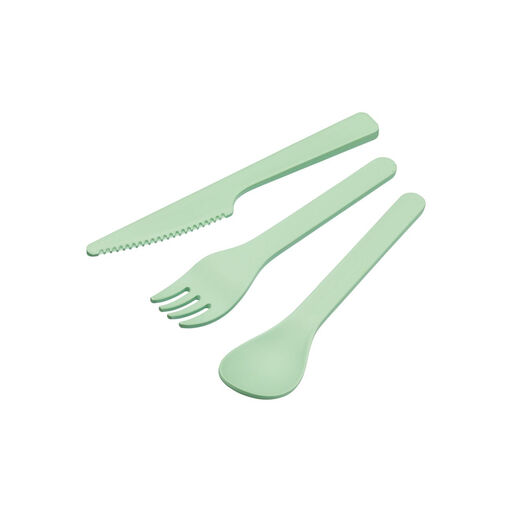
Why It Stands Out This three-piece set from KitchenCraft offers a practical solution for anyone looking to ditch single-use plastics for their daily meals away from home. Made from recycled plastic, it provides a durable and long-lasting alternative. The set includes a knife, fork and spoon, all designed to be tough enough for regular use, whether it's for an office lunch, a school pack-up or as part of your sustainable picnicware collection.
Pros
Who is it for? Ideal for students, office workers and anyone who regularly eats on the move and wants a reliable, eco-conscious alternative to disposable cutlery.

Why It Stands Out When hosting a large event, convenience is key. This 100-pack of 7-inch plates is made from renewable bamboo fibre, offering a more sustainable choice than polystyrene or plastic. These plates are designed with practicality in mind; they are microwave-safe for reheating and leak-resistant, so you can serve saucy dishes without worry. The 7-inch size makes them particularly useful for appetisers, desserts or as eco-friendly kids party plates.
Pros
Who is it for? Perfect for those hosting large parties, community events or barbecues, as well as small-scale caterers looking for a bulk supply of reliable, eco-friendly disposable plates.

Why It Stands Out These plates from COOKER KING are crafted from 100% sugar cane pulp (bagasse), a byproduct of the sugar industry that is fully biodegradable. Their construction is impressively sturdy, capable of handling greasy foods without becoming soggy or weak. The natural beige colour and texture give them a rustic, stylish appearance that can elevate the presentation of your food, making them a great choice for gatherings where aesthetics matter.
Pros
Who is it for? A great option for smaller parties, stylish picnics or barbecues where you want a disposable plate that is both functional and visually appealing.
If these specific products aren't quite what you need, there is a wider world of sustainable tableware to explore. From different sizes and materials to complete party kits, you can find a solution for any occasion.
Explore our full range of disposable cutlery and tableware to find the perfect fit for your next event.
1. Are bamboo plates a better choice than paper plates? Bamboo plates are generally considered more durable and water-resistant than traditional, uncoated paper plates. They are made from a fast-growing, renewable grass, which is a point in their favour. However, the best choice depends on the specific product and how it's disposed of. Look for plates that are certified compostable to ensure they break down properly.
2. What is the difference between biodegradable and compostable party supplies? While often used interchangeably, these terms have different meanings. Biodegradable means a product can be broken down by microorganisms over time, but this process can take many years and may leave behind residue. Compostable means a product can break down into natural elements in a composting environment within a specific timeframe (usually 90-180 days), leaving no toxic residue. For disposable tableware, "compostable" is often the more specific and desirable standard.
3. Can you wash and reuse eco-friendly disposable plates? Most disposable plates, including those made from bamboo fibre or sugar cane, are designed for single use. While they might hold up to a gentle rinse for a second helping at the same meal, they are not designed for thorough washing or repeated use like ceramic or plastic plates. Their structure will degrade with exposure to water and scrubbing. For repeated use, a dedicated reusable set is the better option.