
24/7 Customer Support

Free returns

Same-day & Next-day Delivery

Quality Guaranteed

Unlock Your Welcome Offers: FREE Delivery | Up to 80% OFF | Free 30-day JoyPlus trial
Download the APP
Choosing an ECOODA blue fishing line is not simply a matter of picking the brightest spool or the highest stated breaking strain. UK anglers need to match the line to the water, lure style, target species and likely contact with weed, rocks or submerged timber.
The ECOODA range includes cyan blue PE fishing line, blue-green fluorocarbon lure fishing line and carbon fluorine options. Each material behaves differently, so understanding the specifications can help you avoid paying for features that do not suit your setup.
A cyan blue fishing line may be easier for an angler to see above the water, which can help with line watching and detecting movement. However, colour alone does not determine how visible the line is below the surface. Water clarity, light conditions and the use of a leader all affect what fish may see.
If you want improved visual tracking, consider a coloured PE main line with a suitable leader. For situations where a less noticeable terminal section is useful, compare it with a blue-green fluorocarbon fishing line.
A high breaking-strain figure does not automatically mean a line is suitable for every lure-fishing situation. Diameter, knot strength, abrasion resistance and casting behaviour also influence practical performance.
A thicker line may offer additional resistance against rough structure, but it can affect lure movement and casting distance. A thinner line may cast neatly, but it needs careful handling around snags. Always compare the stated diameter and breaking strain with your reel, rod and intended species.
PE braid and fluorocarbon are different line materials. PE fishing line is commonly selected as a main line because of its low stretch and compact diameter, while fluorocarbon or carbon fluorine line is often considered for leader or lure-fishing applications.
Product titles can use terms such as carbon fluorine lure fishing line and fluorocarbon lure fishing line. Check the listing carefully to establish whether the item is intended as a main line, leader material or a particular spool configuration.
The ECOODA WXPE836 fishing line listings are identified as cyan blue PE fishing line. PE lines are often chosen by lure anglers who want a low-stretch connection and a visible main line. They still require suitable knots and may benefit from a leader when fishing around abrasive cover.
The blue-green fluorocarbon and carbon fluorine listings are positioned towards lure fishing. These may suit anglers looking for a dedicated leader or terminal-line option, subject to the stated diameter, length and strength on the product page.
Before ordering, check these three details together:
Do not compare two lines solely by the largest number on the page. A balanced specification is more useful than a headline figure that does not suit your tackle.
A wear-resistant fishing line can be useful around rocks, weed beds, bridge supports and submerged branches. Nevertheless, no line should be treated as damage-proof. Inspect the final section regularly, especially after retrieving a lure from a snag or fishing over rough ground.
Look for clear information about the line’s construction and intended use. If the listing does not provide a specification you need, confirm it before purchase rather than assuming that “high quality” describes a particular technical standard.
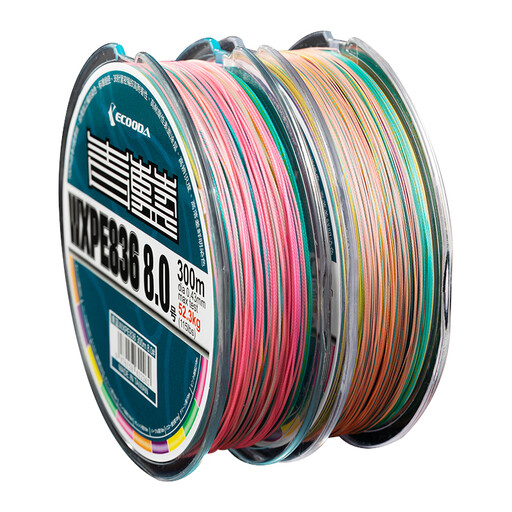
Why This Fits Their Persona: A cyan blue PE option gives newcomers a visible main-line format to compare when assembling a lure-fishing setup for UK canals, lakes or rivers.
Its PE and WXPE836 identification makes the material easier to distinguish from fluorocarbon alternatives, helping buyers avoid selecting by colour alone.
Cyan blue colour; listed as PE fishing line and identified with the WXPE836 model reference.
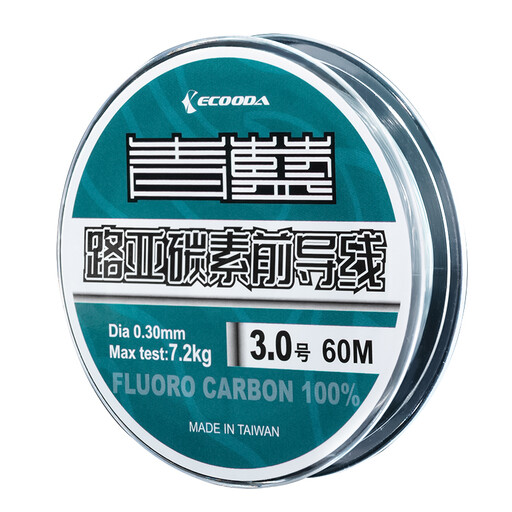
Why This Fits Their Persona: This is suited to anglers comparing a dedicated blue-green fluorocarbon option for lure work rather than selecting a general-purpose coloured PE line.
The product title states both the material category and lure-fishing purpose, reducing uncertainty about what type of line is being considered.
Blue-green fluorocarbon description; explicitly listed for lure fishing.
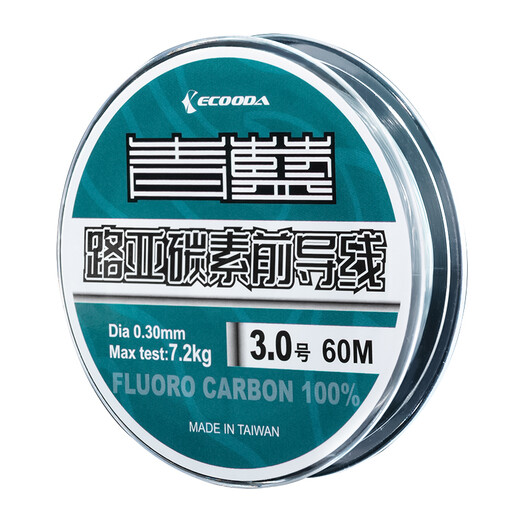
Why This Fits Their Persona: Anglers fishing around abrasive features may want to compare a line specifically described as wear-resistant for lure-fishing use.
It presents abrasion-related information in the product name, but buyers should still inspect the line after contact with rocks, weed or snags.
Product title identifies wear resistance; blue-green fluorocarbon format for lure fishing.
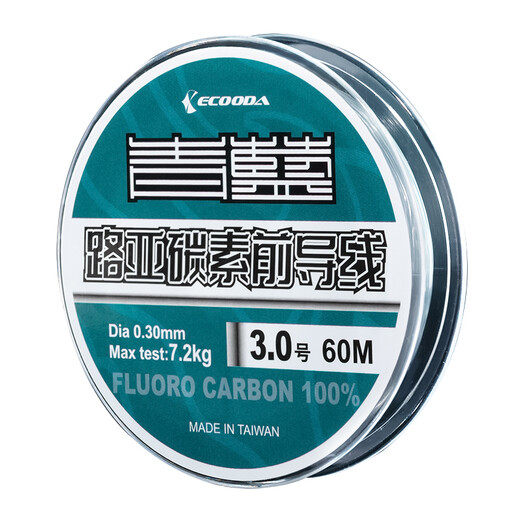
Why This Fits Their Persona: A carbon fluorine lure fishing line may appeal to anglers comparing terminal-line choices for different freshwater and saltwater lure sessions.
The carbon fluorine description distinguishes it from PE braid, helping buyers compare material and intended use before checking the detailed specifications.
Cyan blue colour description; explicitly categorised for lure fishing.
For a PE main line, use a knot and leader combination appropriate to the diameter and lure weight. Wet the knot before tightening, pull it down gradually and trim the tag end neatly. For fluorocarbon, avoid crushing the line with excessive pressure and check the knot after the first few casts.
A practical maintenance routine includes:
UK waters can differ significantly, from clear stillwaters to coloured rivers and exposed coastal marks. Also check the rules of the fishery or local authority, including restrictions on hooks, rigs and permitted methods.
We have compiled a complete, real-time list of products that fully satisfy these strict selection criteria and UK safety regulations.
Several ECOODA listings are specifically described for lure fishing, including the blue-green fluorocarbon and cyan blue carbon fluorine options. The cyan blue PE WXPE836 listings may be considered where a PE main line suits the angler’s setup. Confirm diameter, length and breaking strain before ordering.
It depends on the role of the line. PE is commonly considered for a visible main line with low stretch, while fluorocarbon or carbon fluorine may be selected for a leader or terminal section. Water clarity, cover, lure type and target species should guide the choice.
There is no fixed lifespan. UV exposure, salt, abrasion, knots, heat and repeated loading all affect condition. Rinse saltwater tackle with fresh water, dry it fully and replace line when it shows nicks, flattening, fading or unexplained weakness. A shorter replacement interval is sensible when regularly fishing around abrasive cover.