
24/7 Customer Support

Free returns

Same-day & Next-day Delivery

Quality Guaranteed

Unlock Your Welcome Offers: FREE Delivery | Up to 80% OFF | Free 30-day JoyPlus trial
Download the APP
Choosing an ECOODA casting fishing reel can look straightforward until you compare reel type, spool capacity, materials and intended water. A low price may be appealing, but the wrong design can make casting uncomfortable, reduce control or leave you with equipment that does not suit your usual UK fishing venue.
This guide filters the key buying points and matches selected ECOODA reels to practical angler profiles, from freshwater beginners to anglers looking for long-cast or heavy-duty equipment.
A baitcasting fishing reel is not interchangeable with a spinning fishing reel. Baitcasters are commonly paired with compatible casting rods and can offer direct spool control, but they require more adjustment and practice. A spinning reel uses a fixed spool and is generally more familiar to beginners, especially for lighter lures and general river fishing.
Some product titles use terms such as “casting”, “spinning” and “baitcasting” together. Read the complete product information and check whether the reel is intended for your rod, line and casting style before ordering.
A long-cast fishing reel may support distance-focused setups, but actual casting range depends on lure weight, line diameter, rod action, wind direction, spool fill and the angler’s technique. A reel labelled for long casting is not a promise of a particular distance.
For UK beaches, reservoirs and open banks, compare spool design and line capacity with the tackle you already own. A larger spool may suit heavier line or longer casts, but it can add weight and may be unnecessary for small streams.
An aluminium fishing reel can provide a rigid housing or spool structure, but the material alone does not indicate complete corrosion protection. Salt, sand and moisture can affect moving parts, bearings and line even when the outer body is metal.
For a surf fishing reel, rinse the reel with fresh water after use, dry it thoroughly and follow the manufacturer’s care instructions. Avoid immersing the reel unless the product documentation specifically permits it.
First decide whether you need a baitcasting fishing reel, spinning fishing reel or spincast-style design.
The ECOODA range includes products described as casting, spinning and spincast reels, so do not rely on the brand name alone. Match the reel category to your rod before checking out.
A lightweight casting reel can reduce fatigue during repeated casts, but the lightest reel is not automatically suitable for every setup. The reel should balance the rod around the handle rather than making the tip feel heavy.
For small rivers and lure fishing, prioritise manageable weight and smooth handling. For larger pike, carp or sea-fishing setups, a heavier frame may be more appropriate if it supports the required line and drag arrangement. Check the listed product weight where available and compare it with your rod’s recommended reel range.
Look for clear information about:
If specifications are not shown on a listing, contact the seller before purchase rather than guessing from the product title.
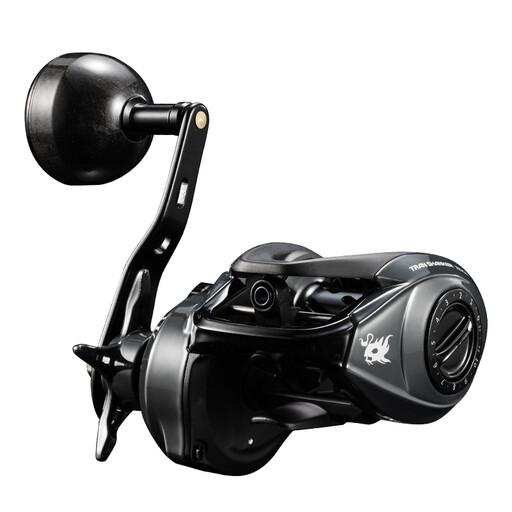
Why This Fits Their Persona: Its product name identifies a lightweight casting design, making it a sensible starting point for anglers building a compact river or lake setup.
It directs attention towards handling weight rather than unsupported promises about casting distance. Check the listed capacity and rod compatibility before ordering.
Lightweight design named in the product title; suitable for buyers prioritising a less tiring casting setup.
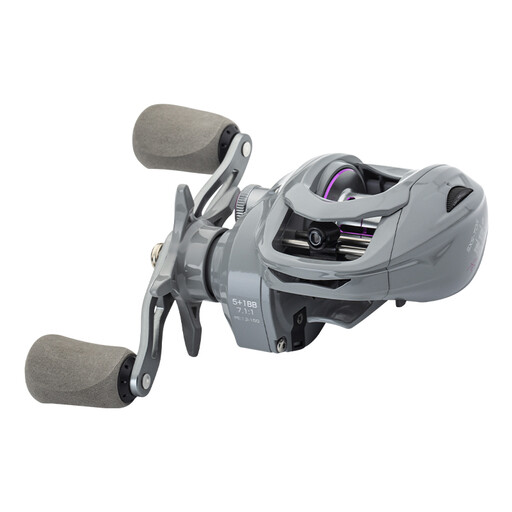
Why This Fits Their Persona: Anglers comparing construction materials and considering beach or heavier spinning applications may prefer a model listed with a metal aluminium build.
The material is identified in the product name, but buyers should still confirm corrosion-care guidance, spool size and drag details for coastal use.
Metal aluminium construction stated in the listing title; surf spinning use is also specified.
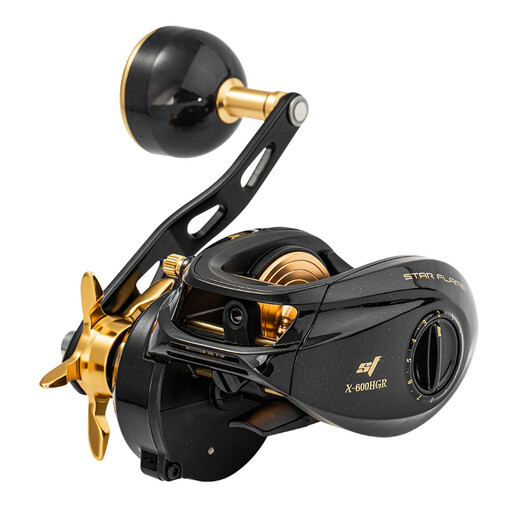
Why This Fits Their Persona: The listed long-casting and heavy-duty positioning makes this option worth considering for anglers targeting larger fish or fishing in open venues.
It is matched by intended use rather than a distance claim. Confirm line capacity, drag specification and compatibility with your heavier rod and terminal tackle.
Long-casting description in the product name; heavy-duty and big-fish positioning are also stated.
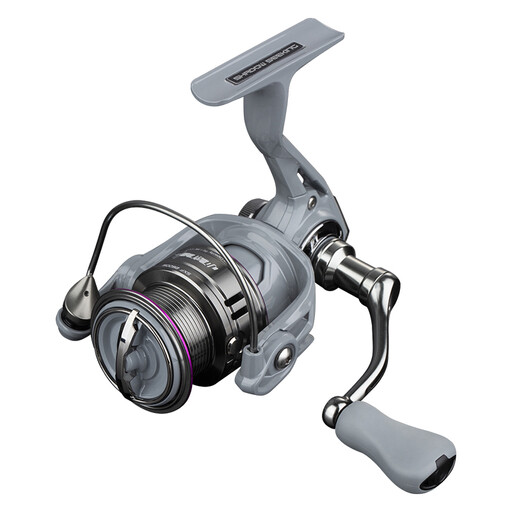
Why This Fits Their Persona: The listing describes stream and lake lure casting, making it relevant to anglers fishing UK rivers, canals and still waters rather than exposed beaches.
Its named environment helps narrow the choice. Check the recommended lure range and line capacity instead of assuming it will suit every freshwater setup.
Stream and lake use stated in the product title; spincast format is identified for straightforward comparison.
We have compiled a complete, real-time list of products that fully satisfy these strict selection criteria and UK safety regulations.
Before the first session, spool the line evenly and leave a small gap below the spool lip. Overfilling can encourage tangles, while underfilling can reduce casting efficiency. Set the drag before fishing and make small adjustments rather than tightening it fully.
For baitcasters, begin with conservative spool-tension and braking settings. Practise with a suitable lure in an open area before fishing near trees, posts or other anglers. For spinning reels, check that the bail arm closes correctly and that the line runs cleanly through the guides.
After use:
Lifespan depends on frequency of use, storage, load, maintenance and exposure to salt or sand. A reel used occasionally in a clean freshwater environment may need less servicing than a surf fishing reel used regularly on exposed beaches.
It can be, provided the reel type matches the rod and the angler’s experience. A lightweight casting reel may be easier to carry, while a spinning or spincast model can be more approachable for general river and lake fishing. Baitcasters usually benefit from practice and careful brake adjustment.
Only if its line capacity, construction, drag and intended use suit the conditions. Products specifically listed as surf spinning reels or long-cast reels may be more relevant, but saltwater care remains important. Confirm the full specifications before using a reel on the coast.
The main ongoing costs are line replacement, occasional lubrication, cleaning supplies and possible servicing. Saltwater use, sand and heavy loading can increase maintenance needs. Following the care instructions and replacing worn line promptly can help avoid unnecessary damage to the reel and rod.