
24/7 Customer Support

Free returns

Same-day & Next-day Delivery

Quality Guaranteed

Unlock Your Welcome Offers: FREE Delivery | Up to 80% OFF | Free 30-day JoyPlus trial
Download the APP
Choosing line for lure fishing is not simply a matter of selecting the highest breaking strain on the packet. The right option depends on your reel, target species, lure weight, fishing environment and how much visibility you want above the water. The ECOODA cyan blue fluorocarbon fishing line range includes both PE and fluorocarbon-style options, so checking the construction before ordering is essential.
For UK anglers fishing canals, reservoirs, rivers and coastal marks, a line that looks suitable online may still be wrong for the intended setup. Here are the main pitfalls to avoid, followed by practical recommendations for different fishing profiles.
The product title should be checked carefully. PE fishing line WXPE836 is a braided line construction, while fluorocarbon and carbon fluorine lines are generally considered for leader or lure connection applications. They behave differently on a baitcaster or spinning reel.
PE braid is commonly chosen for its slim profile and sensitivity. Fluorocarbon is stiffer and has different knot, stretch and handling characteristics. Buying based only on the cyan blue colour can result in a line that does not suit your reel or rig.
A high stated strength does not automatically mean the line will resist every obstacle. Rocks, weed, mussels, submerged branches and sharp-edged structures can damage line through abrasion. A wear-resistant fishing line should still be checked regularly, particularly after fishing around cover or saltwater structure.
Look for the stated diameter, breaking strain and intended line type together. If these details are not visible on the listing, confirm them before purchase rather than relying on broad terms such as “high quality”.
Cyan blue fishing line and blue-green line can make the line easier for the angler to track above the surface, which may help with lure control or detecting movement. However, colour alone does not indicate strength, stretch, knot performance or abrasion resistance.
Fluorocarbon-style lines may be selected when anglers want a less visually prominent connection near the lure, while cyan PE braid may be preferred as a visible main line. The practical choice depends on whether you are buying main line, leader material or a complete replacement spool.
Start by identifying whether the listing is for PE braid, fluorocarbon or carbon fluorine line.
The ECOODA range includes cyan blue PE products and blue-green or cyan blue carbon fluorine options. Match the material to your reel and intended rig instead of treating the products as interchangeable.
Diameter affects casting behaviour, capacity and resistance through the guides. A thicker line generally occupies more spool space, while a thinner line may cast differently and require more careful handling around snags.
Breaking strain should be appropriate for the rod, reel and target species. Do not select a line rating that exceeds the practical limits of your rod or drag system. For lure fishing, the complete setup—including leader, knot and terminal tackle—should be considered rather than focusing on the spool figure alone.
Check the length before buying multiple spools. A longer spool may be useful for a full reel fill or future replacements, while a shorter length may suit leader preparation or a partial change.
For UK saltwater use, rinse the reel and line area with fresh water after fishing and allow it to dry. Inspect the first section of line for roughness, flattening or nicks before the next session. In freshwater, check for damage after contact with stones, vegetation and timber.
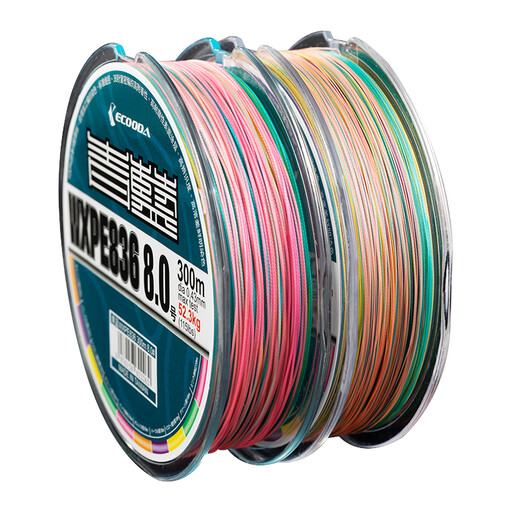
Why This Fits Their Persona: A cyan blue PE option for anglers building or refreshing a lure-fishing setup and wanting a colour that is easier to follow above the water.
Its product title identifies it as PE line, helping buyers avoid confusing a braided main line with fluorocarbon leader material.
PE construction; cyan blue colour; WXPE836 model reference.
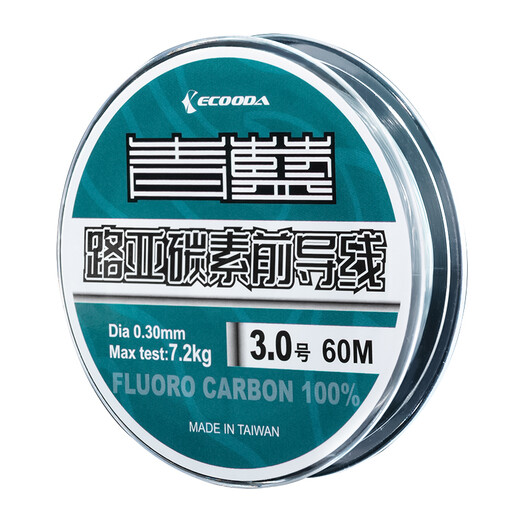
Why This Fits Their Persona: Suits buyers specifically looking for blue-green fluorocarbon lure line with a wear-resistant feature stated in the product name.
The listing identifies both fluorocarbon construction and wear resistance, rather than relying only on a colour description.
Fluorocarbon lure-fishing line; blue-green colour; wear-resistant feature stated by the listing.
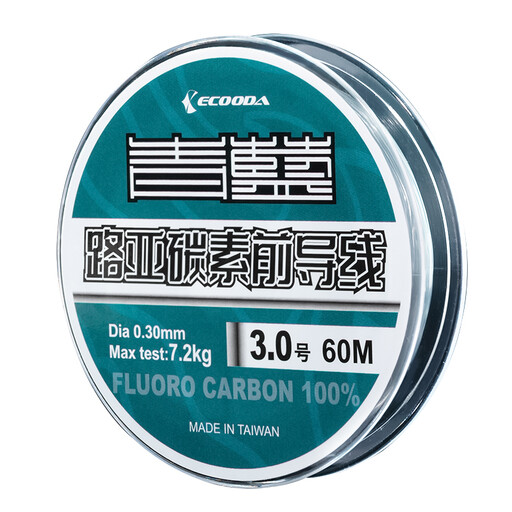
Why This Fits Their Persona: Designed for anglers comparing carbon fluorine options for repeated lure work and who want a cyan blue specification clearly identified in the title.
It is presented as carbon fluorine lure line, allowing heavy-use buyers to compare the material separately from ECOODA PE braid listings.
Carbon fluorine construction; cyan blue colour; intended for lure fishing.
We have compiled a complete, real-time list of products that fully satisfy these strict selection criteria and UK safety regulations.
No. Cyan blue PE products in the WXPE836 range are identified as PE fishing line, while ECOODA carbon fluorine or fluorocarbon products are separate line types. Check the material before choosing whether the line is intended for your main spool, leader or lure connection.
A fluorocarbon-style line may be used in freshwater or saltwater lure fishing, but suitability depends on its stated diameter, breaking strain, spool length and your target species. Rinse and inspect it after each saltwater session, especially if it has been exposed to rocks or structure.
There is no universal replacement interval. Replace line when you notice fraying, roughness, flattened sections, colour deterioration, unexplained breaks or repeated damage near the lure. The frequency depends on use, storage, snags, abrasion and exposure to saltwater.