
24/7 Customer Support

Free returns

Same-day & Next-day Delivery

Quality Guaranteed

Unlock Your Welcome Offers: FREE Delivery | Up to 80% OFF | Free 30-day JoyPlus trial
Download the APP
Choosing an ECOODA cyan blue fishing hook is not simply a matter of picking the most colourful option or the largest pack. The hook style, intended load and compatibility with your rig all affect whether it performs as expected in UK waters.
As the Joybuy Product Recommendation Officer, my role is to filter out vague marketing language and focus on the practical details that matter before you buy. The ECOODA range includes fast light hooks and chain-hook variations in light and heavy formats, so comparing the use case is essential.
A cyan blue fishing hook can be easy to identify in a tackle box, but colour alone does not tell you whether the hook suits your target species, bait or line strength. A blue fishing hook may look distinctive while still being unsuitable for a heavy rig if its size and wire specification are not appropriate.
Treat the cyan finish as an identification or appearance feature, not proof of strength, corrosion resistance or performance.
“Light” and “heavy” usually refer to the intended hook build, wire thickness or application rather than a universal weight standard. A heavy hook may be more suitable for stronger tackle, while a light hook can be more practical for smaller bait and lighter set-ups.
However, product titles do not replace key specifications. Always check the available size, quantity, dimensions and compatibility with your rig before ordering.
A chain fishing hook may be designed for a particular rig arrangement or multi-hook set-up. It may not be a direct substitute for a conventional single hook. Buying the wrong format can lead to wasted tackle and extra time adjusting your set-up beside the water.
Check whether the product is intended as a complete chain-hook arrangement or as an individual component. If the listing does not show enough detail, review the product information or contact the seller before purchase.
Start with the fish species, bait size and method you intend to use. A smaller light hook may pair more naturally with modest bait and lighter line, while a heavy hook may be more appropriate where the rig must handle greater strain.
Do not select a size based only on the product photograph. Images can make hooks appear larger or smaller than they are. Compare the listed dimensions with a hook you already use, if possible.
Wire thickness is one of the most important practical specifications. Thicker wire generally occupies more space in the bait and may suit heavier applications, while thinner wire can be less obtrusive in light set-ups.
The hook must also match the breaking strain and diameter of your line, leader and other terminal tackle. A heavy fishing hook fitted to light line can create an unbalanced set-up; a light fishing hook used with powerful tackle may not be suitable for the intended load.
A cyan blue finish may help you distinguish the hook from other tackle, but it should not be treated as a guarantee of saltwater protection. After use, particularly around coastal areas, rinse suitable tackle with fresh water and allow it to dry fully before storage.
Look for clear information about the hook’s material, coating and intended environment. Keep hooks dry, separated from damp line and stored in a secure tackle box. Also check the point, barb and eye before each outing. Damaged or visibly corroded hooks should be replaced.
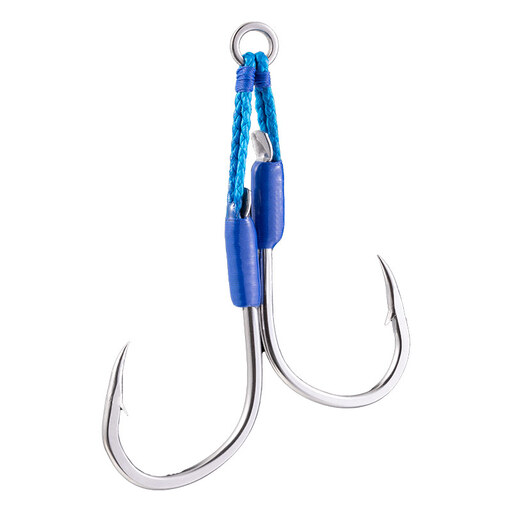
Why This Fits Their Persona: The light-hook format is a practical starting point for anglers building a more versatile tackle box for lighter rigs and smaller bait.
Its product title identifies a fast light-hook format, helping buyers distinguish it from the heavy and chain-hook alternatives before ordering.
Cyan blue finish; light-hook classification; fast-hook wording in the product name.
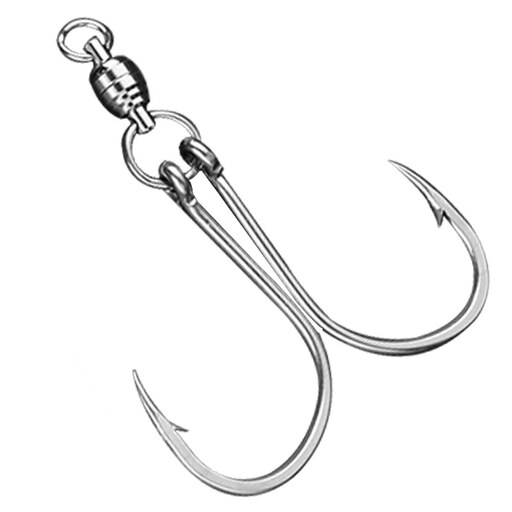
Why This Fits Their Persona: This option suits anglers who want a defined chain-hook configuration while retaining a light-hook format for less demanding set-ups.
The listing identifies both the chain-hook format and light-hook classification, reducing the risk of choosing a heavier arrangement by mistake.
Chain-hook format; light-hook designation; cyan blue colour for quick tackle identification.
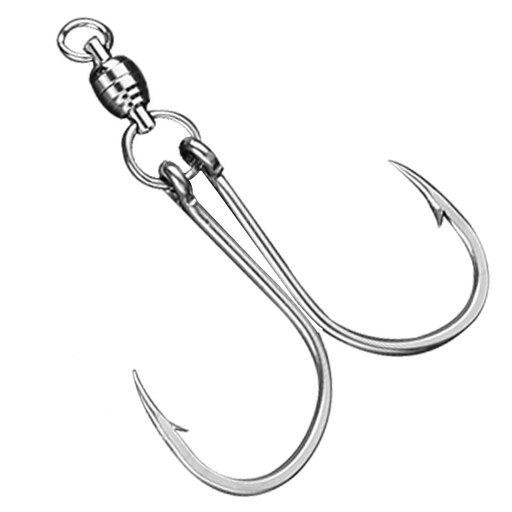
Why This Fits Their Persona: The heavy chain-hook format is aimed at anglers whose set-up specifically calls for a more substantial chain arrangement.
The product title clearly states heavy and chain hook, making the intended format more apparent than a generic blue fishing hook listing.
Heavy-hook classification; chain-hook design; cyan blue finish.
Before choosing an ECOODA fishing hook, use this quick checklist:
We have compiled a complete, real-time list of products that fully satisfy these strict selection criteria and UK safety regulations.
Colour does not determine suitability for sea fishing. Check the hook’s material, finish, size and intended application, then rinse and dry it after use. For coastal angling, corrosion care is particularly important.
Choose according to your rig, bait, target species and line strength. A light fishing hook is generally considered for lighter set-ups, while a heavy fishing hook is intended for applications requiring a more substantial hook format. Always compare the listed specifications before buying.
There is no fixed lifespan. Longevity depends on exposure to salt water, storage conditions, impact and frequency of use. Rinse appropriate tackle after fishing, dry it thoroughly and inspect the point, barb and eye before each session. Replace a hook if it becomes blunt, bent or corroded.