
24/7 Customer Support

Free returns

Same-day & Next-day Delivery

Quality Guaranteed

Unlock Your Welcome Offers: FREE Delivery | Up to 80% OFF | Free 30-day JoyPlus trial
Download the APP
Choosing fishing line by colour or a “high-quality” label alone can lead to an expensive mismatch. For UK anglers, the right option depends on the water, target species, lure weight, cover and the connection between the main line and leader.
The ECOODA cyan blue PE fishing line WXPE836 is designed for buyers comparing braided PE line options, while ECOODA’s cyan blue and blue-green fluorocarbon lure lines serve a different purpose. Before purchasing, check the details that marketing descriptions often leave unclear.
A cyan blue braided fishing line may be easier for an angler to follow above the water, especially when tracking line movement during lure fishing. However, colour does not automatically make a line difficult for fish to see. Water clarity, light conditions and the use of a leader remain important.
Fluorocarbon fishing line is often selected for a leader or terminal section because it has a different underwater appearance from brightly coloured braid. It is not automatically invisible, and its stiffness can affect lure movement and knot choice.
A larger-looking spool does not necessarily contain more usable line. Check:
The supplied product information for these ECOODA listings does not provide full diameter, length or breaking-strain data. Confirm the exact variant on the product page before ordering, particularly if you need line for a small spinning reel or a heavier saltwater setup.
Fishing line can be affected by rocks, weed, mussel beds, submerged branches, rod rings and repeated knot stress. A wear-resistant fishing line may offer a practical material advantage, but no line should be dragged over sharp structure without inspection.
Run the first section through your fingers before each session and replace it when you find roughness, flattening, fraying or unexplained weak points.
PE fishing line is commonly made by braiding multiple synthetic fibres. Compared with a similar-strength monofilament, braid is often selected when anglers want a smaller diameter, greater spool capacity or a more direct feel while working a lure.
When comparing the ECOODA cyan blue PE fishing line WXPE836, pay attention to:
For UK freshwater lure fishing, a lighter PE line may suit small lures and finesse tackle, while heavier line may be more appropriate around pike, weed or snags. Match the line to the reel, rod rating and lure range rather than selecting the strongest available spool.
Fluorocarbon lure fishing line is generally stiffer than braided line and may be used as a main line in some setups or as a leader in others. Its handling can make it less suitable for every reel and lure combination, particularly where smooth casting and low memory are priorities.
Before buying an ECOODA fluorocarbon option, check:
A blue-green fluorocarbon lure fishing line may appeal to anglers who prefer a coloured option for handling and tracking. It should still be selected according to measurable specifications, not colour alone.
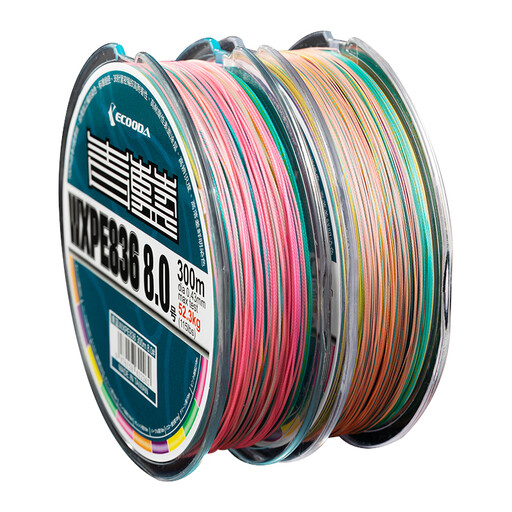
Why This Fits Their Persona: A cyan blue PE fishing line gives beginners a visible main-line colour for following lure movement while they learn casting, retrieval and line control on UK waters.
The model reference is clearly identified, making it easier to compare the correct WXPE836 variant rather than relying on a generic colour description.
PE braided construction; cyan blue colour supports above-water line tracking.
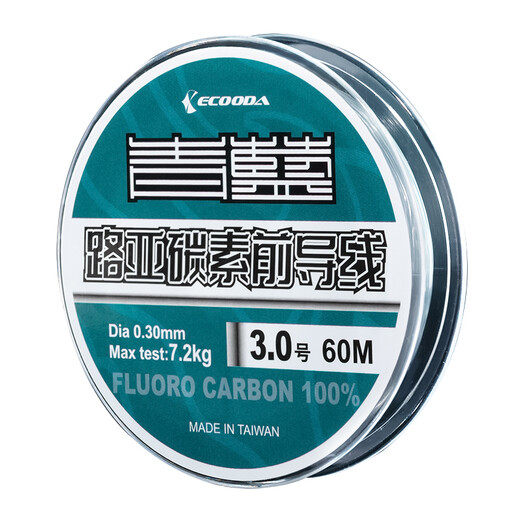
Why This Fits Their Persona: Anglers comparing a dedicated lure line may prefer to assess fluorocarbon handling, colour and diameter for a more controlled terminal setup.
It encourages a material-led choice: verify diameter, length and breaking strain instead of assuming a premium-sounding title guarantees suitability.
Fluorocarbon lure-fishing format; cyan blue finish shown in the product listing.
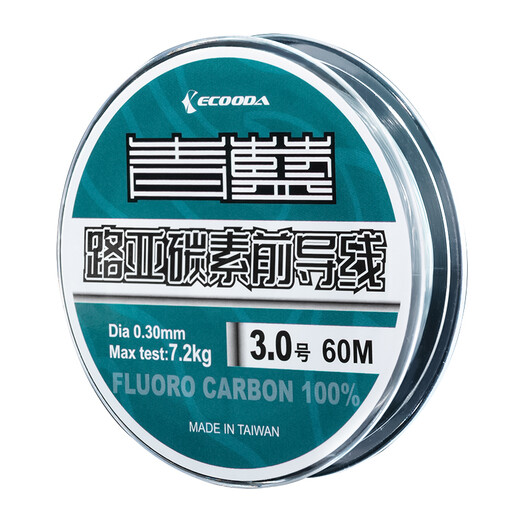
Why This Fits Their Persona: Anglers regularly fishing around cover can compare a fluorocarbon option described as wear-resistant, while still checking the line after contact with abrasive surfaces.
The wear-resistance description is treated as a feature to compare, not a guarantee against cuts, abrasion or knot failure.
Blue-green fluorocarbon construction; product listing identifies wear resistance as a feature.
We have compiled a complete, real-time list of products that fully satisfy these strict selection criteria and UK safety regulations.
It can be used, but colour alone does not determine how visible the line is underwater. In clear conditions, many anglers pair coloured braid with an appropriate leader and check the connection regularly.
There is no fixed lifespan. Frequency of use, ultraviolet exposure, saltwater, abrasion, knot stress and storage conditions all affect service life. Replace line when it becomes rough, faded, flattened or repeatedly loses strength. Rinse saltwater-used tackle with fresh water and allow it to dry fully.
Some fluorocarbon lines can be used on spinning reels, but stiffness and line memory may affect casting and line management. Check the product’s diameter and intended use, then load a modest amount first if you are unsure. For many lure setups, anglers use PE braid as the main line and fluorocarbon as a leader, provided the connection and strength are appropriate.