
24/7 Customer Support

Free returns

Same-day & Next-day Delivery

Quality Guaranteed

Unlock Your Welcome Offers: FREE Delivery | Up to 80% OFF | Free 30-day JoyPlus trial
Download the APP
Choosing a specialised lure rod can be surprisingly difficult. Product listings often use terms such as “versatile”, “carbon” or “durable” without showing the measurements that determine whether a rod will actually suit your fishing style. For UK anglers, the difference between a useful rubber jig rod and an expensive mismatch may come down to length, casting range, action and transport practicality.
The ECOODA EETB rubber jig fishing rod is listed for rubber jig, Tai Rabbit and Tenya-style fishing. It may also appeal to anglers looking for a lure fishing rod for bass, trout and carp. However, the name alone is not enough to confirm suitability for a particular venue or technique. Use the checks below before ordering.
“Tai Rabbit” and “Tenya” describe lure-fishing approaches, but they do not tell you the rod’s casting weight, action or line rating. A rod designed for lighter freshwater work may feel underpowered with heavier shore lures, while a heavier model can be awkward when presenting small baits or jigs.
Always check the exact model information on the product page and packaging. If length, lure weight or line rating is not clearly stated, contact the seller before buying rather than guessing.
A carbon blank can offer a useful balance between weight and responsiveness, but carbon construction does not make a rod immune to impact damage. Knocks against rocks, overloaded casts and careless transport can still cause cracks or weakened sections.
The ECOODA listings describe durable materials, but buyers should still inspect the blank, ferrules, handle and guide alignment when the rod arrives. A protective rod tube or sleeve is particularly useful for journeys to UK rivers, reservoirs and the coast.
Terms such as Fuji SIC guides and O-ring fishing rod can indicate attention to the guide system, but the practical value depends on the entire rod. Check whether the handle feels comfortable, whether the reel seat matches your reel and whether the guides are correctly aligned.
A guide name should support your decision, not replace basic checks on specifications, warranty information and compatibility with your existing tackle.
Length affects casting distance, lure control and handling around bankside vegetation. A longer rod can help keep line clear of marginal plants and may assist with shore casting, while a shorter rod is easier to use from a small boat, tight riverbank or confined canal swim.
For a UK freshwater angler targeting trout or carp, portability can be just as important as reach. Confirm the number of sections and the packed length before ordering, particularly if you travel by public transport or store tackle in a compact car.
These are the most important practical figures for a rubber jig rod:
A fishing rod for bass, trout and carp may be versatile, but no single rod will necessarily cover every lure size and venue equally well. Bass fishing from an exposed shoreline can require different power and casting capacity from light trout work on a small river.
If you are considering the ECOODA carbon lure rod listed with Fuji SIC guides, review the exact listing details carefully. Guide quality matters because guides influence line flow and help reduce friction during casting. Also check the guide count, ring size and whether the rod is intended for braided line, monofilament or both.
Inspect the blank finish for visible damage and check that the reel seat holds your reel securely. A comfortable grip is valuable during long lure sessions, especially when repeatedly working a rubber jig or Tenya-style rig.
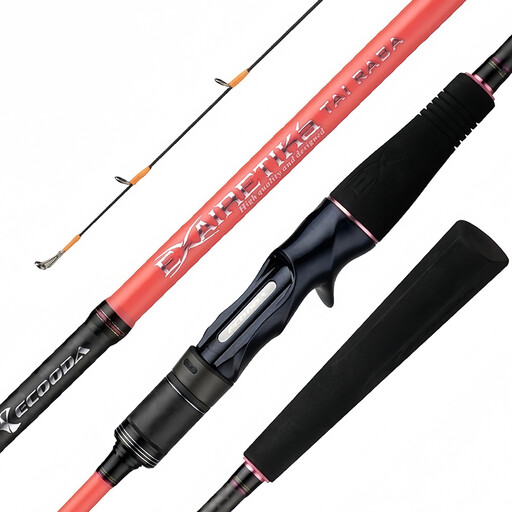
Why This Fits Their Persona: A straightforward option for anglers starting to explore rubber jig, Tai Rabbit or Tenya-style fishing without immediately buying several specialised rods. It can be considered for freshwater or suitable shore sessions once the specifications match the intended lure weight.
Its technique-specific product title makes the intended uses clear, but buyers should still verify length, action and lure range before purchase.
Listed for three lure techniques; available with UK responsible-person information supplied on the product listing.
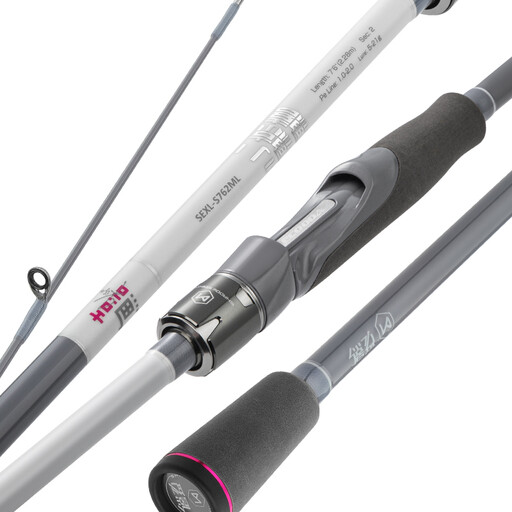
Why This Fits Their Persona: This listing is aimed at anglers who want a carbon lure rod with named Fuji SIC guides and broad species positioning for bass, trout and carp. It may suit users comparing component details rather than choosing solely by price.
The listing identifies the blank type and guide specification, giving you concrete features to check instead of relying on vague quality wording.
Carbon construction is stated; Fuji SIC guides and O-ring design are included in the product name.
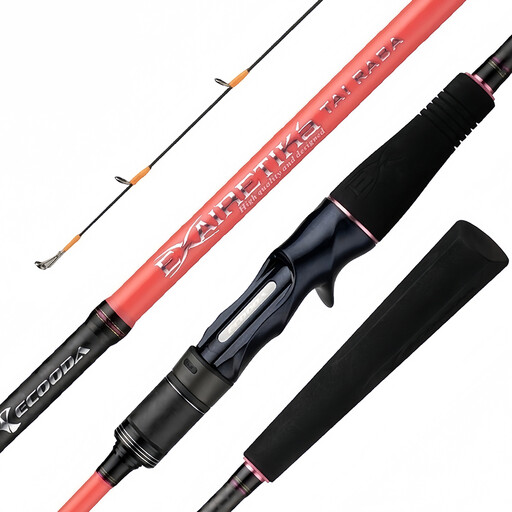
Why This Fits Their Persona: Anglers regularly switching between specialised lure presentations may value a rod listed for rubber jig, Tai Rabbit and Tenya game use. Confirm the exact variant before ordering if you require a particular power or length.
It is positioned around defined techniques rather than an unsupported claim that one rod suits every fish and venue.
Designed and named for rubber jig, Tai Rabbit and Tenya-style applications; durable materials are referenced in the listing information.
Match the reel size and line to the rod’s stated range rather than selecting a reel by appearance. Check every section is fully seated before casting, and avoid high-sticking, where the rod tip is raised sharply under load. This is a common cause of unnecessary blank stress.
Rinse suitable saltwater tackle with fresh water after shore sessions, then allow it to dry fully before storage. For freshwater use, wipe away mud and grit from the ferrules. Store the rod unassembled or in a protective case, away from direct heat and damp areas.
Before each trip, inspect the guides for cracks or sharp edges. Damaged guide inserts can catch or damage fishing line. Also check the reel seat, handle and joints for movement.
We have compiled a complete, real-time list of products that fully satisfy these strict selection criteria and UK safety regulations.
It may be suitable where its length, action, line rating and lure-weight range match your trout setup. The product title indicates rubber jig, Tai Rabbit and Tenya-style use, but buyers should confirm the precise specifications before using it for small-spoon or light-lure fishing.
A versatile lure rod can cover more than one species, but bass, trout and carp fishing often involve different lure weights, line strengths and environments. Check the rod’s stated ratings and avoid using it outside those limits. A rod selected for light trout work may not be appropriate for heavy bass or carp applications.
Use a rigid or padded rod case, keep sections separated and avoid placing reels, weights or hooks directly against the blank. Rinse saltwater equipment after use and inspect joints and guides before the next session. These simple steps help reduce wear without relying solely on a product’s “durable” description.