
24/7 Customer Support

Free returns

Same-day & Next-day Delivery

Quality Guaranteed

Unlock Your Welcome Offers: FREE Delivery | Up to 80% OFF | Free 30-day JoyPlus trial
Download the APP
Choosing ECOODA fishing line is not simply a matter of selecting the most colourful spool or the highest stated breaking strain. UK anglers need to match the line to the venue, target species, lure weight, leader setup and likely snags. A line that works well for a light canal lure may be unsuitable around rocky shore marks or weed-filled lakes.
This guide explains the practical details to check before buying, including PE braid, fluorocarbon, cyan blue fishing line and wear-resistant fishing line options.
A cyan blue fishing line can make the line easier for the angler to follow above the water, particularly when watching for movement or managing slack. However, colour alone does not confirm how visible the line will be below the surface. Water clarity, light conditions, depth and the presence of a fluorocarbon leader can all affect presentation.
Treat colour as a handling and visibility preference, rather than proof that the line is difficult for fish to detect.
Breaking strain is only one part of the specification. Two lines with similar stated strength may have different diameters, spool lengths and handling characteristics. Diameter affects how much line fits on a reel, while a heavier line may alter lure movement and casting behaviour.
Before purchasing, check the product listing for the line diameter, length and stated breaking strain. If any of these details are missing, avoid making assumptions based solely on the product title.
A wear-resistant fishing line can still be damaged by rocks, mussels, submerged branches, concrete edges and repeated knot friction. Abrasion resistance is not the same as immunity from cuts or weakening.
Inspect the first section of line regularly, especially after fishing near cover or saltwater structure. Replace visibly rough, flattened or cloudy sections rather than waiting for a failure during a cast or fight.
The choice between ECOODA PE fishing line and fluorocarbon depends on how you fish.
PE braid is commonly selected for lure fishing because it offers a thin profile relative to its stated strength and can provide direct contact with the lure. It is suitable for anglers who want to manage line efficiently when casting or fishing at distance.
A cyan blue PE option may also help you see line movement against darker water or changing skies. It is still important to check whether a leader is recommended for your intended venue, as braid can be vulnerable to sharp structure and may be more noticeable in clear water.
An ECOODA fluorocarbon fishing line is a monofilament-style option made from fluorocarbon material. It is often considered for leader work, lure connections and situations where abrasion around cover is a concern. The blue-green appearance may appeal to anglers who want a coloured line rather than clear traditional fluorocarbon.
Do not select fluorocarbon purely because it sounds more discreet. Check its diameter, stiffness, knot compatibility and spool length. A thicker or stiffer line can affect small lure action and may require careful knot tying.
Confirm that the line diameter suits your reel and spool. Excessively thick line can reduce capacity, while very thin line may be less forgiving around snags. For a braided fishing line for lure fishing, also check that the reel and rod are suitable for the intended line range.
Use the stated breaking strain as a guide, not a guarantee of performance in every situation. Knots, abrasion, sudden force and poor drag settings can reduce practical strength. Choose a suitable margin for the fish, lure weight and venue rather than selecting the lowest possible rating.
For UK freshwater fishing, consider weed, stones, bridge structures and submerged timber. For saltwater use, account for rocks, piers, barnacles and repeated exposure to salt. A high-quality lure fishing line should be selected according to these conditions, with regular rinsing and inspection after use.
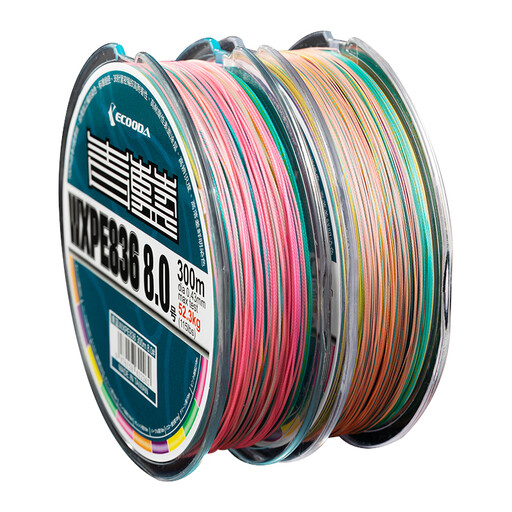
Why This Fits Their Persona: A practical cyan blue PE option for recreational anglers building a lure setup for canals, lakes or occasional coastal trips in the UK.
Its PE construction and stated cyan blue colour are clearly identified, so buyers can compare it with fluorocarbon rather than confusing the two materials.
PE line format; cyan blue colour may make line tracking easier for the angler.
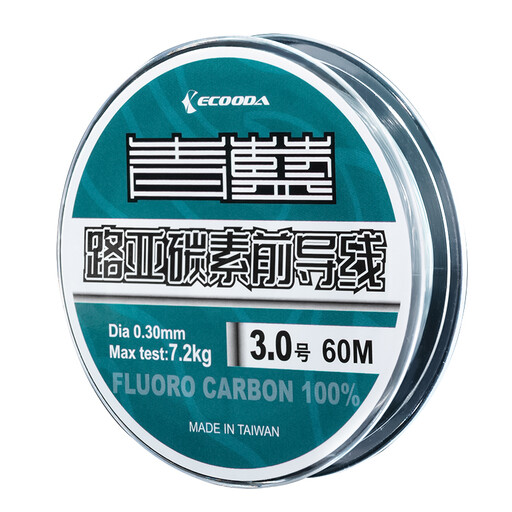
Why This Fits Their Persona: Suitable for anglers who specifically want a blue-green fluorocarbon lure line for controlled lure presentation and leader applications.
The product type is identified as fluorocarbon, helping buyers avoid assuming that every coloured lure line is braided PE.
Fluorocarbon material; blue-green colour; intended for lure fishing.
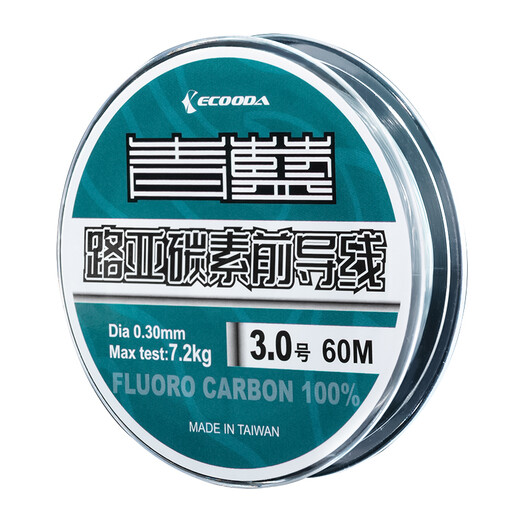
Why This Fits Their Persona: A considered option for frequent lure anglers fishing around structure where regular line inspection and abrasion awareness are important.
The listing specifically identifies wear resistance, while the guide still recommends checking the line after contact with rocks, weed or snags.
Fluorocarbon lure line; stated wear-resistant design; blue-green colour.
The ECOODA cyan blue PE products listed are identified as PE fishing lines, making them relevant to anglers comparing braided fishing line for lure fishing. Check the individual listing for diameter, length and breaking strain before pairing the line with your tackle.
It can be useful when you want to follow the line above the surface, but colour does not determine underwater visibility in every condition. In clear water, many anglers compare a coloured PE main line with a suitable fluorocarbon leader. The correct choice depends on clarity, depth, light and the target species.
There is no fixed lifespan. Usage frequency, ultraviolet exposure, storage, knot quality, saltwater contact and abrasion all affect condition. Occasional freshwater line may remain serviceable for longer than frequently used coastal line, but inspection should determine whether replacement is sensible.