
24/7 Customer Support

Free returns

Same-day & Next-day Delivery

Quality Guaranteed

Unlock Your Welcome Offers: FREE Delivery | Up to 80% OFF | Free 30-day JoyPlus trial
Download the APP
For UK sea anglers, boat fishermen and freshwater lure users, choosing among ECOODA fishing lures can be more complicated than comparing colour and price. A lure designed for deep-water trolling will behave very differently from a long-cast sinking pencil or an Inchiku jig.
The wrong choice may lead to poor casting distance, a lure running at the wrong depth or hooks that are unsuitable for the target species. Marketing descriptions can also make similar-looking products appear interchangeable when their weights, diving actions and intended techniques differ.
A heavier lure is not automatically more suitable for offshore fishing. A 200g Inchiku jig may be useful where depth, current and vertical control matter, while a 60g vibrating jig lure may be more practical for casting or shallower water. Match the weight to your rod rating, line setup, current and intended retrieve.
Trolling lures with similar fish-shaped bodies can have very different diving characteristics. A medium-diving minnow and a deep-diving minnow lure are not interchangeable. Check the stated model and depth information rather than relying on appearance alone.
Six available colours can offer useful options for clear water, low light or changing conditions, but colour cannot compensate for an unsuitable swimming action or depth. Start with the technique and water column you need to cover, then select a finish that suits visibility.
Choose according to how you fish:
Weight affects casting distance, sinking rate and how well a lure holds its position in current. The available ECOODA fishing lures cover several common sizes:
Always check your rod, reel and line specifications before using a heavier lure. The lure weight should sit within the equipment manufacturer’s recommended range.
For saltwater fishing lure purchases, inspect the hook specification, body material and care instructions. The ECOODA 165DD trolling model is listed with a hard plastic body and SIKE 3509 5X #2 hooks. Its stated specifications include a 64g weight, 165mm body length, 130mm dive length and a maximum depth of 10m.
After saltwater use, rinse the lure with fresh water, dry it thoroughly and check hooks for rust, dullness or damage. Store it in a dry tackle box away from direct sunlight. Sharp hooks should be handled carefully during casting, storage and rigging.
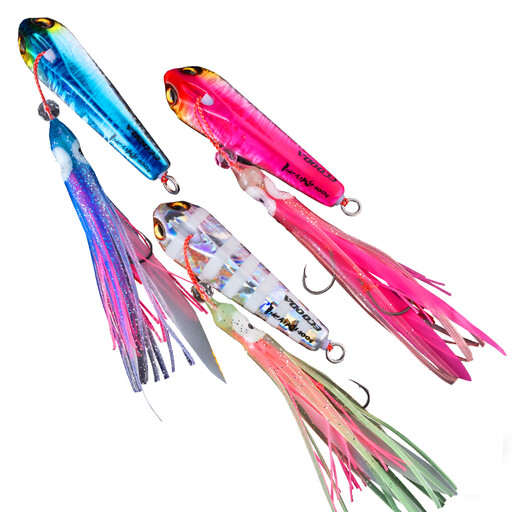
Why This Fits Their Persona: The 60g format offers a straightforward starting point for anglers learning lure casting, retrieving and colour selection without immediately moving to heavier offshore weights.
Its stated weight is clear, helping buyers compare tackle compatibility instead of choosing by colour or appearance alone.
60g weight; six colour options; vibrating jig format for an active retrieve.
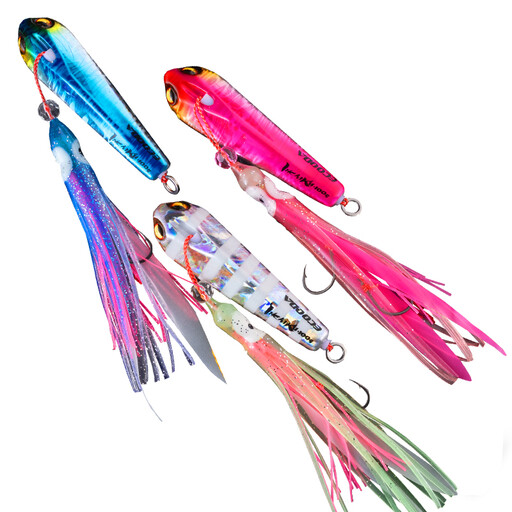
Why This Fits Their Persona: Boat anglers who prefer a defined 100g Inchiku jig lure can use its stated weight as a clear reference when planning vertical presentations.
The product name identifies both the Inchiku format and 100g weight, reducing uncertainty about its intended setup.
100g weight; six colour options; purpose-specific Inchiku jig design.
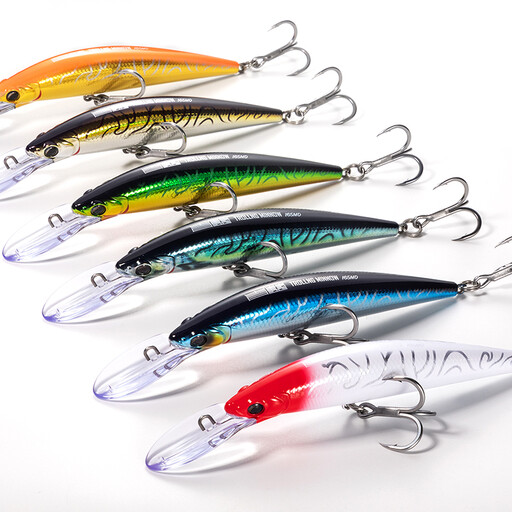
Why This Fits Their Persona: Offshore and deep-water boat anglers can compare its published diving information with their planned trolling route and target depth.
The listing specifies a deep-dive model, maximum depth of up to 10m and hook details rather than relying only on a visual baitfish claim.
Hard plastic body; 64g weight; SIKE 3509 5X #2 hooks; stated depth of up to 10m.
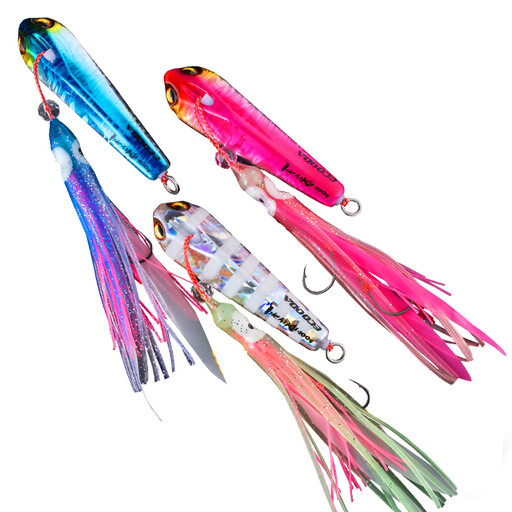
Why This Fits Their Persona: Anglers fishing beaches, piers or open shorelines may value a clearly labelled long-cast sinking pencil format for working different parts of the water column.
The product name identifies both its long-cast and sinking characteristics, so buyers can distinguish it from a floating minnow lure.
80g weight; sinking pencil format; six colour options.
We have compiled a complete, real-time list of products that fully satisfy these strict selection criteria and UK safety regulations.
Before fishing, confirm the lure weight is suitable for your rod and that the line knot is secure. For the 165DD model, the product guidance recommends tying directly to the front eyelet with a secure knot such as an improved clinch or Palomar knot.
Rinse saltwater fishing lure bodies and hooks with fresh water after each trip. Dry them fully before storage, and separate wet tackle to reduce corrosion. Inspect split rings, eyelets, hooks and the lure body before the next session. Replace damaged components rather than assuming a lure will perform normally after impact or prolonged saltwater exposure.
Several listed formats are intended for marine techniques, including Inchiku jigging and offshore trolling. However, suitability depends on the specific model, tackle and target species. Rinse every lure after saltwater use and check hooks regularly for corrosion or dullness.
Choose based on rod rating, depth and current. Lighter 60g or 80g options may be easier to cast, while 100g to 200g Inchiku jigs provide more weight for vertical work in deeper water or stronger flow. Always follow the rod and reel manufacturer’s specifications.
Lifespan depends on impacts, hook wear, storage and exposure to saltwater. Rinsing, drying and checking the lure after each use can help identify problems early, but hooks and terminal hardware should be replaced when visibly damaged, rusty or blunt.