
24/7 Customer Support

Free returns

Same-day & Next-day Delivery

Quality Guaranteed

Unlock Your Welcome Offers: FREE Delivery | Up to 80% OFF | Free 30-day JoyPlus trial
Download the APP
Choosing ECOODA fishing lures involves more than selecting an attractive colour. Sea anglers, boat anglers and lure-fishing newcomers need to match lure weight, action, diving depth and construction to the fishing method. A lure that performs well while casting from a shore mark may be unsuitable for deep-water boat fishing or trolling.
This guide covers the main buying pitfalls and compares practical options, including an ECOODA jig lure, sinking pencil lure, vibration jig and 165DD minnow lure.
A heavier lure is not automatically suitable for every deep-water situation. Weight affects casting distance, sink rate and how the lure behaves in current, but depth also depends on line, boat speed, retrieve style and lure design.
For example, an 80 g fishing lure may be easier to cast and retrieve than a 150 g model, while a 150 g fishing lure may be more suitable for vertical boat work where reaching the required depth quickly matters.
Six available colours provide useful flexibility, but colour alone does not guarantee more bites. Water clarity, light levels, depth and local baitfish should influence your selection. Silver or natural finishes can be useful in brighter conditions, while higher-contrast colours may be easier to track in cloudy water or deeper areas.
A lure can have a convincing body shape yet still be inconvenient if its hooks corrode quickly or its diving bill is damaged. Saltwater use requires rinsing and drying after each trip. Check replacement hook availability and inspect sharp points before every cast or troll.
The ECOODA 165DD information specifies SIKE 3509 5X #2 hooks, a hard plastic body and a deep-diving structure. These are practical details to compare rather than relying only on promotional descriptions.
Different lure styles create different presentations:
Choose the lure type according to how you fish. A vertical offshore setup has different requirements from casting around a UK harbour, estuary or rocky coastline.
The most important figures are often the lure weight and your rod’s casting or jigging rating. Using a 60 g fishing lure on tackle designed for much heavier weights may reduce control, while an oversized lure can make casting uncomfortable and place unnecessary strain on the equipment.
The ECOODA range includes 60 g, 80 g, 100 g and 150 g options. Match the lure to:
An 80 g lure can offer a middle ground for longer casts, whereas a 150 g model is more relevant when weight is needed to maintain contact in deeper water.
For trolling, look for a clearly stated dive type and depth rather than assuming a long body will swim deeply. The ECOODA 165DD minnow lure is listed with a maximum depth of up to 10 m, a 130 mm dive length, a 165 mm body length and a 64 g weight. Its 37 mm bill width and 66 mm bill length are also specified.
The hard plastic construction is relevant for anglers seeking a rigid hard plastic fishing lure for repeated casting or trolling. Nevertheless, inspect the body, eyelet and bill after contact with rocks or other underwater obstacles. No lure is immune to damage.
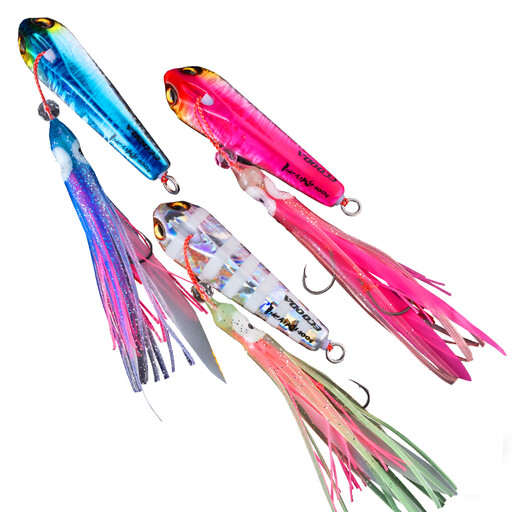
Why This Fits Their Persona: The 60 g format offers a manageable starting point for anglers building a mixed saltwater or freshwater lure box and learning a vibrating retrieve.
Its stated weight is clear, helping buyers compare tackle compatibility instead of choosing by appearance alone. Six colours also allow condition-based selection.
60 g weight; vibration-jig format; six colour options.
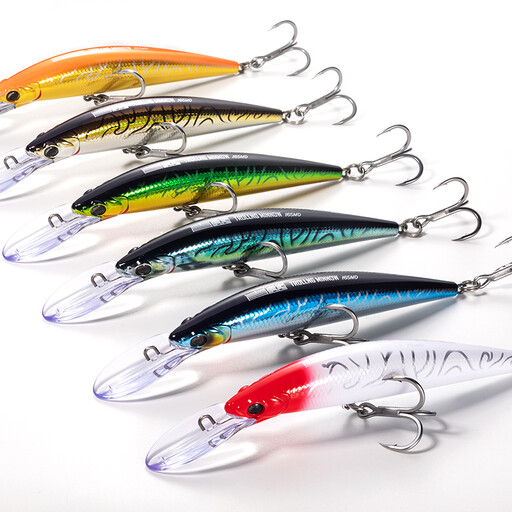
Why This Fits Their Persona: Boat anglers who want stated dimensions and hardware details can compare this model against their trolling plan before purchase.
The listing gives a stated depth of up to 10 m, body measurements, weight and hook specification, making the selection more transparent.
Hard plastic body; deep-diving structure; SIKE 3509 5X #2 hooks.
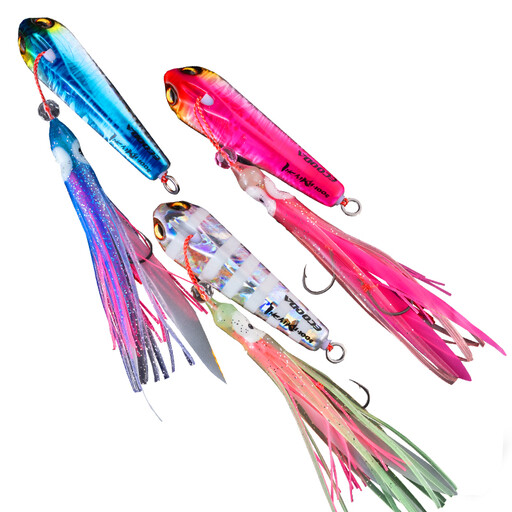
Why This Fits Their Persona: Offshore anglers working deeper water or stronger current may prefer the added weight of an Inchiku jig format for vertical presentations.
The 150 g weight is clearly identified, so buyers can check it against their rod, line and depth requirements before ordering.
150 g Inchiku design; six colour options; intended for heavier vertical lure work.
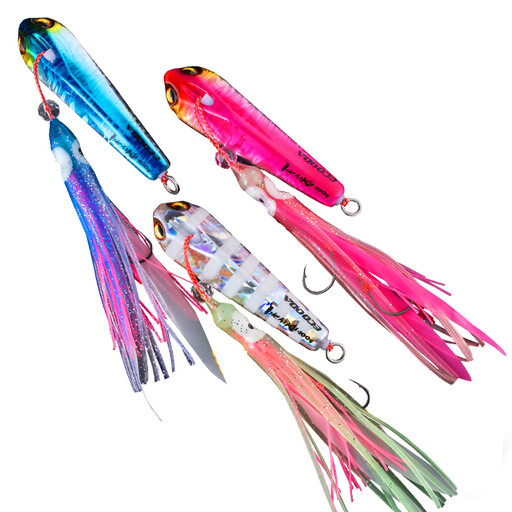
Why This Fits Their Persona: Anglers fishing beaches, piers and rocky marks can use the sinking format to vary retrieve depth after a cast.
The product name states both the long-cast and sinking format, helping buyers avoid confusing a surface lure with a lure that can be paused and counted down.
80 g weight; sinking pencil profile; six colour options.
We have compiled a complete, real-time list of products that fully satisfy these strict selection criteria and UK safety regulations.
Several designs are marketed for sea and offshore use, while the 165DD model information specifically describes saltwater or freshwater trolling. Rinse every lure after saltwater use and inspect metal components regularly. Always match the lure and hooks to the species, tackle and conditions.
Choose according to your rod rating, casting distance, current and target depth. A 60 g fishing lure may suit lighter tackle and active casting; an 80 g fishing lure can support longer casts and sinking presentations; a 150 g fishing lure is more relevant to heavier vertical jigging. Check your equipment before purchase.
Lifespan depends on impacts, hook corrosion, storage and frequency of use. A hard plastic body may remain usable after repeated trips, but hooks, split rings, eyelets and diving bills still require inspection. Replace damaged or blunt components before fishing.