
24/7 Customer Support

Free returns

Same-day & Next-day Delivery

Quality Guaranteed

Unlock Your Welcome Offers: FREE Delivery | Up to 80% OFF | Free 30-day JoyPlus trial
Download the APP
Choosing among ECOODA fishing reels can be difficult when product names highlight phrases such as “big power”, “long-casting” or “lightweight” without explaining how the reel will suit your rod, line and target species. For UK anglers fishing rivers, lakes and streams, the right choice depends less on promotional wording and more on compatibility, handling and maintenance.
This guide compares the main ECOODA reel formats available through Joybuy, including an ECOODA casting reel, spinning reel, spincast model and heavier long-casting option. It also explains common buying pitfalls so you can select a suitable freshwater fishing reel for lure fishing and larger fish.
A reel described as powerful may still be unsuitable if its drag range, line capacity, gear ratio and handle configuration do not match your setup. “Big fish” wording is not a substitute for checking the manufacturer’s actual specifications.
Before ordering, confirm:
A lightweight casting reel may reduce fatigue during repeated lure fishing, but a lower weight can sometimes mean a smaller frame or spool. That may affect line capacity and balance on a longer or heavier rod.
For short sessions on small rivers, reduced weight can be useful. For extended casting, strong current or larger fish, compare the reel’s construction and capacity rather than selecting by weight alone.
Casting, spinning and spincast reels are not interchangeable in use.
Buying the wrong format can result in poor balance, unsuitable line routing or an incompatible rod connection.
The drag system controls how much resistance the fish feels when it pulls line. A higher stated drag figure does not automatically indicate smoother operation, so look for both the maximum drag specification and adjustment method.
For smaller river species, an excessive drag capacity may add unnecessary bulk. If you are choosing a heavy-duty fishing reel for larger freshwater fish, prioritise a suitable drag range, strong line capacity and a secure handle over marketing labels.
A long-casting fishing reel needs more than a large-looking spool. Check the listed line capacity, spool design and recommended line. Braided line, monofilament and fluorocarbon have different diameters and handling characteristics.
For a river and lake fishing reel, match the capacity to:
A spool that is too small may limit distance and reserve line. One that is too large can make a light lure setup feel unbalanced.
Bearings can contribute to smooth rotation, but a bearing count alone does not describe overall reel quality. Also check the gear ratio, retrieve rate and whether the product instructions explain cleaning and lubrication.
After fishing in wet or silty conditions, wipe the reel dry and follow the care guidance. Avoid immersing a freshwater fishing reel unless the manufacturer specifically permits it. Regular inspection of the line roller, spool edge, handle and drag knob can help identify wear before the next session.
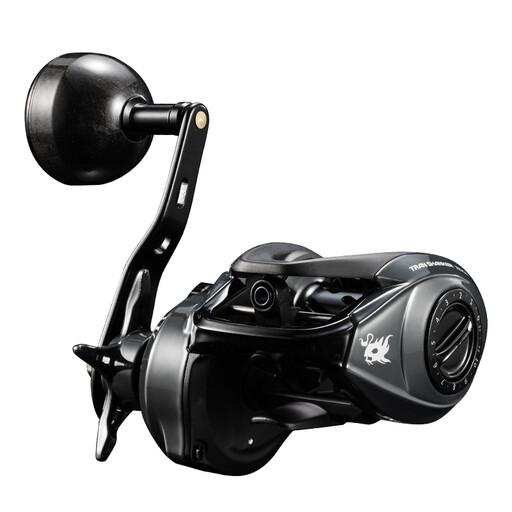
Why This Fits Their Persona: Its stated lightweight casting format suits newcomers building a lure-fishing setup for regular river or lake sessions where easy handling is a priority.
It is clearly identified as a casting reel and lightweight model, helping buyers distinguish it from spinning and spincast formats before checking rod compatibility.
Lightweight format; designed for casting-reel setups. Confirm capacity and retrieve side before purchase.
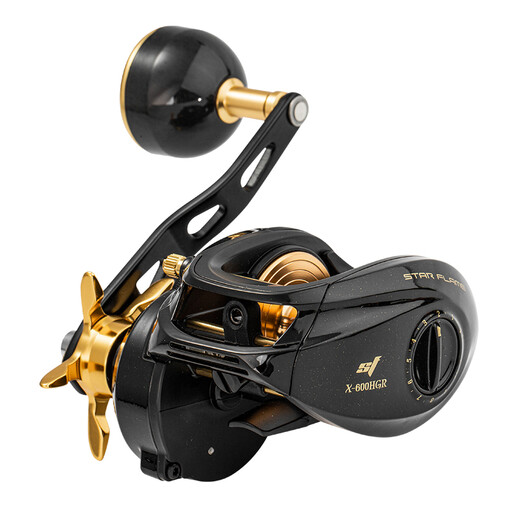
Why This Fits Their Persona: The X600 casting format is worth considering when you want a reel positioned towards higher-capacity or stronger lure-fishing applications, subject to the full specification sheet.
The “big power” description is treated as a prompt to verify drag, line capacity and gear details, rather than as a guarantee of fish-fighting performance.
X600 model designation; casting-reel construction. Check lure range, retrieve side and drag specification.
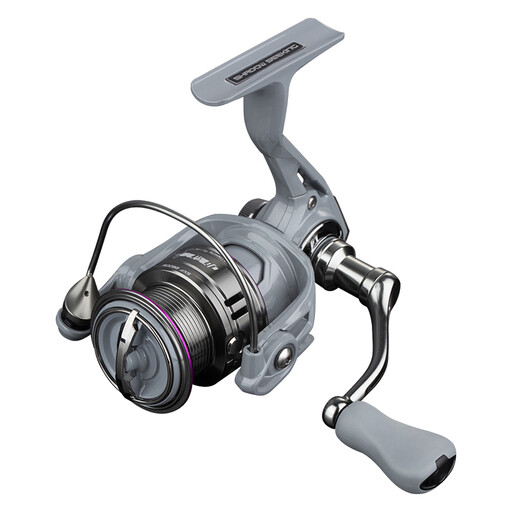
Why This Fits Their Persona: This spinning-reel option is labelled for river, lake and stream fishing, making it a practical format to investigate for varied freshwater lure sessions.
Its stated spinning format reduces the risk of ordering a baitcasting reel for a spinning rod. Still confirm line capacity and retrieve direction.
Spinning-reel format; named for river, lake and stream use.
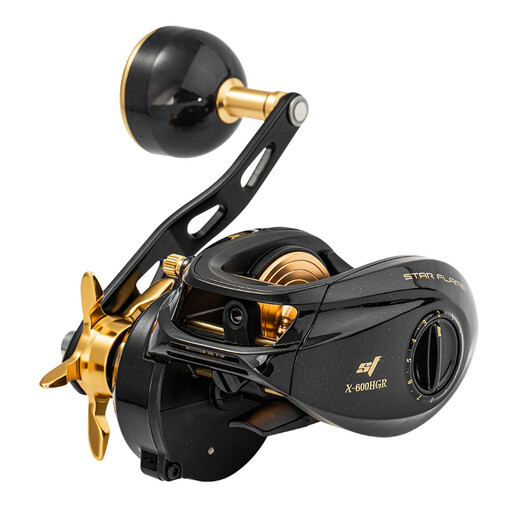
Why This Fits Their Persona: Its product title directly targets long-casting and heavier freshwater use, making it a candidate for anglers who fish larger waters or pursue bigger fish.
The long-casting and heavy-duty labels are paired with a checklist: verify capacity, drag, rod compatibility and total reel weight before ordering.
Long-casting designation; heavy-duty big-fish positioning. Confirm technical figures for your line and target species.
We have compiled a complete, real-time list of products that fully satisfy these strict selection criteria and UK safety regulations.
It can be, provided your rod, line and lure are compatible. Casting reels usually require more attention to spool control than spinning reels. Beginners should check the retrieve side, braking or spool-control information and recommended lure range before buying.
Lifespan depends on frequency of use, load, storage and maintenance. Rinse or wipe away dirt according to the care instructions, dry the reel thoroughly and avoid storing it while wet. Inspect the drag, handle, spool and line-contact points regularly.
The listed ECOODA models include casting, spinning and spincast formats described for lure, river, lake or stream use. Suitability depends on local conditions and the target fish. Check the reel’s line capacity, drag specification and rod compatibility, and follow the rules of the fishery you visit.