
24/7 Customer Support

Free returns

Same-day & Next-day Delivery

Quality Guaranteed

Unlock Your Welcome Offers: FREE Delivery | Up to 80% OFF | Free 30-day JoyPlus trial
Download the APP
Choosing among ECOODA fishing reels can look straightforward until the product titles start to blur together. Casting reels, spinning reels, long-casting models and big-power versions suit different rods, techniques and fish sizes. Selecting by appearance alone can leave you with a reel that is awkward to control, poorly matched to your rod or unsuitable for the line you plan to use.
For UK anglers fishing rivers, lakes and streams, three buying traps deserve particular attention:
A casting reel sits above the rod and is commonly used with baitcasting rods. It can provide direct thumb control over the spool, which is useful for lure placement and controlled casts. However, it generally requires more practice to avoid spool overruns, sometimes called backlash.
A spinning reel hangs beneath the rod and uses a bail arm to release the line. This style is often more approachable for general freshwater fishing, float work and lighter lure setups. It may also be convenient when fishing changing conditions from the bank.
Before buying, match the reel to the rod rather than selecting on the reel name alone. Check whether your rod is designed for a baitcaster or spinning reel, and confirm the product listing’s handedness and mounting details.
For river and lake fishing, line capacity should reflect the venue, casting range and target species. A reel with insufficient capacity may limit your working distance or leave little reserve if a fish makes a long run. An oversized spool can add unnecessary weight to a light setup.
Drag capacity matters when a fish pulls against the line. Look for a clearly stated drag specification where available, and consider whether it suits your rod, line strength and intended quarry. Avoid assuming that every “big power” reel automatically has the exact drag performance you require.
For larger fish, also check the recommended line range and spool dimensions. These details are more useful than a general marketing label when comparing a heavy-duty fishing reel with a lighter model.
A lightweight casting reel can reduce fatigue during repeated lure casting, but low weight should not be the only priority. The reel needs to balance the rod and tolerate the line and lure combination you intend to use.
For UK freshwater venues, look for practical information about corrosion-resistant materials, cleaning instructions and storage. Freshwater is less corrosive than seawater, but moisture, mud and damp storage can still affect bearings, the bail mechanism and spool components. Rinse away dirt, dry the reel before storage and follow the manufacturer’s lubrication guidance.
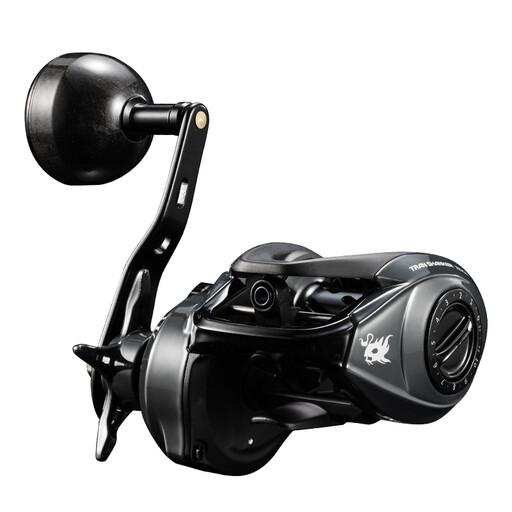
Why This Fits Their Persona: Its stated lightweight design may suit newcomers building a baitcasting setup for occasional lure sessions on UK rivers and lakes, where reduced bulk can make repeated practice more comfortable.
The product name identifies it as a lightweight casting reel, helping buyers distinguish it from larger big-power models. Still check the full listing for capacity and drag details before purchase.
Named lightweight format; casting-reel layout for anglers learning baitcaster control.
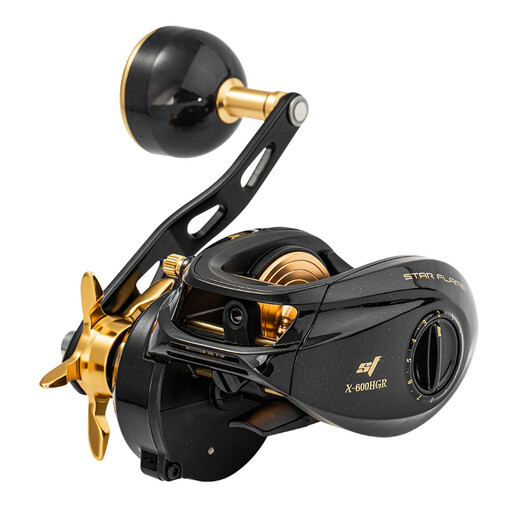
Why This Fits Their Persona: Anglers who prioritise a longer-casting format and a heavy-duty big-fish positioning may want to investigate this X600 option for larger venues and stronger tackle combinations.
Its title makes the intended long-casting and heavy-duty use clear, but buyers should verify actual capacity, drag and weight instead of relying on the label alone.
Long-casting format named in the listing; heavy-duty big-fish positioning for anglers comparing stronger tackle.
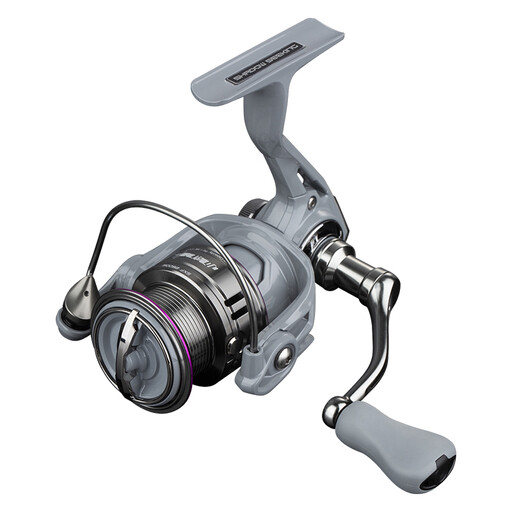
Why This Fits Their Persona: This spinning-reel option is positioned for river, lake and stream fishing, making it relevant to UK anglers who want a familiar setup for varied freshwater sessions.
The named spinning format helps prevent a mismatch with a casting rod. Confirm the required line size and reel specifications for your target species.
Spinning-reel design; listing specifically references river, lake and stream fishing.
We have compiled a complete, real-time list of products that fully satisfy these strict selection criteria and UK safety regulations.
Before your first session, check that the reel is securely mounted and that the line is loaded evenly. On a casting reel, begin with a conservative spool tension and brake setting, then practise with a suitable lure weight in an open area. On a spinning reel, check that the bail arm opens smoothly and that the line passes correctly through each rod guide.
After fishing:
Your reel’s usable lifespan depends on frequency of use, impact, maintenance, storage and exposure to dirt. A lower-priced reel can still be practical when used within its stated limits, while overloading any reel may accelerate wear.
They can be suitable for beginners who are prepared to practise spool control and tune the reel to the lure weight. Anglers wanting a simpler initial setup may prefer an ECOODA spinning reel, particularly for general river and lake fishing.
Both product titles indicate an X600 casting-reel format, but the Xingyan X600 is specifically described as a long-casting, heavy-duty big-fish version. Compare the individual listing details for weight, line capacity, drag and other specifications before choosing.