
24/7 Customer Support

Free returns

Same-day & Next-day Delivery

Quality Guaranteed

Unlock Your Welcome Offers: FREE Delivery | Up to 80% OFF | Free 30-day JoyPlus trial
Download the APP
Buying ECOODA fishing reels can seem straightforward until you compare casting styles, spool design, materials and intended fishing environments. A reel that feels suitable for a small stream may be poorly matched to surf conditions, while a heavy-duty model can add unnecessary weight to a light freshwater setup.
The practical approach is to match the reel to your fishing method first, then check the specifications that affect control, line management and maintenance.
A long-cast fishing reel may support greater casting potential, but distance also depends on the rod, line diameter, lure weight, spool fill and casting technique. Marketing language does not automatically confirm how far a reel will cast in your particular setup.
Before buying, check whether the reel is a spinning reel or baitcasting reel, review its line capacity and ensure the lure weight suits your rod. A reel designed for a larger spool may not be comfortable for short-range river fishing.
An ECOODA casting reel is generally intended for a baitcasting-style setup, where the spool rotates during the cast. This can provide direct control, but it usually requires more careful thumb control and brake adjustment.
An ECOODA spinning reel uses a fixed spool and bail arm. It is often easier to use with lighter lures and is a practical choice for general river, lake and coastal fishing. A spincast fishing reel offers another enclosed-style option, which may appeal to anglers who prioritise straightforward lure casting.
An aluminium fishing reel or metal-bodied model may offer a more solid feel, but no reel should be treated as maintenance-free. UK anglers fishing estuaries, piers or beaches should pay particular attention to salt and sand exposure.
After saltwater use, follow the product’s care instructions and rinse appropriately without forcing water into the mechanism. Dry the reel before storage and inspect the handle, spool, bail arm and line roller regularly. Even a heavy-duty fishing reel can suffer from corrosion or poor operation if salt deposits are left in place.
Use the fishing location as your starting point:
A spincast fishing reel can be useful when simple operation matters, but check that its line capacity and drag are suitable for the species and venue.
A lightweight fishing reel can reduce fatigue during repeated casting, but low weight should not be the only selection criterion. The reel must balance properly with your rod. An undersized reel may make a longer rod feel tip-heavy, while a large reel can make a light lure setup feel cumbersome.
Hold the reel against your intended rod, if possible, and check whether the handle position, grip and spool access feel comfortable. For lure anglers walking UK rivers or canals, reduced bulk can be particularly useful.
Check the product listing for line capacity, spool dimensions and any available brake or drag adjustments. These details affect casting control and how much line is available when a fish makes a run.
Baitcasting reels require particular attention to spool tension and braking. Spinning reels need suitable bail-arm and drag operation. If a listing does not clearly state a specification that matters to your setup, avoid guessing; confirm the details before purchase.
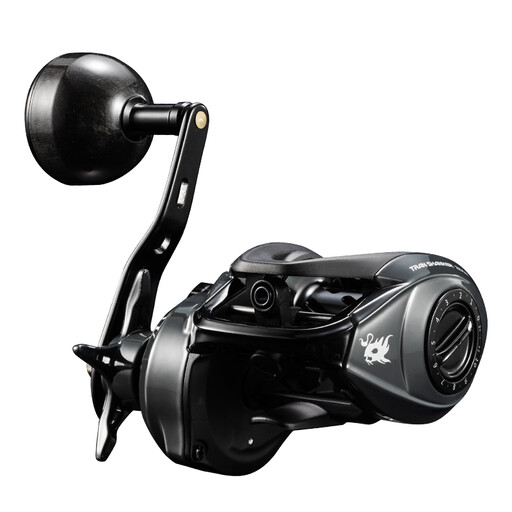
Why This Fits Their Persona: Its lightweight positioning makes it a practical starting point for anglers learning baitcasting techniques on freshwater venues, where carrying a compact setup can be helpful.
It presents a clear lightweight-use direction rather than suggesting that one reel suits every fishing environment. Check the listing for line and brake details before ordering.
Lightweight design; casting-reel format for anglers seeking direct lure control.
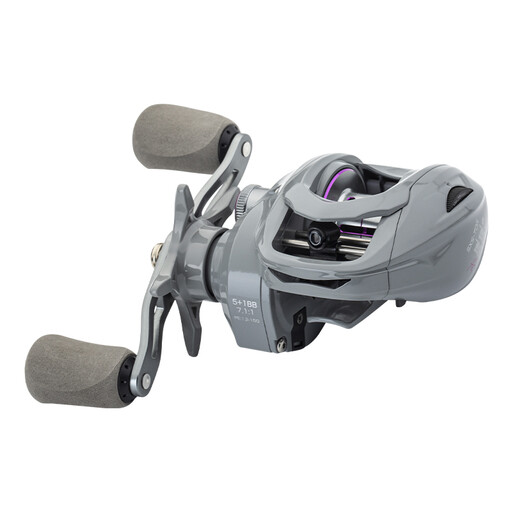
Why This Fits Their Persona: This model is positioned around a metal aluminium construction and long-cast spinning format, making it relevant to anglers comparing a more substantial reel for open-water casting.
The product format makes its intended use clearer than a generic “all-water” claim. Confirm spool capacity and care guidance if you plan to fish from the coast.
Metal aluminium construction; spinning format described for long-cast use.
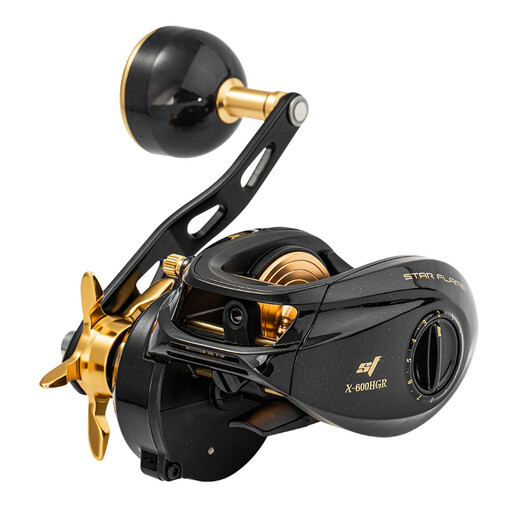
Why This Fits Their Persona: The named heavy-duty and big-fish positioning makes this a candidate for anglers targeting larger species or fishing venues where line capacity and robust handling are priorities.
Its stated use case is more specific than a vague durability promise. Match the reel’s confirmed drag and line capacity with your rod and target species.
Heavy-duty big-fish positioning; long-casting format indicated in the product name.
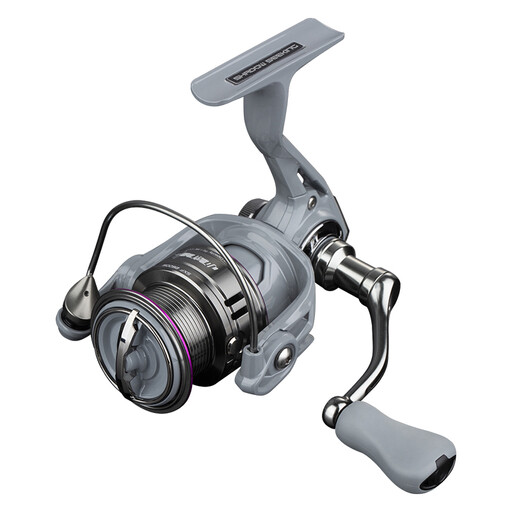
Why This Fits Their Persona: The product name specifically references stream and lake lure casting, making it relevant to anglers who mainly fish inland UK waters.
It avoids an overly broad surf or big-fish promise by identifying a freshwater lure-fishing use. Confirm compatibility with your chosen line and rod.
Spincast reel format; product name specifies stream and lake lure casting.
We have compiled a complete, real-time list of products that fully satisfy these strict selection criteria and UK safety regulations.
A spinning reel is usually the simpler starting point because the fixed spool and bail arm are straightforward to operate. A baitcasting reel offers more direct spool control but requires correct brake and tension settings to reduce line overruns. Your rod must also match the reel type.
Some ECOODA models are presented for metal, long-cast or surf-related use, but suitability should be confirmed from the individual listing. Saltwater fishing requires careful cleaning and drying after use. Do not assume that an aluminium fishing reel is automatically corrosion-proof.
Use the correct line and lure range, avoid overloading the spool and store the reel in a dry place. Wipe away moisture after fishing and follow the manufacturer’s maintenance instructions. For coastal use, rinse and inspect the reel after each session, paying attention to the line roller, handle and drag controls.