
24/7 Customer Support

Free returns

Same-day & Next-day Delivery

Quality Guaranteed

Unlock Your Welcome Offers: FREE Delivery | Up to 80% OFF | Free 30-day JoyPlus trial
Download the APP
Choosing among ECOODA fishing reels is not simply a matter of picking the most attractive design or the lowest listed price. A casting reel suited to lure work on a river may be a poor match for beach fishing, while a large reel designed for heavier lines can feel unnecessarily tiring during a short session.
The main challenge is matching the reel type, spool design and intended fishing environment to your tackle. This guide explains the key points to check before buying, then highlights suitable options for different UK angling profiles.
Product titles can include several familiar terms, including baitcasting reel, spincast fishing reel and spinning reel. These are not interchangeable.
Check the reel category and the rod you already own before ordering. A visually appealing reel is of limited use if its mounting arrangement does not match your rod.
A long-cast fishing reel may include a spool shape or line-management design intended to help line leave the spool smoothly. However, actual casting distance also depends on:
“Long cast” should therefore be treated as a design description rather than a guaranteed result. For beach or open-bank fishing, compare the spool format with your intended line and casting weights.
An aluminium fishing reel can appeal to buyers looking for a rigid-feeling construction, but material alone does not tell you whether the reel is suitable for a particular species or environment. A heavier metal-bodied design may be less comfortable for repeated lure casting, while a lighter reel can be preferable for walking banks or fishing small streams.
Also check the product listing for information about corrosion care, drag adjustment and recommended use. Saltwater or surf fishing places different demands on tackle from regular freshwater use.
Start by deciding whether you need an ECOODA casting reel, ECOODA spinning reel or an enclosed spincast design. Casting reels are generally considered for baitcasting rods, whereas fixed-spool spinning reels require a spinning rod with suitable line guides.
If you are replacing an existing reel, check the rod’s reel seat and balance. For a new setup, choose the rod and reel as a pair rather than relying on product names alone.
A small spool may be suitable for light river and lake fishing, but it may not provide enough capacity for long casts or larger fish. A surf spinning reel or heavy-duty fishing reel normally needs a spool appropriate for longer distances, thicker line or larger quantities of line.
Look for the manufacturer’s listed line capacity where available. If it is not provided, avoid guessing based solely on the reel’s appearance. Product dimensions, spool size and compatible line specifications should be confirmed on the product page before purchase.
A lightweight casting reel can make repeated casts more comfortable, particularly when lure fishing from a bank or boat. A larger reel may provide a more substantial platform for heavier tackle, but extra weight can become noticeable over several hours.
Drag adjustment is also important. A usable drag should allow controlled resistance while a fish runs, but its practical performance depends on the reel’s construction, settings and line. Buyers should not infer a precise maximum fish size unless the listing provides a clear specification.
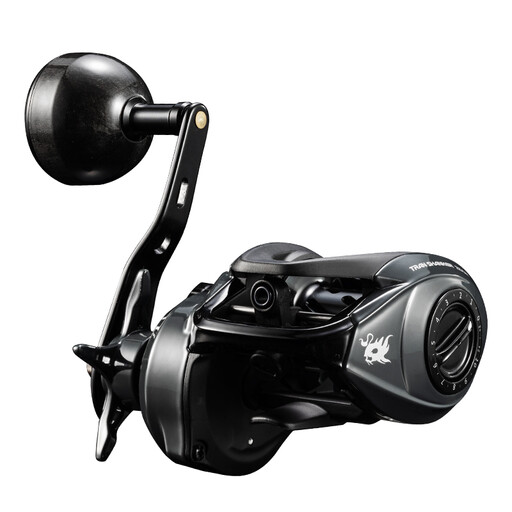
Why This Fits Their Persona: Its lightweight positioning makes it a practical option for newcomers building a casting setup for regular UK freshwater sessions.
The product name clearly identifies it as a casting reel and highlights lightweight use, helping buyers avoid selecting a large reel solely because it looks more powerful.
Lightweight design positioning; casting-reel format for compatible baitcasting rods.
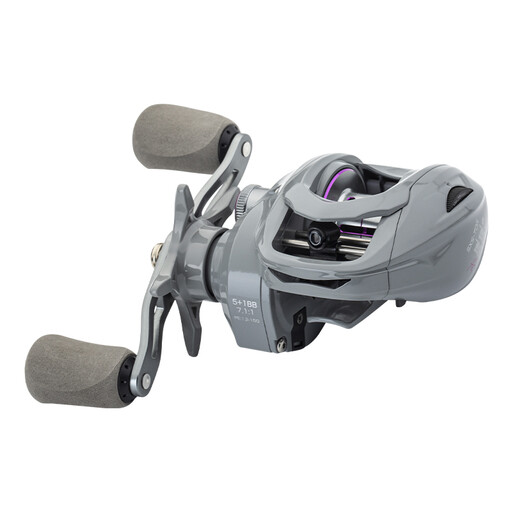
Why This Fits Their Persona: This option is aimed at anglers who want a metal aluminium construction and a fixed-spool design for open-bank, reservoir or coastal casting.
It identifies both the material and long-cast spinning format, so buyers can compare those practical features instead of relying on vague durability wording.
Metal aluminium construction stated in the name; long-cast spinning-reel design.
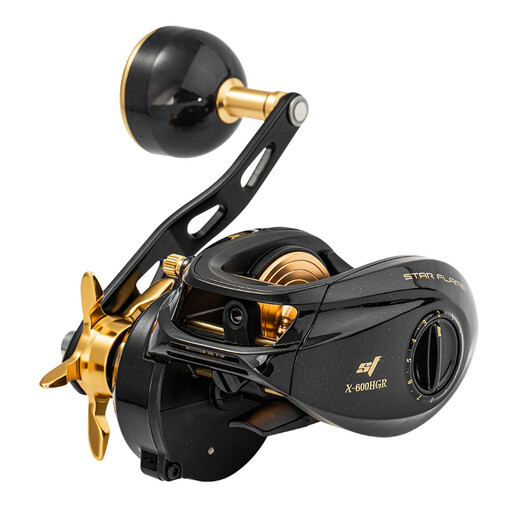
Why This Fits Their Persona: The long-casting and heavy-duty positioning makes it worth considering for anglers using larger tackle or targeting situations where extra capacity may be relevant.
Its intended use is stated directly in the product name, allowing buyers to compare a heavy-duty format with lighter reels rather than assuming one design suits every venue.
Long-casting format; heavy-duty big-fish positioning stated by the manufacturer.
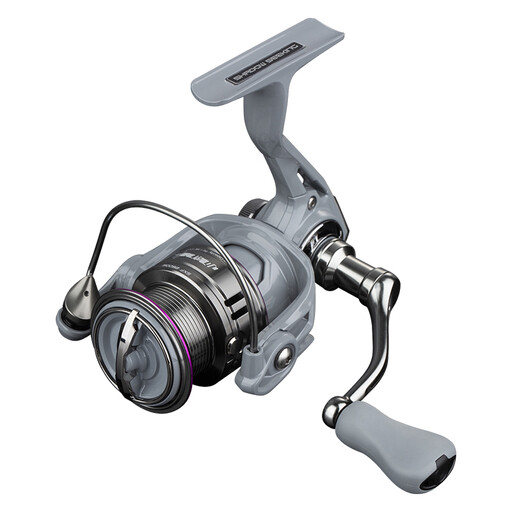
Why This Fits Their Persona: The stated river, lake and stream focus suits UK anglers who move between freshwater venues and want a spinning-reel option for general lure fishing.
The intended freshwater settings are specified, reducing the risk of choosing a surf-oriented reel for small rivers or enclosed lakes.
River, lake and stream use stated in the title; spinning-reel format for compatible freshwater tackle.
We have compiled a complete, real-time list of products that fully satisfy these strict selection criteria and UK safety regulations.
Before your first session, check that the reel is securely attached to the correct rod and that the line is evenly loaded. On a casting reel, adjust spool tension and braking gradually rather than beginning with a loose setting. This can help reduce line overruns while you learn the reel’s response.
For spinning reels, inspect the bail arm and line roller before use. Rinse tackle used near saltwater with fresh water, dry it fully and follow the product instructions for lubrication. Do not store a damp reel in a closed tackle bag, as moisture can contribute to corrosion and stiff movement.
Several listed models are described for river, lake or stream use, including the SXF Shadow Seeking range. Suitability still depends on rod compatibility, line capacity, target species and the conditions at your chosen venue.
A casting reel can be used by a beginner, but baitcasting systems generally require some practice with spool control. Those seeking a simpler starting arrangement may wish to compare a spinning or spincast fishing reel instead.
There is no single lifespan that applies to every reel. Frequency of use, exposure to grit or saltwater, maintenance, storage and the loads placed on the drag all affect service life. Cleaning the reel after use, avoiding forced cranking and replacing damaged line can help preserve its working condition.