
24/7 Customer Support

Free returns

Same-day & Next-day Delivery

Quality Guaranteed

Unlock Your Welcome Offers: FREE Delivery | Up to 80% OFF | Free 30-day JoyPlus trial
Download the APP
Buying an ECOODA fishing rod can look straightforward until you compare lure rods, sea bass models, sea bream rods, Tenya options and fishing rod and reel combos. The right choice depends on where you fish, the techniques you use and how easily the tackle can be transported.
For UK anglers, a rod used on a rocky shore has different requirements from one used beside a canal or stocked lake. Marketing language can also make similar-looking products appear suitable for every situation. Before choosing, consider these common pitfalls.
A freshwater fishing rod may be suitable for lure work in a lake or river, but that does not automatically make it suitable for regular saltwater use. Salt, sand and spray can affect guides, reel fittings and connections. Similarly, a light sea bream rod may not be appropriate for heavier boat tackle or strong tidal conditions.
Look for a product description that clearly states its intended use. Several ECOODA models are described for both freshwater and saltwater fishing, but you should still check the line, lure and weight specifications on the individual listing before ordering.
Rod length affects casting distance, leverage and portability, but it is not the only relevant specification. Action describes how much of the blank bends under pressure. A faster action can provide a more direct feel for lure movement, while a more progressive bend may be useful when cushioning a fish’s runs.
Do not select a rod solely because it is longer. Match the action and rated lure or line range to your intended method, whether that is sea bass lure fishing, rubber jigging, Tenya fishing or general freshwater casting.
A fishing rod and reel combo can simplify selection, but separate purchases require more care. Confirm whether the rod is designed for a spinning, spincast or baitcasting reel, and check that the reel seat accepts the chosen reel foot.
A spincast fishing reel can be convenient for straightforward casting, particularly for some stream and lake lure applications. It should not be assumed to offer the same handling or control as every other reel style. Check the product images, model information and intended technique before purchase.
A two-piece fishing rod is often easier to store in a car, shed or cupboard than a one-piece model. However, the ferrule connection must be assembled fully and checked regularly. Keep the joint clean and inspect it for movement before fishing.
The ECOODA Protolure CC models described as two-section rods may suit anglers who travel between venues or need a more manageable rod for coastal trips. A compact design is useful, but transport convenience should not replace checking the finished rod length and casting specifications.
The best match depends on your method, not simply the target species. A sea bass rod is commonly selected for casting lures from the shore, while an ECOODA sea bream rod or Tenya rod may be intended for more controlled vertical or boat-based presentations.
For rubber jig fishing, look for a rod specifically described for that technique. The ECOODA EETB Rubber Jig Fishing Rod is also presented as a Tai Rabbit fishing rod and Tenya fishing rod, making its stated use more specific than a general-purpose lure rod. Always compare the listed lure weight with the weights you plan to fish.
Product listings may refer to carbon construction or durable materials, but material wording alone does not tell you how a rod will perform in every environment. Check the blank description, guides, handle design and overall construction details where available.
After using an ECOODA saltwater fishing rod, rinse the rod and reel with fresh water, wipe away moisture and allow both to dry before storage. Avoid directing a high-pressure jet at reel bearings or sealed components. Basic maintenance can reduce corrosion and help preserve smooth operation.
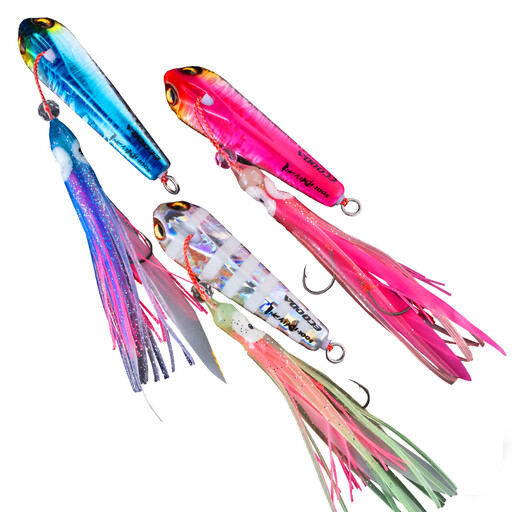
Why This Fits Their Persona: A combo can be a practical starting point for UK beginners who want a rod and reel together rather than matching separate components.
The combined format reduces the risk of buying an incompatible rod and reel, although the listed specifications should still be checked for the intended venue.
Rod and reel are presented as one combo; six colour options are listed.
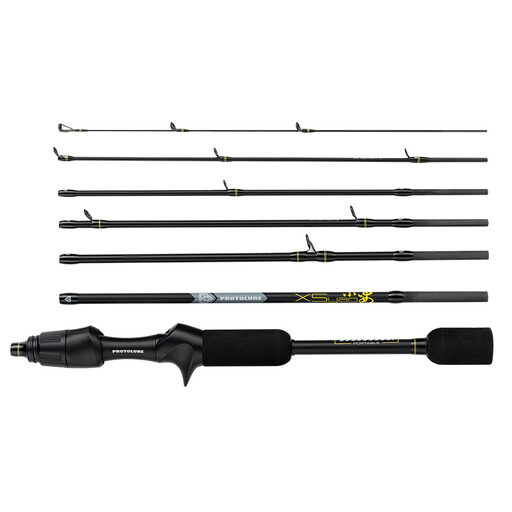
Why This Fits Their Persona: This model is listed for sea bass and freshwater fishing, suiting anglers who alternate between coastal sessions and inland lure venues.
Its stated freshwater and saltwater suitability is clearer than relying on a generic lure-rod label, while maintenance remains important after coastal use.
Carbon sea bass rod format; listed for both freshwater and saltwater fishing.
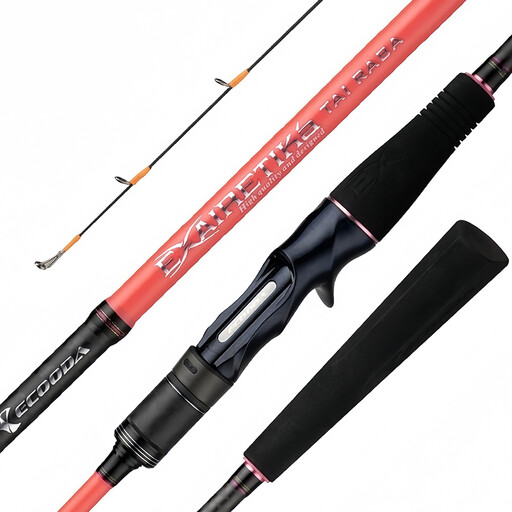
Why This Fits Their Persona: Anglers specifically targeting rubber jig or Tenya techniques may prefer a rod whose product name directly identifies those applications.
The named technique helps reduce the risk of selecting a general rod that does not match your intended presentation. Verify lure and line ratings before use.
Product name specifies rubber jig, Tai Rabbit and Tenya applications; dedicated technique format.
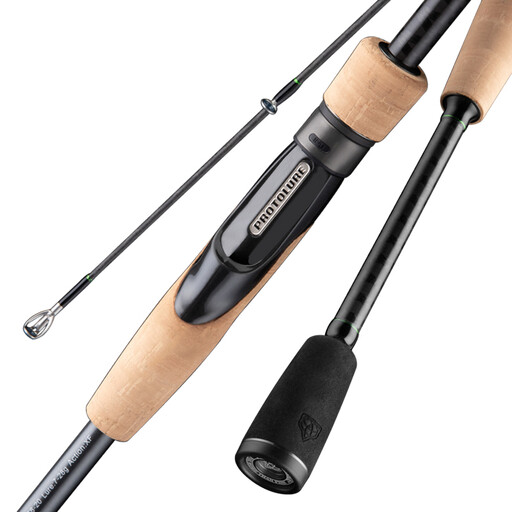
Why This Fits Their Persona: A two-piece sea bream rod can suit UK anglers who need easier transport between beaches, piers, harbours and inland waters.
The two-piece construction addresses storage and transport concerns. Assemble the ferrule carefully and confirm the rod’s ratings match your rig.
Two-piece format; product description states suitability for freshwater and saltwater fishing.
We have compiled a complete, real-time list of products that fully satisfy these strict selection criteria and UK safety regulations.
Some ECOODA listings describe their rods for both freshwater and saltwater fishing, including sea bass and sea bream models. Suitability depends on the exact model, lure or line rating and the conditions. Rinse saltwater equipment with fresh water after every session and inspect the guides, reel seat and ferrules regularly.
A combo can be convenient for beginners because the rod and reel are supplied together. Buying separately allows experienced anglers to select a particular reel style, capacity and rod action. Check compatibility before combining an ECOODA fishing reel with a rod, especially if considering a spincast fishing reel.
Avoid dropping the rod, placing heavy items on the blank or forcing tight ferrule joints apart. Rinse saltwater tackle gently, dry it fully and store it in a protective sleeve or case. Check line guides for damage before each trip, as a rough guide can wear through fishing line.