
24/7 Customer Support

Free returns

Same-day & Next-day Delivery

Quality Guaranteed

Unlock Your Welcome Offers: FREE Delivery | Up to 80% OFF | Free 30-day JoyPlus trial
Download the APP
Choosing between ECOODA fishing rods and reels can be difficult when product listings focus on words such as “carbon”, “long-cast” or “saltwater-ready” without explaining what those features mean for your fishing. The right setup for a Scottish loch will not necessarily suit a beach session in Cornwall, while a rod designed for bass lures may be unsuitable for boat fishing.
This guide highlights the buying details that matter, common marketing traps and a selection of ECOODA products matched to different UK angling needs.
A carbon fishing rod may be light and responsive, but the word carbon does not tell you the rod’s length, power, action or recommended lure weight. A light lure rod can be convenient for trout or bass fishing, yet it may not handle heavy leads, large sea rigs or strong boat-fishing pressure.
Always check the complete specification rather than choosing by material alone.
A freshwater fishing rod can be used for some light coastal applications, but repeated exposure to saltwater places extra demands on guides, reel seats and moving parts. Saltwater fishing gear should be rinsed with fresh water after use, even when the product is described for both environments.
Similarly, a sea bass rod may be suitable for lure fishing around the coast, but that does not necessarily make it appropriate for surf casting or heavy boat rigs.
A spinning reel, baitcasting reel and surf spinning reel offer different casting and handling characteristics. A reel that is too large may make a light rod uncomfortable, while a small reel may not provide the line capacity needed for long-cast fishing.
Check the rod’s stated lure or line range, then select a reel with a compatible size, spool capacity and drag specification.
Rod length affects casting distance, leverage and portability. A longer sea fishing rod can help with shore casting, while a shorter rod is generally easier to control from a boat or when fishing tight freshwater swims.
Action describes where the blank bends under load. Faster actions tend to transfer movement more directly to a lure, whereas a more progressive bend can help cushion running fish. Product listings do not always use these terms consistently, so look for the manufacturer’s stated action and intended fishing style.
For lure fishing, the lure-weight range is one of the most practical specifications. Staying within that range helps you choose suitable lures and reduces the risk of using tackle outside its intended design.
For surf or boat fishing, check the recommended casting weight and line capacity instead. These figures are more relevant than a generic description such as “heavy duty”.
Guides should be checked for their stated material and design. The ECOODA Carbon Lure Rod, for example, lists Fuji SIC guides and O-ring guides in its product name. These are identifiable construction details, unlike vague phrases such as “premium guides”.
After saltwater use, rinse the rod and reel gently with fresh water, dry them fully and avoid storing wet tackle in a sealed bag. Do not use excessive pressure around the reel’s drag or line roller, as routine cleaning is not the same as waterproofing.
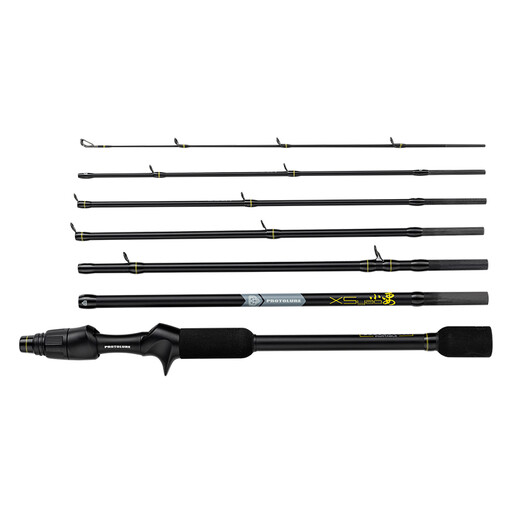
Why This Fits Their Persona: Its product description positions it for freshwater lure fishing, making it a straightforward starting point for anglers targeting bass or similar species in lakes, canals and rivers.
The named freshwater lure purpose is more useful than selecting a rod simply because it is made from carbon. Check its actual length, action and lure range before ordering.
Carbon construction is specified in the product name; the rod is listed for freshwater lure use.
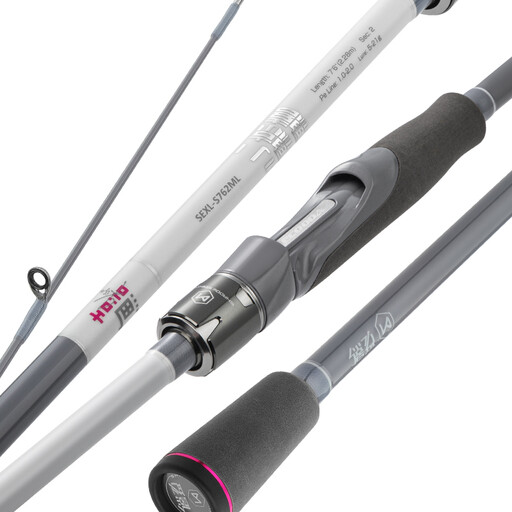
Why This Fits Their Persona: Anglers wanting named component details may prefer this option for bass, trout and carp lure applications, subject to checking the full listing specification.
The listing identifies Fuji SIC guides and O-ring guides, giving you specific features to verify instead of relying on an unqualified “premium” label.
Carbon construction; Fuji SIC and O-ring guides are named in the product title; listed for bass, trout and carp.
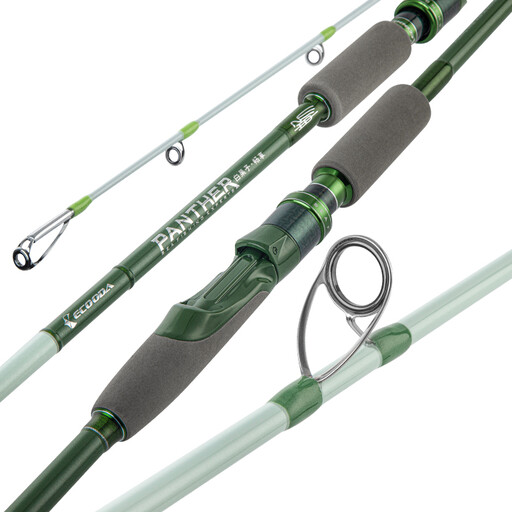
Why This Fits Their Persona: Shore and boat anglers seeking a sea fishing rod with a long-cast focus can use this listing as a starting point, provided the casting weight matches their rig.
The product is explicitly described as lightweight, long-cast and suitable for boat fishing. Still verify whether its casting range suits beach leads or boat rigs.
Lightweight design is specified; the product name identifies long-cast and boat-fishing use.
For lure fishing in streams, lakes or reservoirs, a spincast or baitcasting reel may appeal to anglers who want a particular casting style. The ECOODA SXF Shadow Tracer Spincast Fishing Reel is listed for stream and lake lure casting, so it should be assessed against your chosen rod and line.
For beach fishing, the ECOODA SXS Shadow Casting Reel is described as a metal aluminium surf spinning reel. Check spool size, line capacity and drag details before pairing it with a long-cast rod. For any saltwater setup, rinse the reel after every session and inspect the bail arm, line roller and drag for sand or salt deposits.
Remember that a reel’s advertised gear ratio does not tell the whole story. Retrieve speed, spool capacity, weight and drag adjustment all affect whether it suits lure, surf or boat use.
We have compiled a complete, real-time list of products that fully satisfy these strict selection criteria and UK safety regulations.
Some listings specifically describe freshwater and saltwater use, while others are identified for freshwater lure fishing, sea fishing or boat fishing. Match the product’s stated purpose to your conditions and rinse saltwater tackle with fresh water after each use.
A spinning reel is a common pairing for lure rods, but the correct choice depends on the rod’s reel seat, line rating and intended lure weight. Check those specifications before selecting a reel size. A baitcasting reel should only be fitted where the rod and reel design are compatible.
Rinse rods and reels gently with fresh water, wipe them dry and allow them to air-dry before storage. Keep sand away from the spool and drag, avoid forcing stiff mechanisms and inspect guides for damage before the next session. A protective rod tube or sleeve can also reduce transport damage.