
24/7 Customer Support

Free returns

Same-day & Next-day Delivery

Quality Guaranteed

Unlock Your Welcome Offers: FREE Delivery | Up to 80% OFF | Free 30-day JoyPlus trial
Download the APP
Choosing between ECOODA fishing rods is not simply a matter of picking the longest or lightest model. UK anglers may need one rod for small freshwater lures, another for sea bass from the shore or a purpose-built option for boat fishing and specialist techniques. The wrong choice can make casting awkward, reduce lure control and leave the rod unsuitable for the conditions.
By Joybuy Product Recommendation Officer
Freshwater lure fishing, shore-based sea fishing and boat fishing place different demands on a rod. A freshwater lure rod may prioritise casting control and sensitivity, while a saltwater fishing rod needs to suit heavier rigs, coastal conditions and the space available on a boat or shoreline.
A rod described as suitable for both freshwater and saltwater may offer useful versatility, but check its stated use, length, casting range and construction before assuming it can replace every specialist rod.
“Carbon” can indicate a lightweight rod construction, but the material alone does not tell you whether the rod suits your lure weight, target species or fishing style. Also check the sections, guides, handle and reel-seat design.
For example, a two-piece fishing rod can be easier to transport in a car or store at home, but the joint should be assembled fully and checked regularly. A rod with Fuji SIC guides, such as the listed ECOODA Carbon Lure Rod, highlights a specific guide component; it should still be assessed alongside the rest of the rod’s specifications.
A long-cast fishing rod may help create casting leverage, but actual distance depends on lure or rig weight, line choice, casting technique, wind and the rod’s action. A longer rod is not automatically more comfortable, particularly when fishing from a cramped boat or working lures for long periods.
Longer rods can be useful from beaches, piers and open banks where additional casting reach is helpful. However, boat anglers often benefit from a more manageable format that will not interfere with other equipment or passengers.
A two-piece design provides a practical transport advantage. Before buying, compare the assembled length with the packed length and confirm that the rod will fit your vehicle, storage space or rod holdall.
Match the rod to the intended species and lure or rig style:
Always check the manufacturer or seller’s listed model details, including any line, lure or weight information available on the product page.
Guides influence how line passes along the blank and should be inspected for damage or sharp edges before use. Fuji SIC guides are specifically named on one ECOODA carbon lure rod listing, while other models may use different guide specifications.
For saltwater fishing, rinse the rod with fresh water after each session and dry it before storage. Pay particular attention to guides, reel fittings and the connection between sections. Salt deposits can affect moving parts over time, even when the rod itself appears clean.
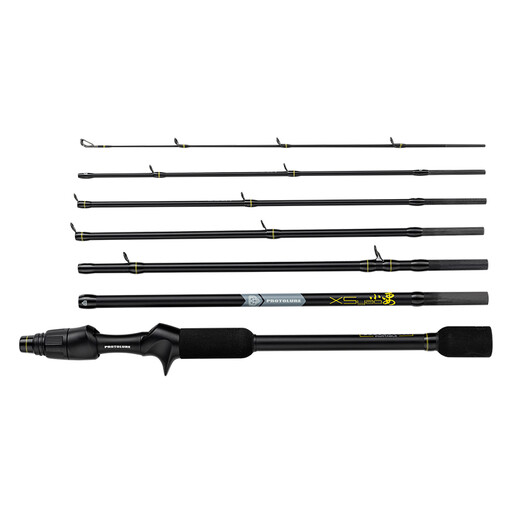
Why This Fits Their Persona: A straightforward option for UK anglers beginning with freshwater lure fishing and looking for a rod specifically listed for bass.
Its listing clearly identifies freshwater lure use, helping avoid buying a generic rod without a stated fishing purpose.
Carbon construction is named in the product title; the model is presented as a freshwater lure rod.
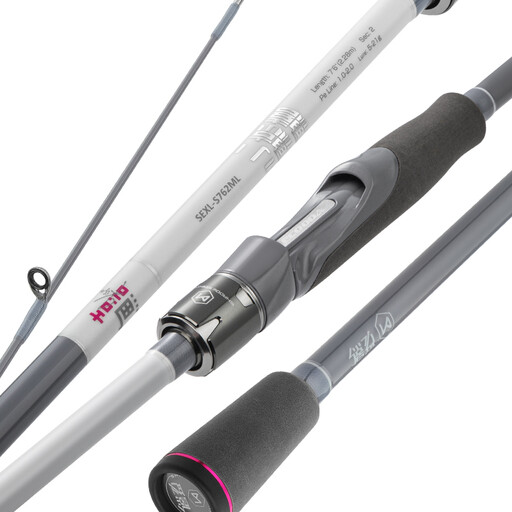
Why This Fits Their Persona: Suitable for anglers comparing named components and seeking one lure rod listed for bass, trout and carp applications.
The listing identifies the carbon construction, Fuji SIC guides and O-ring design, rather than relying only on a broad performance phrase.
Named Fuji SIC guides; listed for bass, trout and carp fishing.
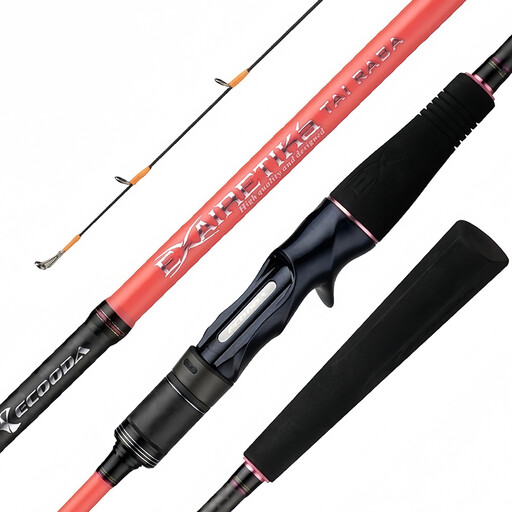
Why This Fits Their Persona: Designed for anglers focused on specialist rubber jig and Tenya fishing rather than general lure work.
The product title states its specialist use, making the intended technique clearer than a rod marketed only as multi-purpose.
Named for rubber jig fishing; also identified for Tenya game.
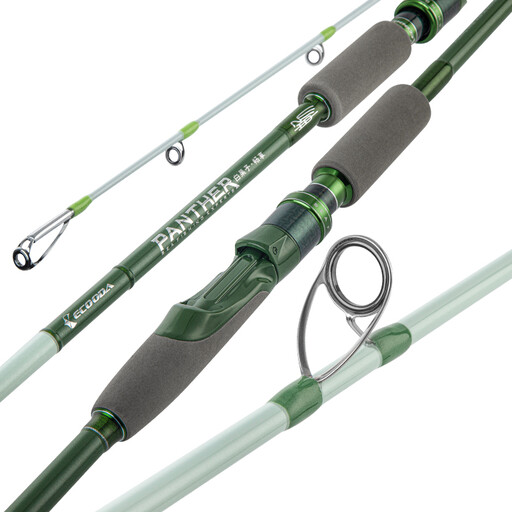
Why This Fits Their Persona: A practical match for UK coastal anglers who alternate between sea fishing and boat sessions and want a model described as lightweight and long-cast.
Its title states both the sea-fishing setting and long-cast format, giving buyers clearer direction before they compare dimensions.
Listed as lightweight; intended for long-cast sea and boat fishing.
We have compiled a complete, real-time list of products that fully satisfy these strict selection criteria and UK safety regulations.
Several listings are specifically described for sea bass, sea fishing, saltwater fishing or boat use. Check the individual product’s length, sections and stated application before purchase. After use, rinse saltwater fishing rods with fresh water and allow them to dry fully.
Usually, a two-piece format reduces the packed length compared with an equivalent one-piece rod. Confirm the product’s assembled and folded dimensions and inspect the joint before every session to ensure the sections are seated correctly.
Lifespan depends on loading, transport, storage and maintenance rather than carbon construction alone. Avoid high-sticking, knocks against hard surfaces and forced bends. Store the rod dry, protect the guides and keep sections separated where appropriate. A careful inspection before each outing can identify guide damage or joint wear early.