
24/7 Customer Support

Free returns

Same-day & Next-day Delivery

Quality Guaranteed

Unlock Your Welcome Offers: FREE Delivery | Up to 80% OFF | Free 30-day JoyPlus trial
Download the APP
Choosing among ECOODA fishing rods can look straightforward until you compare rod length, lure weight, construction and intended water. A rod labelled for bass may not suit small river trout, while a lightweight sea rod may be unsuitable for repeated heavy boat work.
The main risk is buying around a marketing phrase rather than the specification. Before ordering, check the product details, intended fishing environment and compatibility with your reel and line.
An ECOODA carbon fishing rod may offer a lighter construction than a comparable conventional rod, but the material alone does not tell you whether it suits your lure, target species or casting style. A carbon rod designed for a freshwater lure may not have the line capacity, corrosion resistance or strength profile required for saltwater fishing.
Look for the full specification, including rod length, sections, casting weight, line rating and action. If these details are not visible, confirm them before purchasing.
A freshwater lure rod is generally selected around lighter lures and more controlled casting in rivers, canals, lakes or reservoirs. An ECOODA sea fishing rod or boat fishing rod may be designed for longer casts, stronger tackle or work from a moving platform.
“Multi-purpose” should therefore be interpreted carefully. A two-piece fishing rod can be convenient to transport, but portability does not necessarily mean it is suitable for both a small stream and exposed coastal fishing.
Salt residue can affect guides, reel seats and moving reel components. Even when a product is described for sea fishing, rinse the rod and reel with fresh water after use, dry them fully and inspect the guide rings for damage.
A spinning fishing reel or baitcasting reel also needs to match the rod’s reel seat and intended line direction. Avoid buying a reel solely because it looks compatible in photographs.
Longer rods can help with casting distance and line control, particularly from beaches, piers or open banks. Shorter rods are easier to handle in confined river spaces and on crowded boats. A two-piece design can make storage and travel simpler, but check the assembled length and section dimensions before ordering.
For UK anglers travelling by car or public transport, the folded length may be as important as the fishing length.
Action describes how much of the rod bends under load. A faster action typically bends nearer the tip, while a moderate action distributes the bend further down the blank. Faster actions can provide direct lure control; moderate actions may help absorb sudden runs.
Power indicates the rod’s resistance to bending. Match it to the likely fish, lure weight and line strength rather than choosing the heaviest option available. An overly powerful rod may make light lure fishing less responsive, while an underpowered rod can be difficult to control with larger lures or stronger currents.
Guides should be securely fitted and suitable for the line type you intend to use. The ECOODA Carbon Lure Rod is described with Fuji SIC guides and O-ring construction, but you should still check the listing for the exact model’s length, action and lure range.
When pairing a rod with a spinning fishing reel, confirm that the rod is designed for a spinning setup. A baitcasting reel requires a suitable casting rod and reel seat. For lure anglers, also match the rod to the weight and diving behaviour of the minnow fishing lure or jig being used.
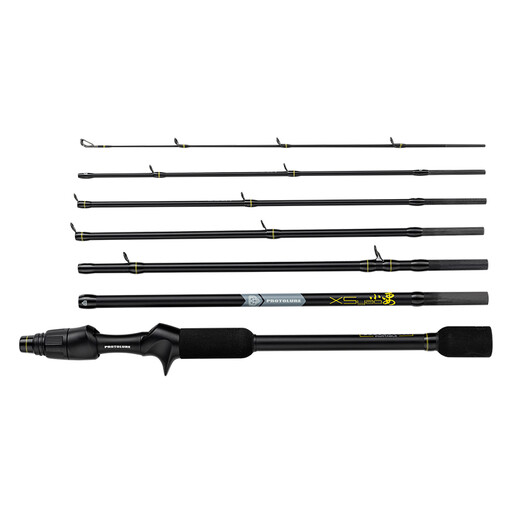
Why This Fits Their Persona: A practical starting point for anglers focusing on lure fishing in UK rivers, lakes and reservoirs, where manageable tackle and straightforward transport are useful.
Its product name identifies a freshwater lure and bass use, helping buyers avoid treating a general sea rod as a universal light-lure option.
Carbon construction is listed in the name, and the rod is specifically described as a freshwater lure rod.
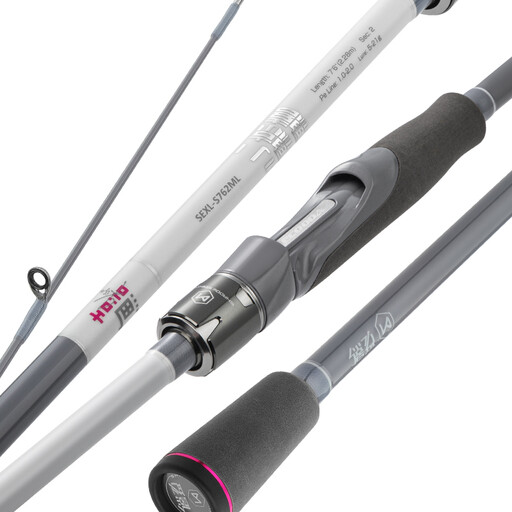
Why This Fits Their Persona: Suits anglers who want named guide components and a rod positioned for several freshwater lure targets, including bass, trout and carp.
The listing identifies Fuji SIC guides and O-ring construction, giving buyers specific components to verify instead of relying only on a carbon label.
Fuji SIC guides are specified, and the product is listed for bass, trout and carp lure fishing.
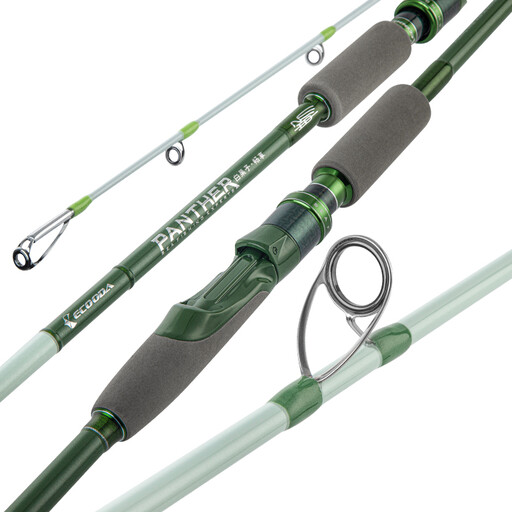
Why This Fits Their Persona: A relevant option for coastal anglers, pier fishers and boat users who need a sea fishing rod described around lightweight handling and long-cast use.
Its stated sea and long-cast purpose makes the intended environment clearer than a rod marketed only as versatile.
The listing describes lightweight construction and long-cast boat fishing use.
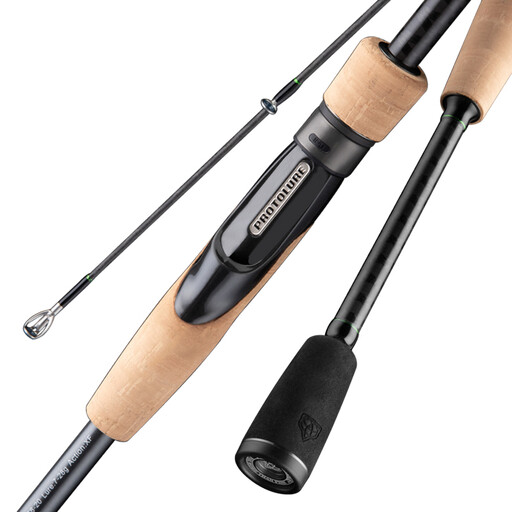
Why This Fits Their Persona: Suitable for anglers who alternate between freshwater and saltwater sessions and value a two-section format for transport and storage.
The product description states freshwater and saltwater suitability, but the buyer should still confirm the line, lure and maintenance requirements for each setting.
Two-piece construction is specified, along with use for both freshwater and saltwater fishing.
For a freshwater lure setup, pair the rod with a reel size and line rating that sit within the manufacturer’s stated range. A spinning reel is often simpler for beginners, while a baitcasting reel requires more control during casting and braking.
For sea fishing, rinse the reel after every outing and check that the line has not become abraded by rocks, rails or boat fittings. A minnow fishing lure should be selected according to its stated weight, diving depth and the rod’s casting range. Do not exceed the rod’s lure rating simply to gain extra distance.
Anglers seeking a more specialised presentation may also consider the ECOODA EETB Rubber Jig Fishing Rod, listed for Tai Rabbit and Tenya Game techniques. This type of rod should be assessed by its exact action and lure range rather than by appearance alone.
We have compiled a complete, real-time list of products that fully satisfy these strict selection criteria and UK safety regulations.
Some ECOODA models are specifically listed for sea fishing, long casting or boat use. Check the individual product’s length, lure or weight rating, line recommendation and construction before using it in coastal conditions. Always rinse saltwater equipment with fresh water afterwards.
Yes, a two-piece format can simplify transport and storage. Before fishing, make sure the sections are fully and securely joined, and inspect the joint regularly for grit, looseness or visible damage.
Lifespan depends on loading, storage, transport and cleaning. Avoid high-sticking, impacts and forcing a snagged lure. Store the rod dry in a protective case or sleeve, loosen the reel drag after use and replace any rod with cracked sections or damaged guides.