
24/7 Customer Support

Free returns

Same-day & Next-day Delivery

Quality Guaranteed

Unlock Your Welcome Offers: FREE Delivery | Up to 80% OFF | Free 30-day JoyPlus trial
Download the APP
Choosing among ECOODA fishing rods can be difficult when product names highlight carbon construction, long casting, lure performance or specialist techniques without showing the details that matter on the bank or boat. The right rod depends on your target species, fishing environment, lure or bait weight and how often you will transport and maintain it.
This guide explains the common buying traps, the specifications worth checking and which ECOODA models may suit different UK angling profiles.
A carbon blank can help reduce weight and provide a responsive feel, but the word alone does not explain the rod’s action, power or durability. Two carbon rods may behave very differently when casting light lures, controlling a fish near structure or handling heavier saltwater rigs.
Before buying an ECOODA carbon fishing rod, check the listed length, casting range, sections, action and line or lure recommendations. If these details are unavailable, contact the retailer before ordering rather than relying on the material description alone.
A saltwater fishing rod is exposed to salt deposits, sand and moisture. Even a rod marketed for sea fishing still needs rinsing with fresh water and thorough drying after use. Salt can affect guides, reel seats and connections if it is left to build up.
Look for practical information about guide construction and care. The ECOODA Carbon Lure Rod, for example, names Fuji SIC guides and O-ring features in its product title, but anglers should still follow the care instructions and confirm the exact specification for the selected variant.
A longer blank can assist with casting distance in open conditions, but it may be awkward on a crowded pier, in dense vegetation or aboard a small boat. A long rod can also be less convenient to transport in a car or store at home.
Match rod length and action to your usual location. A lightweight long-cast fishing rod may suit open beaches or shore marks, while a shorter boat fishing rod is generally easier to manage around fellow anglers and railings.
A two-piece fishing rod is often easier to carry than a one-piece model, particularly for UK anglers travelling to rivers, reservoirs or the coast. However, the joint should be assembled correctly and checked regularly for movement or damage.
Consider:
For a small stream or lure session, compact transport can be more useful than maximum length. For open beaches and shoreline marks, additional length may assist line control.
The lure or casting rating should match the tackle you intend to use. A light lure rod may be more responsive with small plugs, soft lures or jigs, whereas a heavier sea rod is designed around larger rigs and stronger line.
Do not select a rod based only on the target species. A bass fishing rod for light lure work is not automatically suitable for heavy boat rigs. Similarly, a trout fishing rod may not have the power required for large carp or rough-ground sea fishing.
Check the product listing for:
If you are comparing freshwater lure rod models, prioritise lure range and action. For carp fishing rod searches, also consider the expected casting distance, lead weight and fish size. These specifications are more useful than broad labels such as “universal”.
Guides influence line flow during casting and retrieve. The ECOODA Carbon Lure Rod specifically lists Fuji SIC guides, which gives buyers a clear feature to compare with other listings. Still, guide type does not remove the need for cleaning or prove that a rod is suitable for every saltwater situation.
For sea bass, sea bream and boat fishing, inspect the listing for corrosion-related care guidance and the intended rig weight. For freshwater use, a clean, dry storage routine helps protect the blank, guides and reel fittings from avoidable wear.
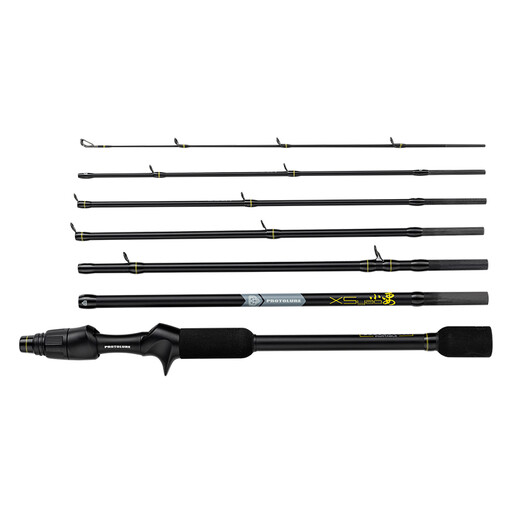
Why This Fits Their Persona: A straightforward option for anglers beginning with freshwater lure fishing in UK lakes, canals or rivers. Its product name identifies carbon construction and bass-focused lure use.
It is positioned specifically as a freshwater lure rod, helping beginners avoid buying a heavy sea or boat model for light lure sessions. Check the exact lure range before purchase.
Carbon construction is specified in the name; the intended freshwater lure application is clearly stated.
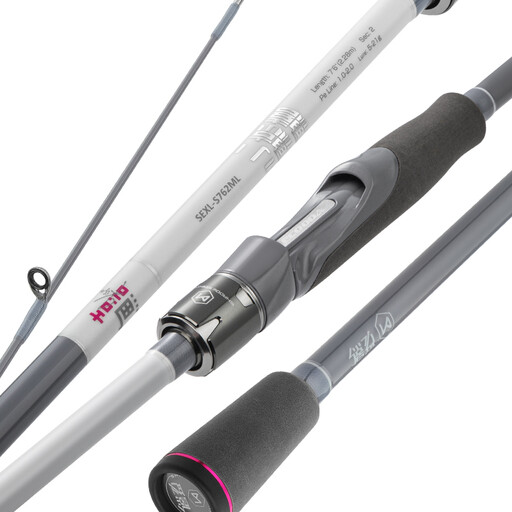
Why This Fits Their Persona: Suits anglers who want named component details when comparing lure rods for bass, trout and carp across different UK venues.
The listing identifies Fuji SIC guides and O-ring details instead of relying only on a generic “carbon” label. Confirm the remaining technical ratings for your tackle.
Carbon lure-rod construction; Fuji SIC guides are named in the product title; bass, trout and carp use is indicated.
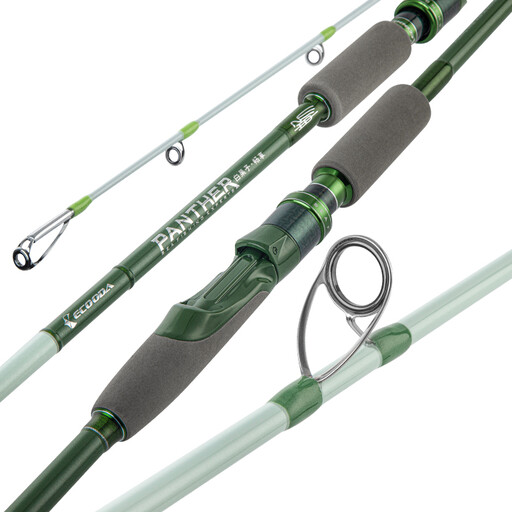
Why This Fits Their Persona: Designed around sea fishing and boat use, making it relevant for anglers who regularly fish UK coastlines, piers or charter boats and need a longer-casting format.
Its stated sea-fishing, lightweight and long-cast purpose makes the use case clearer than a general-purpose listing. Check boat clearance and casting specifications before ordering.
Sea fishing application is specified; lightweight long-cast and boat-rod features are identified in the product name.
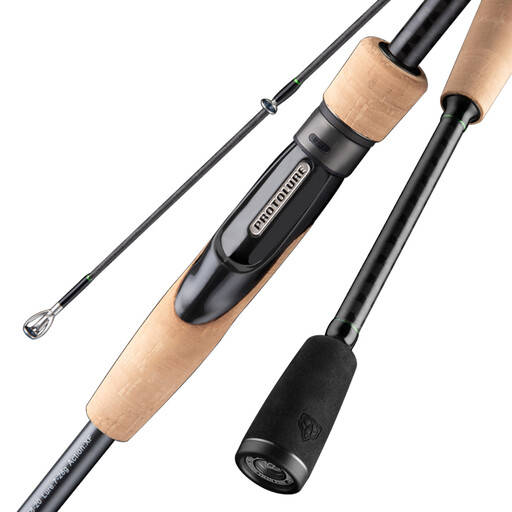
Why This Fits Their Persona: A practical match for anglers alternating between freshwater lure venues and coastal sea-bass sessions who value a two-section format.
The product title states both freshwater and saltwater use and identifies a two-section design. Rinse the rod after coastal sessions and verify lure ratings for each application.
Two-section construction is specified; freshwater and saltwater sea-bass use is indicated.
ECOODA’s range also includes more focused designs. The ECOODA EETB Rubber Jig Fishing Rod is labelled for rubber jig, Tai Rabbit and Tenya Game techniques. This type of rod should be considered when your tackle and presentation are built around those methods rather than general lure fishing.
For sea-bream sessions, the ECOODA Protolure CC Two-Piece Sea Bream Rod is listed as suitable for freshwater and saltwater fishing. Meanwhile, the ECOODA Lightweight Long-Casting Boat Rod for Sea Fishing focuses on boat and long-cast use. Always compare the selected listing’s length, weight range and model number, as several product variants may look similar.
After a saltwater trip, rinse the blank and guides with clean, low-pressure water, dry the rod fully and store it away from direct heat. Check ferrules, guide inserts and the reel seat before the next outing. These simple steps can reduce avoidable maintenance costs and help extend usable life.
We have compiled a complete, real-time list of products that fully satisfy these strict selection criteria and UK safety regulations.
Some ECOODA listings are specifically labelled for sea fishing, sea bass, boat fishing or freshwater and saltwater use. Suitability depends on the exact model, rig weight, line rating and fishing location. Confirm these specifications before using a rod for rough ground, heavy leads or boat work.
Selected models, including the Protolure CC two-section sea-bass listings, are described for both environments. A shared-use rod still requires proper cleaning after every saltwater session. Do not assume that a freshwater lure rod is suitable for sea fishing unless the listing states this.
Use a compatible reel and line, avoid exceeding the stated casting range and rinse saltwater equipment after use. Transporting the rod in a protective sleeve and checking the section joint before each trip can also help prevent damage and replacement costs.