
24/7 Customer Support

Free returns

Same-day & Next-day Delivery

Quality Guaranteed

Unlock Your Welcome Offers: FREE Delivery | Up to 80% OFF | Free 30-day JoyPlus trial
Download the APP
Choosing ECOODA fishing tackle can be straightforward when you match each item to the way you fish. The difficulty is separating useful specifications from vague marketing language. A lure designed for deep trolling is not automatically suitable for casting from a beach, while a sea fishing rod may feel poorly balanced for light freshwater work.
This guide explains the main buying traps, the specifications worth checking and a selection of ECOODA rods, reels, lures and accessories for different UK angling situations.
A deep dive fishing lure is designed to reach a stated depth during a suitable trolling retrieve. That does not mean it will cast well from shore or swim at the same depth when used with a different line, speed or boat set-up. Check whether you need a trolling lure, surface lure, sinking lure or vibration jig lure before buying.
A long-cast fishing rod may help with distance, but length is only one part of the selection. You should also consider the lure or bait weight, rod action, line strength and whether you will fish from a beach, pier, boat or riverbank. A rod that is too powerful for light lures can reduce casting control and bite sensitivity.
Salt, sand and moisture can affect guides, reel mechanisms, hooks and lure hardware. Even tackle described for sea or offshore use needs sensible care. Rinse saltwater equipment with fresh water, dry it thoroughly and inspect exposed metal parts after each session. This is particularly important for spinning reels and lures with treble hooks.
For a sea bass rod or freshwater fishing rod, check the stated casting range and action where available. A faster action usually transfers movement more directly to the lure, while a softer action may help cushion sudden runs. The correct choice depends on the lure weight and target species rather than the rod’s appearance.
For a rubber jig rod or Tenya-style set-up, confirm that the rod is intended for the weight and movement of the jig you plan to use. Boat anglers should also consider whether the rod length is practical in a confined cockpit.
The ECOODA 165DD minnow lure listing specifies a deep-dive capability of up to 10 metres, a 64 g weight, a 130 mm dive length and a 165 mm body length. These figures help you decide whether it suits offshore or deep-water trolling rather than general-purpose casting.
For any lure, also check hook size, bill design and connection point. A wide diving bill can influence running depth, while lure weight affects casting equipment and line choice.
Lures fitted with strong hooks require careful handling during casting, unhooking and storage. Keep hooks away from eyes, faces and other anglers, and avoid casting near swimmers or crowded areas. After saltwater use, rinse the lure with fresh water, dry it fully and check for rust or dull points.
When buying a spinning reel, consider line capacity, retrieve suitability and ease of cleaning. Match the reel to the rod and line rather than purchasing each item separately based only on price or colour.
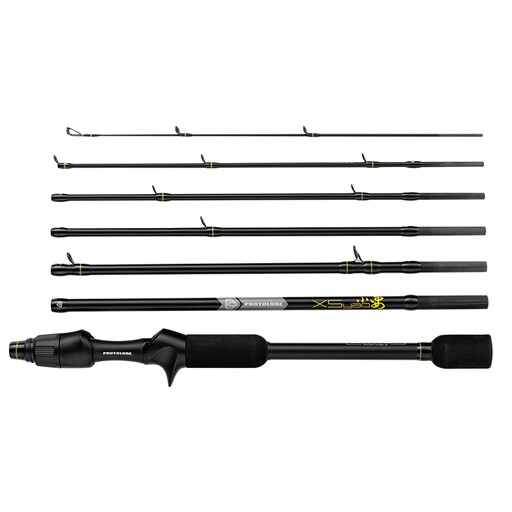
Why This Fits Their Persona: A practical option for anglers comparing one rod for sea bass and freshwater lure fishing, provided its stated specifications match the intended lure weights and venues.
Its product name clearly identifies both sea bass and freshwater use, helping buyers avoid selecting a rod solely by length or appearance.
Carbon rod construction is specified in the product name; the listing identifies use in both saltwater and freshwater contexts.
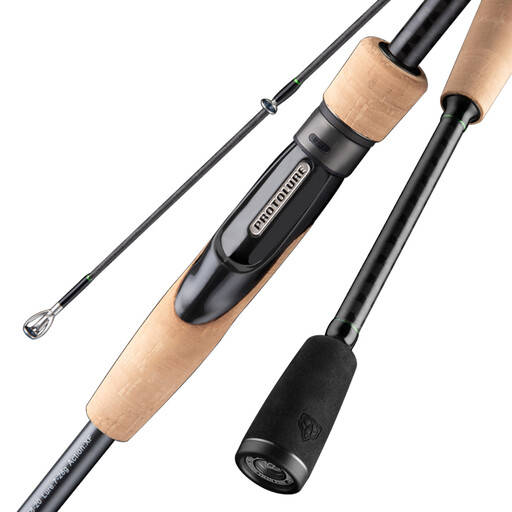
Why This Fits Their Persona: Suitable for anglers looking for a two-section sea bass rod that can be considered for both freshwater and saltwater fishing.
The two-section format makes transport and storage considerations clear before purchase, rather than leaving buyers to infer them from photographs.
The listing states a two-section design and identifies freshwater and saltwater use.
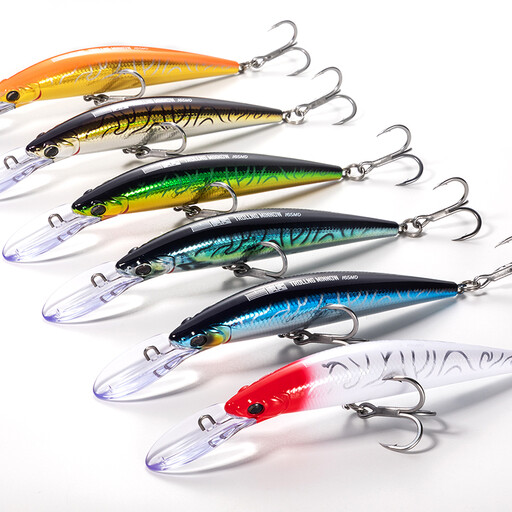
Why This Fits Their Persona: Intended for offshore and deep-water trolling where a stated dive depth and heavier lure weight are more useful than general casting versatility.
The product information gives measurable depth, weight and dimensions, so buyers can compare it with their trolling set-up.
Up to 10 m stated dive depth; 64 g weight; SIKE 3509 5X #2 hooks are specified for the lure.
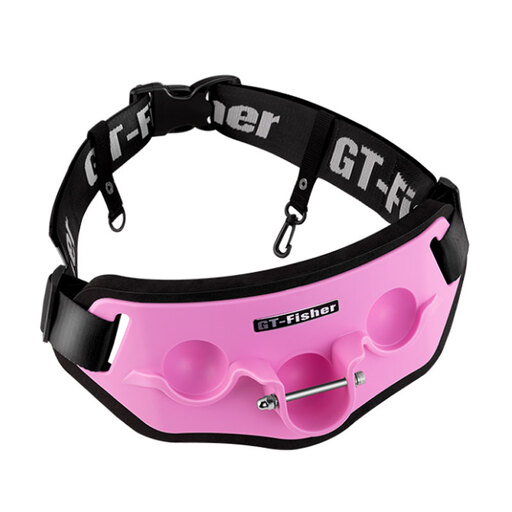
Why This Fits Their Persona: A fishing gimbal is relevant to boat anglers who need a dedicated harness or belt contact point while managing heavier tackle.
It addresses the common oversight of buying a heavy boat rod without considering how the rod will be supported during a fight.
The product is identified specifically as a fishing gimbal; it can be considered alongside boat fishing rods and offshore tackle.
Anglers looking for a broader set-up can also compare the ECOODA AVANZATO 60 g Six-Colour Vibration Jig Lure for jigging applications, or the ECOODA SXF Shadow Seeking Spinning Reels River Lake Stream Fishing Bait Casting for river, lake and stream use. For shore and boat casting, the ECOODA Sea Fishing Rod, Lightweight Long-Cast Boat Fishing Rod is another listing to check against your intended casting range and lure weight.
For rubber jig and Tenya techniques, compare the available ECOODA EETB Rubber Jig Fishing Rod variants carefully, as product listings may differ by specification or configuration.
We have compiled a complete, real-time list of products that fully satisfy these strict selection criteria and UK safety regulations.
Some listed products are specifically described for sea, saltwater, boat or trolling use, while others are intended for freshwater. Check the individual rod, reel or lure specifications and match them to your venue, target species, line and technique. Rinse and dry saltwater tackle after every session.
The ECOODA 165DD minnow lure listing specifies a dive depth of up to 10 metres, a 64 g weight and a deep-dive design. It is therefore aimed at deep-water or offshore trolling rather than being a general-purpose shallow lure. Confirm that your rod, reel and line can handle its weight.
Rinse saltwater equipment with fresh water, dry it before storage and keep it away from prolonged direct sunlight. Inspect rod guides, reel components, lure bodies and hooks regularly. Replace or service damaged parts before fishing, and store sharp-hooked lures in a secure tackle box.