
24/7 Customer Support

Free returns

Same-day & Next-day Delivery

Quality Guaranteed

Unlock Your Welcome Offers: FREE Delivery | Up to 80% OFF | Free 30-day JoyPlus trial
Download the APP
Choosing ECOODA fishing tackle can be difficult when product listings focus on colour, model names and broad phrases such as “high quality” without explaining how the equipment will suit your fishing. The right combination of rod, reel and line depends on your target species, venue and casting style—not simply the most heavily marketed option.
This guide highlights common buying pitfalls, the specifications worth checking and a selection of ECOODA products matched to different angler profiles.
A “bass fishing rod” or “trout fishing rod” may sound specific, but species labels do not tell you enough about the tackle. A rod used for small river trout requires a different lure range and casting action from a sea bass rod used on an exposed shoreline.
Before buying, check:
Fluorocarbon fishing line and PE braided fishing line have different characteristics. Fluorocarbon is commonly selected for leader sections or lure fishing setups where abrasion resistance and a less visually prominent line are priorities. PE braid is valued for its small diameter relative to stated breaking strain and can help with casting distance, but it normally requires an appropriate leader and carefully tied connection.
A line’s stated strength is not the only consideration. Diameter, knot quality, abrasion, water conditions and age can all affect performance.
A long-casting fishing reel still needs to match the rod, line diameter and lure weight. An oversized spool may add unnecessary weight to a light lure setup, while a small spool may limit capacity for heavier line or longer runs.
Also check whether the product is a spinning reel, spincast-style reel or baitcasting reel. These designs are used differently and are not interchangeable with every rod.
Rod length affects casting leverage, lure control and portability. Longer rods can be useful from beaches, piers or open banks, while shorter rods may be easier to use around tight riverbanks and overgrown swims.
For a sea bass fishing rod, consider whether the length and casting range suit shore-based lure work. For a bass or trout fishing rod, focus on the lure weights you actually use. A carp fishing rod generally needs a different setup from a light lure rod, so avoid choosing solely by the species in the title.
Select line according to the environment and presentation:
Always check the exact diameter and breaking strain on the product page before ordering. Do not rely on colour or “heavy-duty” wording as a substitute for technical figures.
For a reel, review spool capacity, line compatibility and the drag specification. A spinning reel is generally straightforward for casting lighter lures, while a baitcasting reel may suit anglers who prefer direct spool control and accurate placement. A long-casting fishing reel should be assessed alongside the rod and intended fishing distance rather than as a standalone upgrade.
If fishing in saltwater, rinse suitable equipment with fresh water after use and dry it fully. This routine helps reduce the build-up of salt and grit, regardless of brand.
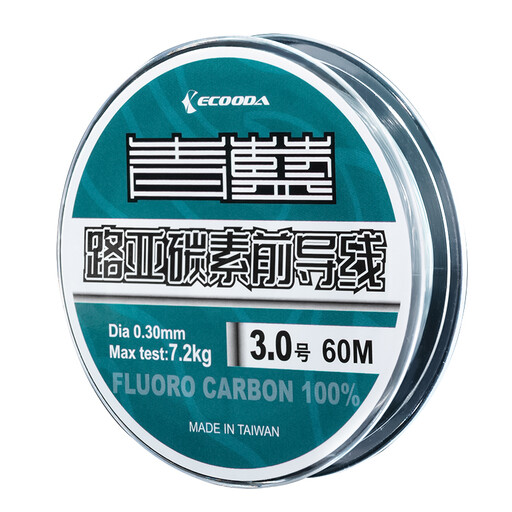
Why This Fits Their Persona: A practical starting point for UK lure anglers who want to compare fluorocarbon line options before investing in a complete new outfit.
It encourages buyers to check material, diameter and breaking strain rather than selecting line based only on colour or promotional wording.
Fluorocarbon format; listed specifically for lure fishing applications.
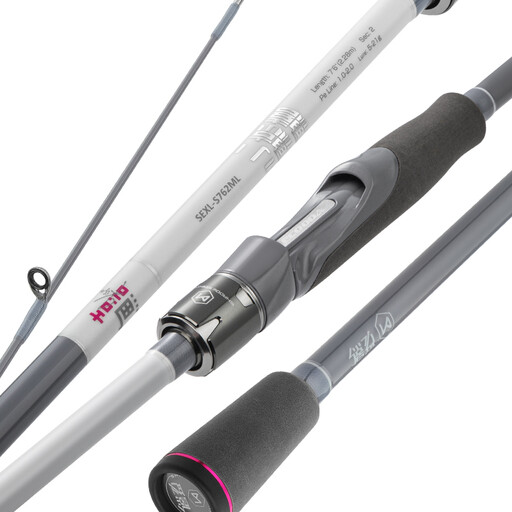
Why This Fits Their Persona: Suits anglers comparing one carbon lure rod for bass, trout and carp-related lure applications across rivers, lakes and other UK venues.
The listing identifies carbon construction and Fuji SIC guides, giving buyers tangible details to compare instead of relying on vague performance claims.
Carbon lure rod construction; named Fuji SIC guides; multi-species positioning.
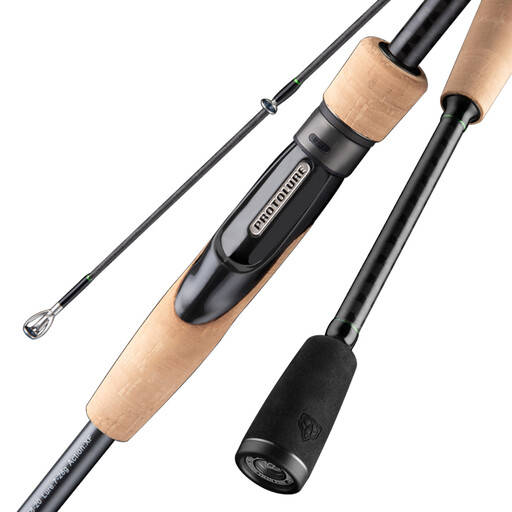
Why This Fits Their Persona: Designed for anglers who move between freshwater and saltwater venues and want a rod listed specifically for sea bass fishing.
Its stated freshwater and saltwater use makes the intended venue clearer than a generic rod listing, although buyers should still verify lure range and care instructions.
Two-section format; listed for freshwater and saltwater fishing; sea bass focus.
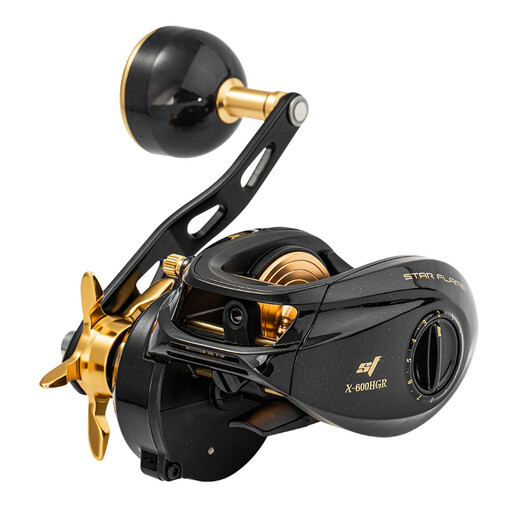
Why This Fits Their Persona: A consideration for anglers targeting larger fish or fishing open banks where reel capacity and casting distance are important selection factors.
The heavy-duty and long-casting positioning gives a clearer use case, but buyers should confirm spool capacity, drag details and rod balance before ordering.
Long-casting reel format; heavy-duty big-fish positioning.
A simple lure setup usually combines a rod with a compatible spinning reel, PE braided fishing line as the main line and a fluorocarbon leader. Check that the reel seat, line rating and lure range correspond before buying.
For river and lake fishing, an ECOODA SXF Shadow Seeking spinning reel may be worth comparing with the SXF Shadow Tracer spincast-style listing, depending on your preferred casting method. For stronger shore or boat applications, a fishing gimbal can provide a belt or support point, but confirm its dimensions and intended use before purchase.
Inspect product pages for the precise model, variant, line size and quantity. ECOODA listings may appear in similar colours or with repeated product titles, so the trailing product number and selected option matter when ordering.
We have compiled a complete, real-time list of products that fully satisfy these strict selection criteria and UK safety regulations.
Neither is universally suitable for every setup. PE braid offers a narrow-diameter main-line option, while fluorocarbon is often selected for leader use and abrasion-focused applications. Check the line rating, diameter and knot compatibility for your rod and target species.
It can be possible when the lure range and rod action suit both types of fishing, but bass and trout environments can differ considerably. Verify the rod’s casting weight, length, line recommendation and venue suitability rather than relying on the species names in the listing.
Keep grit away from the spool and handle, loosen the drag after use where appropriate and rinse saltwater-used equipment gently with fresh water. Dry it before storage and follow the product care instructions. Regularly inspect the line, guides and connection knots, replacing worn components before they affect a fishing session.