
24/7 Customer Support

Free returns

Same-day & Next-day Delivery

Quality Guaranteed

Unlock Your Welcome Offers: FREE Delivery | Up to 80% OFF | Free 30-day JoyPlus trial
Download the APP
Choosing ECOODA fishing rods and reels can be more complicated than it first appears. Product titles often mention carbon construction, lure casting or saltwater use, but those terms do not automatically tell you whether a set-up suits your fishing style.
For UK anglers, the right choice depends on the target species, venue, lure or bait weight, transport needs and how much exposure the equipment will have to rain, spray and salt. This guide explains the main buying pitfalls and highlights suitable options for freshwater and coastal fishing.
A trout rod, carp fishing rod and sea bass rod are designed around different fishing demands. Light lure work usually benefits from a responsive, manageable rod, while larger carp or surf applications may require a different length and casting capacity.
A rod described as suitable for both freshwater and saltwater fishing may offer useful versatility, but you should still check its casting range, rod length, sections and recommended line strength before ordering.
“Carbon” describes a material category, not the entire performance profile. Two carbon fishing rods can feel very different depending on their construction, action, guides and fittings. A carbon rod may be convenient for lure fishing, but it still needs to match the weight of the lures being used.
Likewise, Fuji SIC guides are a named guide feature on one ECOODA lure rod, but buyers should not assume that every model in the range uses the same components. Always read the individual product listing rather than relying on a brand-wide assumption.
A spinning reel, casting reel and spincast fishing reel are not interchangeable in use. A spinning reel is commonly paired with a spinning rod, while a casting reel requires a compatible casting rod and a casting technique that suits the angler.
Also check spool capacity, retrieve ratio, drag information and corrosion-care instructions. A lightweight fishing reel may be comfortable for stream or lake work, but a surf spinning reel needs to be selected for the heavier line, casting loads and coastal conditions involved.
For a lure fishing rod, action affects how the rod loads during a cast and how it responds when working a lure. A bass rod intended for freshwater may suit pike-sized or bass-style lure work, while a sea bass rod may be configured for coastal lure fishing and heavier conditions.
Look for a product description that clearly identifies:
If these details are missing, avoid guessing. A rod with no clearly stated casting information may be difficult to match safely with your existing tackle.
A carbon fishing rod can provide a relatively light format, but construction details should be considered alongside durability and care. Guides influence line movement and should be checked for secure attachment and suitability for the line type you plan to use.
The ECOODA Carbon Lure Rod specifically lists Fuji SIC guides and O-ring guide construction in its product name. This gives buyers a clear component detail to compare with other listings, although the full specification should still be checked on the product page.
Match the reel to the rod design:
After sea fishing, rinse equipment with fresh water and dry it thoroughly. Do not assume that a reel described for surf or saltwater use is maintenance-free.
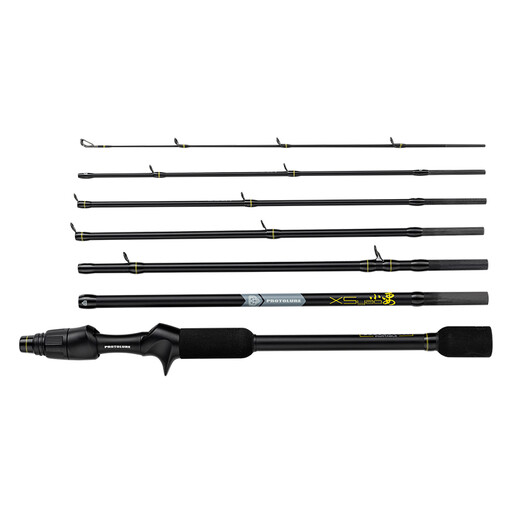
Why This Fits Their Persona: A straightforward option for beginners building a freshwater lure set-up for rivers, lakes and general bass-style fishing.
Its product name identifies both carbon construction and freshwater lure use, making the intended application clearer than a generic rod listing.
Carbon construction; product description specifies freshwater lure fishing.
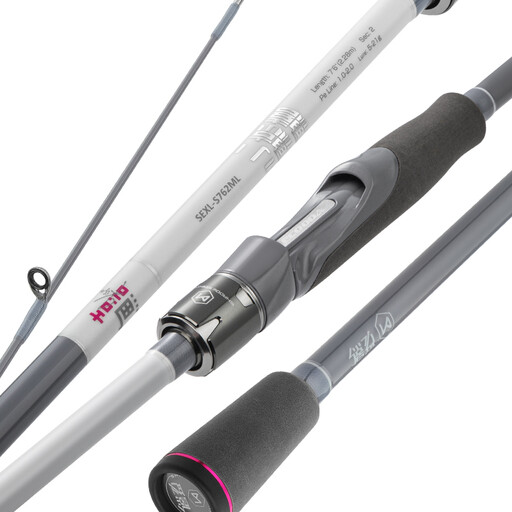
Why This Fits Their Persona: Suits anglers who want named guide components and a rod covering several listed species, from trout and bass to carp applications.
The listing identifies Fuji SIC guides and O-ring construction, giving you specific features to verify rather than relying only on vague quality language.
Carbon lure rod; Fuji SIC guides and O-ring guides are specified in the product name.
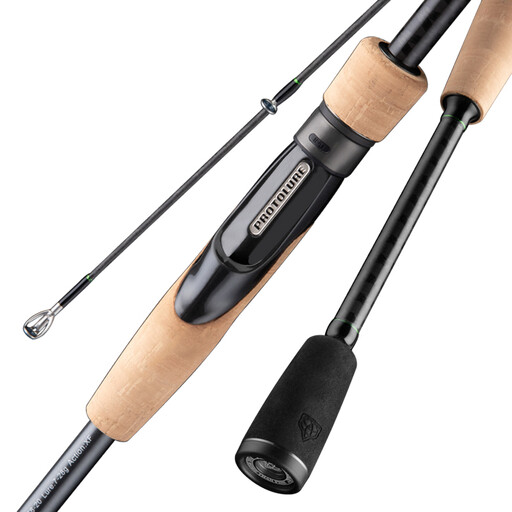
Why This Fits Their Persona: A practical format for anglers moving between UK freshwater venues and coastal sea bass sessions who value a two-piece rod.
Its title states two-piece construction and freshwater and saltwater use, helping you assess transport and venue suitability before purchase.
Two-piece format; product name specifies sea bass and dual-environment fishing.
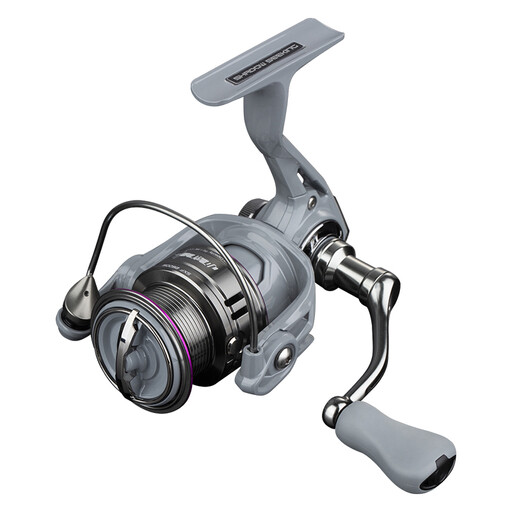
Why This Fits Their Persona: Appropriate for anglers focused on stream and lake lure casting who are comparing reel formats for a simple freshwater set-up.
The product title identifies stream, lake and lure casting use, reducing the risk of choosing a reel intended for a different fishing environment.
Spincast format; listing identifies stream, lake and lure casting applications.
We have compiled a complete, real-time list of products that fully satisfy these strict selection criteria and UK safety regulations.
Some listed models are described for both environments, including the ECOODA Protolure CC sea bass rods. However, suitability depends on the exact model and its specifications. Rinse the rod and reel with fresh water after saltwater use, then dry them before storage.
Choose a spinning reel when using a compatible spinning rod and when you want a familiar set-up for general freshwater or light coastal lure fishing. A casting reel requires a compatible casting rod and may suit anglers who already use baitcasting equipment. A spincast reel is another option for straightforward stream and lake lure casting.
Lifespan depends on handling, storage, impact, guide condition and whether the rod is used within its stated lure and line limits. Avoid high-sticking, protect the sections during transport and inspect guides regularly. Saltwater users should rinse equipment after each session to help reduce corrosion and residue.