
24/7 Customer Support

Free returns

Same-day & Next-day Delivery

Quality Guaranteed

Unlock Your Welcome Offers: FREE Delivery | Up to 80% OFF | Free 30-day JoyPlus trial
Download the APP
Choosing a lure rod for both coastal and inland fishing sounds straightforward until the marketing claims start to blur important differences. A rod described as suitable for sea bass may not automatically suit lighter freshwater lures, while a carbon blank or premium guide name does not tell you whether the model matches your tackle, transport needs or fishing conditions.
The ECOODA Protolure CC two-piece sea bass rod is designed for anglers comparing a versatile freshwater and saltwater fishing rod. Before purchasing, check the points below to avoid paying for features that do not suit your fishing style.
A freshwater and saltwater fishing rod can be convenient, but the phrase alone does not explain its intended lure weight, length, action or power. Sea bass fishing from a shore mark often requires different handling from casting small lures for trout or perch in a canal.
Check the full product listing for the model variant and technical specifications before ordering. A two-section sea bass rod is particularly useful for transport, but the assembled length still needs to fit your preferred fishing location and storage space.
A carbon lure rod may offer a lighter construction than many basic alternatives, but carbon grade, blank design and rod action can vary considerably. Marketing descriptions sometimes highlight “carbon” without explaining how the rod loads during a cast or responds when working a lure.
For beginners, a rod that is too stiff can make light lures difficult to cast. For heavier saltwater use, an excessively soft or light model may not provide the control you expect. Match the rod to your lure range and target species rather than choosing by material name alone.
Guide design affects line movement, casting smoothness and long-term care. The ECOODA range includes listings referring to Fuji SIC guides and O-ring guides, but you should confirm the exact guide configuration for the product variation you select.
Salt deposits can damage guide frames, reel seats and fittings if they are not rinsed after coastal use. Even a rod listed for saltwater fishing still benefits from a gentle freshwater rinse, thorough drying and storage with the sections separated.
A two-piece rod separates into two sections for easier storage in a car, shed or tackle bag. Check how the sections join, whether the ferrule is secure and whether the travel length is practical for your routine. This format is especially helpful for UK anglers travelling between rivers, reservoirs, piers and beaches.
Sea bass, sea bream, trout, carp and freshwater bass can require different lure presentations. A bass fishing rod intended for larger saltwater lures may not be comfortable with small trout lures, while a light trout and carp rod may not provide the control needed around rough coastal ground.
Look for the manufacturer’s stated casting weight, rod power and action. These are more useful than general phrases such as “professional” or “high performance”. If the listing does not show a specification you consider essential, contact the retailer before purchase.
A carbon blank is commonly selected by anglers seeking a responsive lure setup with manageable weight. Fuji SIC guides, where specified for the chosen model, are a recognisable guide feature; however, guide quality does not replace correct line choice or maintenance.
For saltwater use, rinse the rod with clean water after each outing. Avoid high-pressure sprays, dry the rod fully and inspect the guides for salt or grit before winding the line away. These simple steps can reduce avoidable wear.
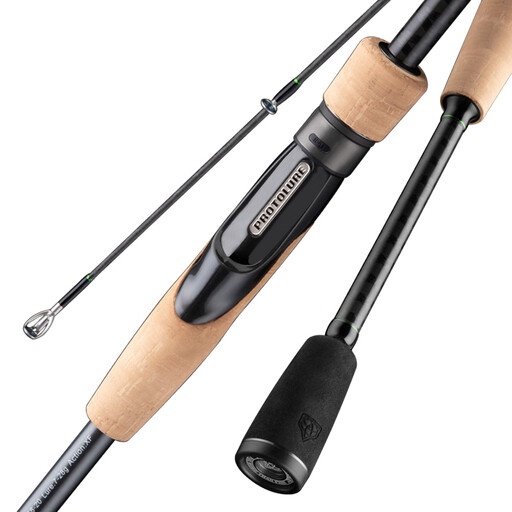
Why This Fits Their Persona: A two-section format gives new anglers a practical option for transporting one rod between local freshwater venues and occasional coastal trips.
Its listed freshwater and saltwater use is more relevant than choosing a rod solely from a generic carbon description.
Two-section construction; listed for both freshwater and saltwater fishing.
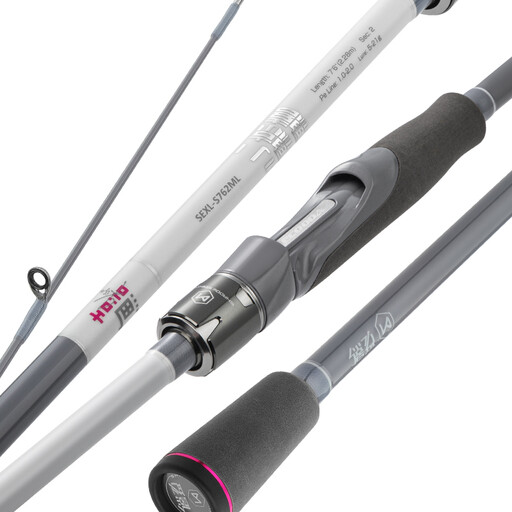
Why This Fits Their Persona: Suits anglers who want a carbon lure rod with named guide features for varied bass, trout and carp lure sessions.
The listing identifies Fuji SIC and O-ring guide features, giving buyers specific components to compare rather than relying on vague quality language.
Carbon construction listed; Fuji SIC and O-ring guides specified in the product name.
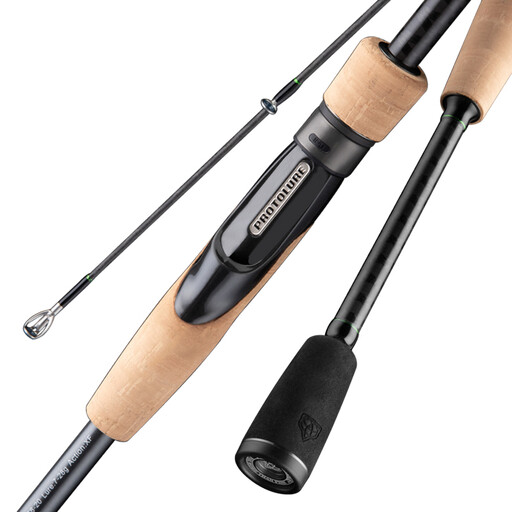
Why This Fits Their Persona: A useful match for anglers who divide their time between sea bream outings and freshwater fishing and prefer one two-piece setup.
Its product description clearly states two-piece construction and freshwater and saltwater suitability, rather than implying versatility from appearance alone.
Two-piece sea bream rod format; listed for freshwater and saltwater fishing.
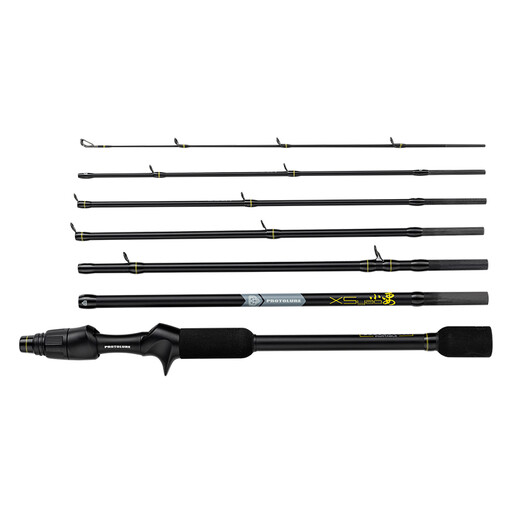
Why This Fits Their Persona: This option is more directly aligned with anglers concentrating on freshwater lure fishing for bass and similar species.
It avoids paying for saltwater versatility if your regular fishing takes place on lakes, rivers or canals.
Carbon bass rod listing; specifically described for freshwater lure fishing.
We have compiled a complete, real-time list of products that fully satisfy these strict selection criteria and UK safety regulations.
It may suit beginners who want one rod for occasional freshwater and coastal lure fishing, provided the selected model’s length, action and casting-weight range match the lures they plan to use. Check these specifications before adding a reel and line.
The relevant ECOODA Protolure CC listings are described as suitable for freshwater and saltwater fishing. After use at sea, rinse the rod with clean water and dry it before storage. This care is important for guides, fittings and reel connections.
Lifespan depends on casting loads, transport, storage and maintenance rather than a fixed period. Avoid leaning the rod against hard edges, do not force a stuck ferrule and inspect the blank and guides regularly. Replacing damaged line or guide components early can also help prevent further wear.