
24/7 Customer Support

Free returns

Same-day & Next-day Delivery

Quality Guaranteed

Unlock Your Welcome Offers: FREE Delivery | Up to 80% OFF | Free 30-day JoyPlus trial
Download the APP
Navigating the world of skincare when you have dry, sensitive or eczema-prone skin can be a frustrating experience. The shelves are filled with products making bold claims, but finding a cream that provides genuine, lasting relief without causing further irritation is a common challenge. Many of us have a collection of half-used tubs that promised comfort but delivered disappointment.
As the Joybuy Product Recommendation Officer, my role is to help you see past the marketing clutter. Before you spend another pound, let's look at the common pitfalls that UK shoppers encounter when buying an eczema cream and how to avoid them.
To make an informed choice, it helps to understand what makes a sensitive skin moisturiser truly effective. Focus on these key factors rather than just the claims on the front of the pot.
These three components are the pillars of a good moisturiser. An effective emollient cream for conditions like eczema or dermatitis needs a thoughtful blend of all three.
A well-balanced formula ensures that moisture is both drawn to the skin and sealed in, providing lasting itchy skin relief.
The ingredients list is your most reliable guide. When searching for a cream for very dry skin, psoriasis or eczema, look for simple, proven ingredients.
Not all creams are created equal. Consider who will be using it and where.
Instead of a one-size-fits-all approach, we've matched some suitable products to different user needs. This helps you find a solution that fits your specific lifestyle and skin concerns.
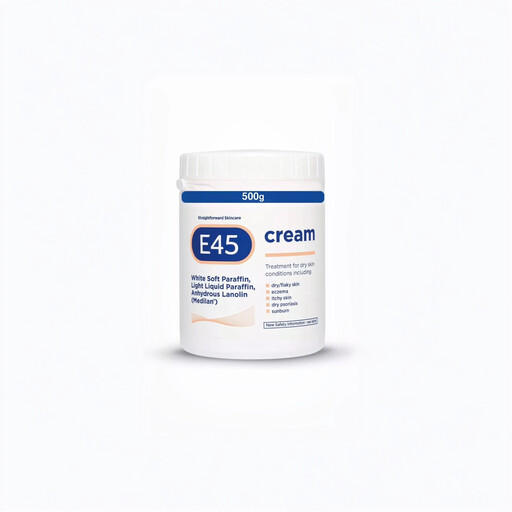
Why This Fits Their Persona: This user needs a reliable, no-nonsense and economical solution for the whole family. The large 500g tub offers great value and is perfect for managing everyday dryness, dermatitis or eczema flare-ups for adults and children (over one month) alike. It's a trusted household name for a reason.
It avoids the "miracle ingredient" trap by relying on a clinically referenced, straightforward formula of white soft paraffin, light liquid paraffin and lanolin. It is fragrance-free and dermatologically tested, steering clear of hidden irritants.
Its non-greasy emollient formula is effective for a range of dry skin conditions. It's suitable for use across the family, simplifying the shopping list.
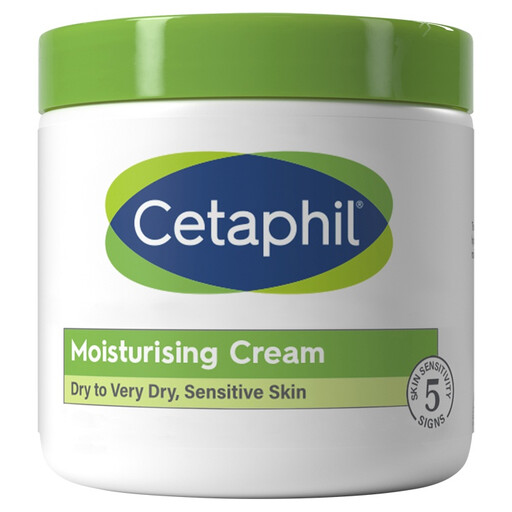
Why This Fits Their Persona: This user is interested in skincare science and looks for ingredients that actively support skin health. They need a cream that not only moisturises but also helps repair the skin's natural defences. This formula is ideal for their face and body.
It avoids the texture fallacy by being non-comedogenic and non-greasy, proving that an effective cream doesn't need to feel heavy. It is also fragrance-free, avoiding the hidden irritant pitfall entirely.
Enriched with niacinamide (Vitamin B3) and panthenol (Pro-Vitamin B5). According to the brand, it is clinically proven to restore the skin's natural moisture barrier in one week.
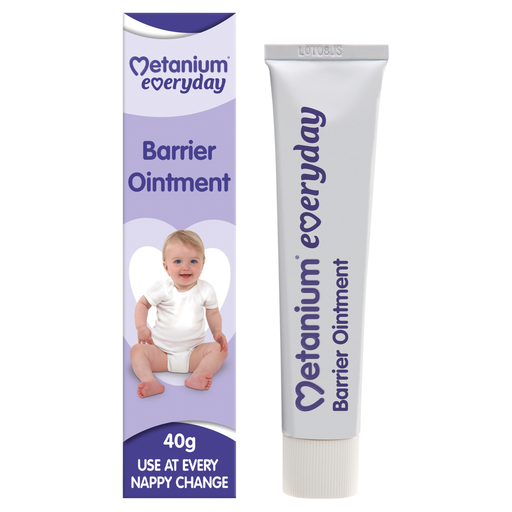
Why This Fits Their Persona: This parent is looking for a preventative solution for their baby's delicate skin. Their priority is protecting against the common causes of irritation, like nappy rash, which can be particularly problematic for babies with sensitive or eczema-prone skin.
This is not a general moisturiser but a specific barrier ointment. It avoids confusion by having a clear purpose: prevention. Its formula is free from fragrance, colour and lanolin, eliminating the most common irritants for newborn skin.
Specifically designed for daily use from birth to form a protective barrier on the skin. The ointment formulation provides robust protection against moisture and irritants.
We have compiled a complete, real-time list of products that fully satisfy these strict selection criteria and UK safety regulations.
For dry skin conditions, consistency is key. You should apply your emollient cream liberally and frequently. A good rule of thumb is to apply it at least twice a day and always after bathing or showering. Pat your skin gently with a towel, leaving it slightly damp, and then apply the cream to lock in that moisture.
In many cases, yes. If a cream is labelled as non-comedogenic and is fragrance-free, it is often suitable for both face and body. However, some people find that richer body creams can feel too heavy on their face. It is always a good idea to perform a patch test on a small area of your face first to see how your skin reacts.
Both can be effective, but they serve slightly different purposes. Creams are a blend of oil and water, absorb relatively quickly, and are great for all-over daily use to maintain hydration. Ointments are predominantly oil-based, creating a more substantial occlusive barrier. They are excellent for providing intensive relief to very dry, thickened or chapped patches of skin, and are often applied at night to work undisturbed.