
24/7 Customer Support

Free returns

Same-day & Next-day Delivery

Quality Guaranteed

Unlock Your Welcome Offers: FREE Delivery | Up to 80% OFF | Free 30-day JoyPlus trial
Download the APP
Dealing with eczema or severely dry skin can be a frustrating cycle of itching, discomfort and searching for a product that brings genuine relief. The UK market is filled with creams, lotions and balms all promising to be the solution. However, navigating the marketing claims to find an effective eczema cream can feel overwhelming. As a Joybuy Product Recommendation Officer, my role is to help you understand what truly matters in a dry skin treatment, so you can make an informed choice without falling into common traps.
Many people find themselves disappointed with products that either don't work or, worse, aggravate their skin. This often comes down to a few key pitfalls:
To avoid these issues, focus on the fundamental aspects of the product's formulation. Here are the core parameters to analyse when selecting a sensitive skin moisturiser.
An emollient cream is the cornerstone of managing dry skin conditions like eczema and psoriasis. Emollients work by filling the gaps between skin cells, helping to smooth, soften and hydrate the skin. They also form a protective layer on the surface to lock in moisture and keep irritants out. They generally come in three main forms:
For skin prone to eczema, what is not in the cream is just as important as what is. Always check the label for common triggers. A truly gentle formula should be:
Based on these practical criteria, we have identified several products that align with the needs of different users. Instead of a one-size-fits-all approach, these recommendations are matched to specific situations and priorities.
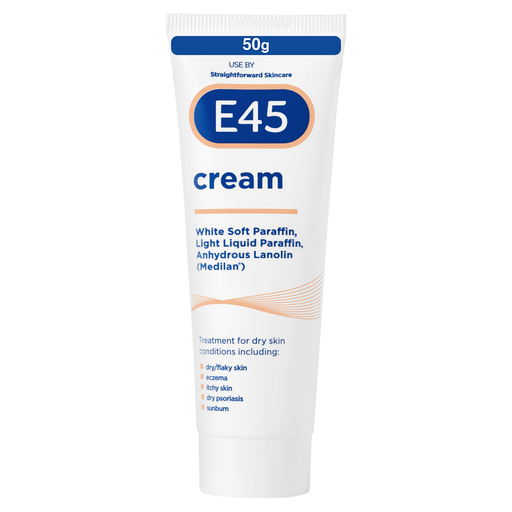
Why This Fits Their Persona: This is a go-to choice for UK households needing a reliable, no-fuss emollient. Its gentle formulation is suitable for managing dry skin conditions across all ages, from adults with psoriasis to infants with sensitive skin, making it a versatile bathroom cabinet staple.
It is completely free from perfumes and unnecessary additives, directly countering the fragrance trap. Its reputation is built on its simple, effective emollient properties, not on hyped "miracle" ingredients.
Its non-greasy emollient formulation is dermatologically tested and can be used to treat a range of dry skin conditions. The formula, which includes anhydrous lanolin (Medilan), helps to restore the skin's natural barrier.
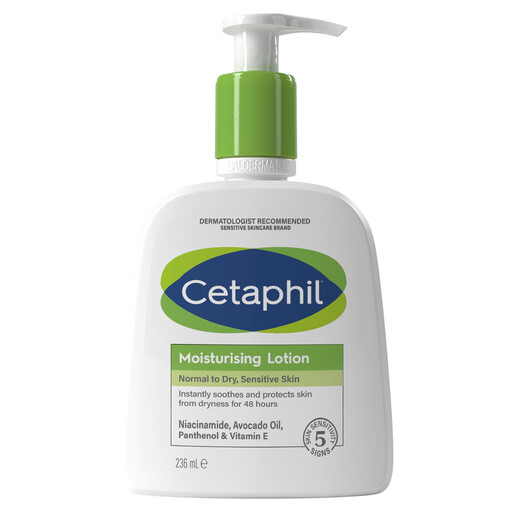
Why This Fits Their Persona: Ideal for someone who needs a reliable daily moisturiser to keep sensitive skin balanced and prevent dryness. Its lightweight texture makes it perfect for applying all over the body after a morning shower without leaving a heavy or sticky feeling.
This lotion is fragrance-free and non-comedogenic (won't clog pores), making it a safe choice for both face and body. It focuses on a blend of functional ingredients rather than a single "miracle" one.
It's a lightweight lotion that provides long-lasting hydration. According to the brand, it is clinically proven to fully restore the skin's natural moisture barrier in one week and provides 48-hour protection against dryness.
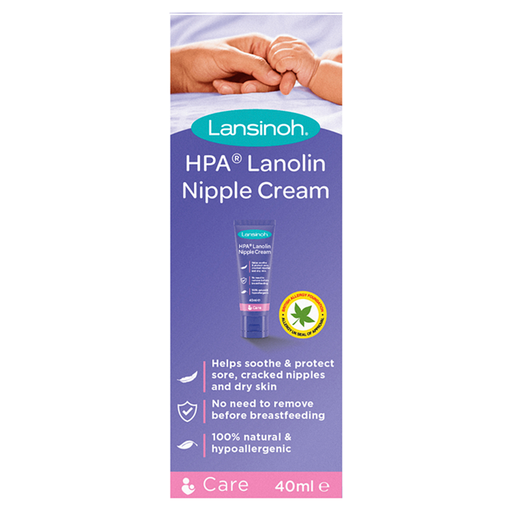
Why This Fits Their Persona: While marketed for new mothers, this is an excellent multi-purpose balm for anyone needing intense, targeted relief for small areas of very dry, chapped or cracked skin, such as on knuckles, elbows or lips.
It has only one ingredient: 100% pure HPA Lanolin. This completely avoids the risk of irritation from fragrances, preservatives or other additives. It is the definition of a simple, effective formulation.
The ultra-pure, single-ingredient formula is hypoallergenic and creates a highly effective moisture barrier to protect skin and promote its natural healing process. It is safe enough that it does not need to be removed before breastfeeding.
We have compiled a complete, real-time list of products that fully satisfy these strict selection criteria and UK safety regulations.
Here are answers to a few common questions people have when managing dry skin.
For general maintenance, it is advisable to apply an emollient at least twice a day. During a flare-up or if your skin is particularly dry, you should apply it more frequently. One of the most effective times to moisturise is immediately after a bath or shower, as this helps to lock in the moisture while your skin is still damp.
This depends on the product's formulation. Thicker ointments can sometimes feel too heavy or block pores on the face (comedogenic). Lighter creams or lotions, especially those labelled "non-comedogenic," are often suitable for both. Always check the product's instructions and if you have acne-prone skin, it may be better to use a product specifically designed for the face.
The terms are often used interchangeably, but there is a subtle difference. "Moisturiser" is a broad category of products designed to hydrate the skin. "Emollient" refers to a specific type of ingredient within a moisturiser that works by softening the skin and forming a protective film. Most effective creams for dry skin are rich in emollients.