
24/7 全天候客户支持

免费退货

当日/次日达

品质保障

开启新人专享福利: 全场免邮 | 低至 2 折 | 免费试用 30 天 JoyPlus 会员
下载 Joybuy
Dealing with dry, itchy and uncomfortable skin is a challenge many of us in the UK face, whether it's for ourselves, our children or elderly relatives. The search for an effective eczema cream can feel overwhelming, with shelves full of products making bold promises. As a Joybuy Product Recommendation Officer, my role is to help you navigate this market, focussing on what truly matters for soothing and protecting sensitive skin.
Before you make a purchase, it's important to be aware of a few common pitfalls that can lead to disappointment and wasted money.
To make an informed choice, it helps to understand the core components of a high-quality dry skin cream. Here are the essential parameters to look for.
The foundation of any good eczema cream is its function as an emollient. An emollient cream is designed to soften the skin and create a protective layer on the surface. This barrier serves two purposes: it locks in moisture to prevent the skin from drying out further and it shields the skin from external irritants.
Look for key emollient ingredients such as:
These ingredients are proven to be effective in managing dry skin conditions and are the workhorses of many trusted formulations.
While emollients provide the base for hydration and protection, some creams include active ingredients to address specific symptoms. If intense itching is your main concern, a standard moisturiser may not be enough.
For an effective itch relief cream, look for ingredients like Lauromacrogols, which acts as a topical anaesthetic to soothe the sensation of itching. For extra hydration, Urea is another excellent ingredient that helps the skin retain moisture. This is particularly useful in a cream for dermatitis where the skin barrier is compromised.
For a product to be a reliable sensitive skin moisturiser, it must be formulated to minimise the risk of irritation. This means checking for labels like:
This is especially critical when choosing a nappy rash cream or a daily moisturiser for a baby, whose skin is far more delicate and permeable than an adult's.
Based on these practical criteria, we've matched a few standout products to specific user needs.
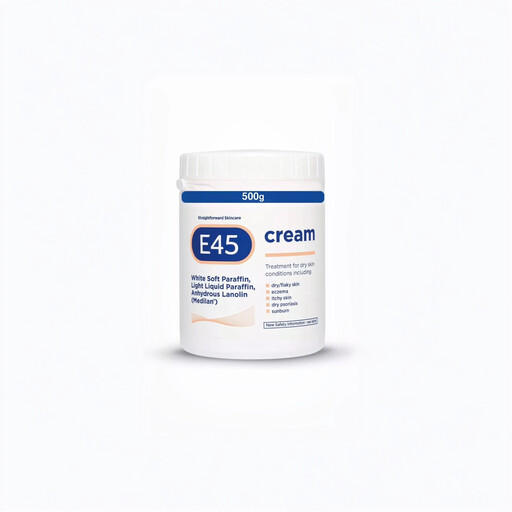
Why This Fits Their Persona: This is a versatile, reliable emollient suitable for managing general dryness and mild eczema for all ages (infants over one month). Its non-greasy formula makes it a practical staple for any UK family bathroom cabinet.
It's not a "miracle cure" but a clinically proven emollient for managing symptoms. Being fragrance-free, it avoids one of the most common irritants found in skincare.
Features a triple active moisturising system with paraffin and lanolin. Its gentle, dermatologically tested formula is suitable for the whole family.
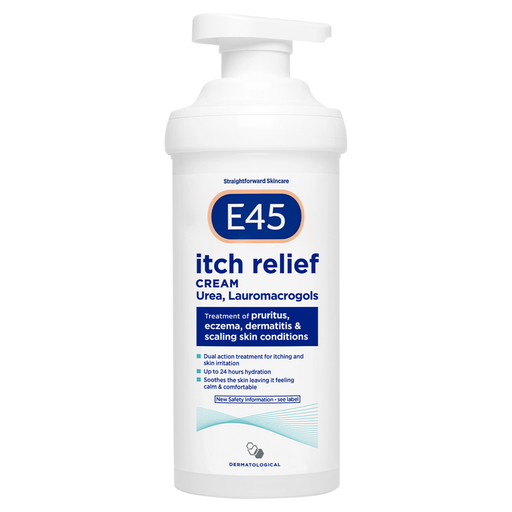
Why This Fits Their Persona: Ideal for those whose primary complaint is the persistent, frustrating itch associated with eczema and dermatitis. The large pump dispenser is practical for frequent, hygienic application during a flare-up.
This cream moves beyond vague marketing by containing specific active ingredients, Lauromacrogols and Urea, for a targeted purpose: soothing itch and hydrating skin.
Its dual-action formula addresses both itching and dryness simultaneously. It is formulated to provide up to 24-hour hydration to keep skin calm.
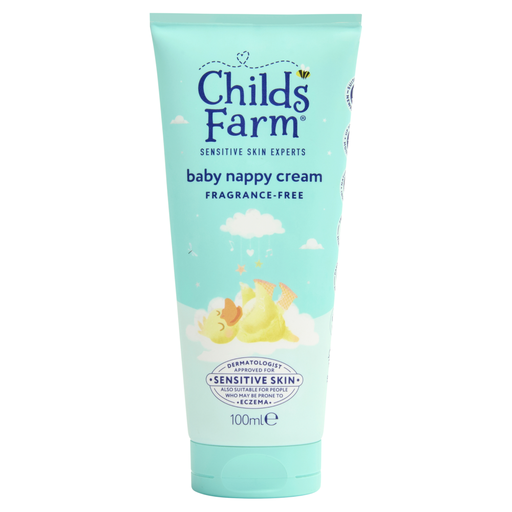
Why This Fits Their Persona: Perfect for parents seeking a gentle but effective barrier cream for daily nappy changes. It is specifically formulated for the delicate skin of newborns and babies to help prevent nappy rash.
Instead of just being labelled "natural," this cream is clinically proven to be kind to skin. It avoids harsh chemicals and fragrances, focussing on clearly listed, soothing ingredients like aloe vera and shea butter.
The formula is approved by dermatologists and paediatricians. It is fragrance-free, mineral oil-free and provides up to 24-hour moisturisation.
We have compiled a complete, real-time list of products that fully satisfy these strict selection criteria and UK safety regulations.
For best results, emollients should be applied liberally and frequently. A good routine is to apply it at least twice a day and always after bathing or washing your hands, to lock in moisture while the skin is still slightly damp. During a flare-up, you may need to apply it more often.
Many emollient creams are formulated to be gentle enough for both face and body. However, facial skin can be more sensitive. Always check the product label for specific instructions. If a cream feels too heavy or greasy for your face, you might prefer a lighter lotion or a product specifically designed for facial use.
The main difference is the oil-to-water ratio. Ointments have a higher oil content, making them thicker, greasier and very effective at holding moisture in the skin. They are excellent for very dry, thick or scaly skin, and are often recommended for overnight use. Creams have a more balanced blend of oil and water, are less greasy and are absorbed more quickly, making them a popular choice for daytime use.