
24/7 Customer Support

Free returns

Same-day & Next-day Delivery

Quality Guaranteed

Unlock Your Welcome Offers: FREE Delivery | Up to 80% OFF | Free 30-day JoyPlus trial
Download the APP
Edamame beans are young soybeans with a mild, slightly sweet flavour and a firm bite. They can be served as a Japanese edamame snack, added to stir-fries and salads, or used in soups, rice bowls and hot pots. For vegetarians and vegans, they are also a convenient plant-based protein ingredient.
However, not every pack suits every kitchen. A frozen product in pods is useful for sharing, while shelled edamame saves preparation time. Dried soybeans offer flexibility but require soaking and cooking. Checking the format, ingredients and storage instructions before buying helps prevent waste and disappointing results.
Edamame in pods includes the outer shell, which is not normally eaten. A 500g bag of in-pod soybeans will provide less edible bean weight than a 454g bag of shelled edamame. If you are preparing a salad or stir-fry and need a predictable quantity, shelled edamame may offer better convenience.
Pods are more suitable for appetisers, sharing plates and traditional Japanese-style snacking. They also create a slower eating experience, as the beans are squeezed or bitten from the shell.
Frozen edamame usually requires cooking before consumption. Product instructions vary: some packs recommend boiling for around 4–5 minutes, while others specify 5–8 minutes. Ready-salted versions may still need thorough heating.
Dried soybeans are a different ingredient altogether. They generally need soaking followed by proper cooking, and they are not a direct substitute for frozen edamame in a quick weekday meal.
Soybeans are a regulated allergen in the UK. Always read the packaging and ingredient list, particularly when buying mixed bean curd products, fish cakes or seasoned snacks.
A plain product may contain only soybeans, while a salted or prepared option can include salt, oil, fish, egg, wheat or other seasonings. For example, edamame-based fish cakes and beancurd rolls are not suitable for a vegan diet simply because they contain green soybeans.
Choose the format according to how you plan to use it:
For a simple everyday ingredient, look for soybeans or edamame listed as the main or only ingredient. Plain options such as frozen shelled edamame can be easier to incorporate into different cuisines and dietary plans.
Check whether a product is salted. Yutaka Ready Salted Edamame, for instance, contains soybeans and salt, while plain frozen products may allow you to control seasoning at home. Also check compound products carefully: Kibun Edamame Chigiri contains fish, egg and soybeans, so it is not a vegan Asian ingredient.
Pack size should match your freezer space and cooking frequency. Common sizes in the UK range from 350g to 500g for frozen edamame, while dried tofu and soybean products may be sold in larger 1kg packs.
Nutrition panels can help compare products, but values may differ according to whether the figures refer to pods, shelled beans or prepared food. For example, product information for several plain frozen edamame options lists roughly 11–12g of protein per 100g, while dry-roasted edamame has a more concentrated nutrition profile because moisture has been removed.
Frozen goods should be returned to the freezer promptly. Once thawed, follow the pack’s refrigeration and consumption guidance, and never refreeze a product where the label says not to do so.
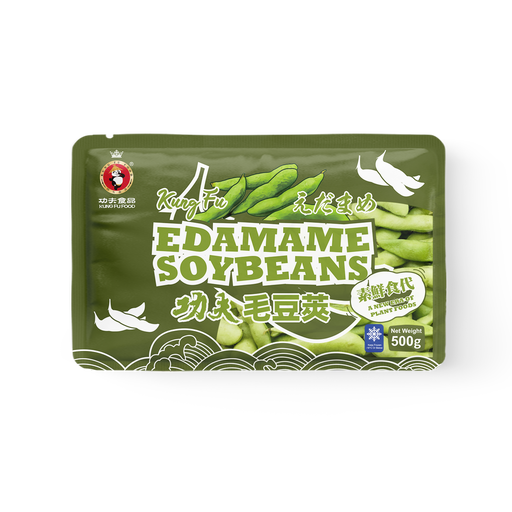
Why This Fits Their Persona: A 500g pod format gives newcomers a straightforward way to serve edamame as a side dish or snack without buying several small packs.
The listing clearly identifies the product as soybeans in pods and provides boiling instructions, helping buyers avoid treating it as a ready-to-eat food.
Contains 100% edamame beans and is supplied in a useful 500g frozen pack. The product information lists 10.8g protein per 100g.
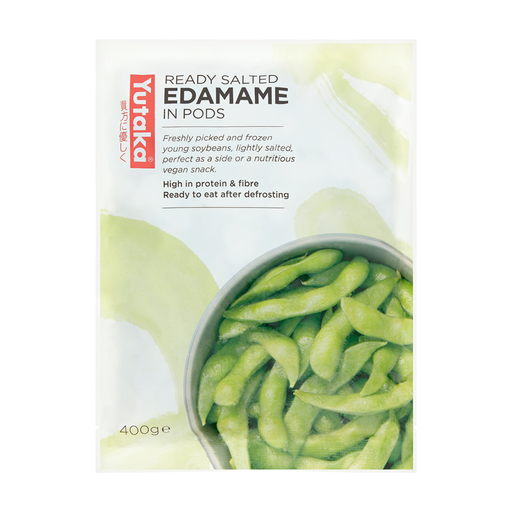
Why This Fits Their Persona: A lightly salted Japanese-style option suits shoppers who want a defined flavour for appetisers, drinks or a quick side dish.
The ingredients specify soybeans and 0.5% salt, so the seasoning level is not hidden behind broad flavour claims.
The 400g pack lists 12.1g protein per 100g and provides separate storage guidance for thawed product.
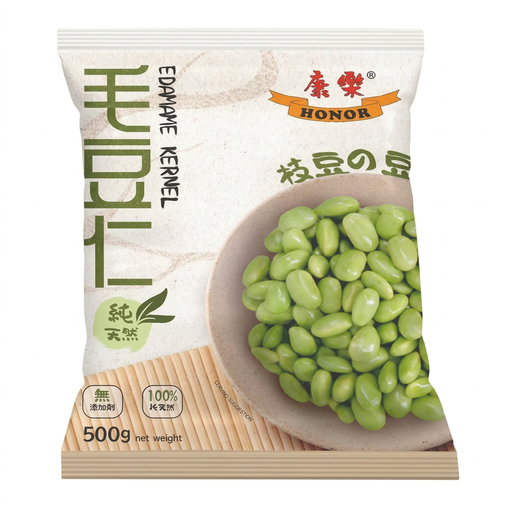
Why This Fits Their Persona: Shelled beans are designed for cooks who regularly prepare stir-fries, salads, rice dishes and soups and want to avoid shell waste.
The product is identified as shelled edamame, removing the common mismatch between pod weight and usable bean quantity.
Contains soybean as the listed ingredient, with a 454g pack size and no listed salt in the supplied nutrition information.

Why This Fits Their Persona: A shelf-stable 100g pack is convenient for office drawers, travel and packed lunches where freezer access is unavailable.
It is clearly a dry-roasted snack rather than a frozen cooking ingredient, so storage and preparation expectations are easy to distinguish.
The pack contains soya beans and salt, with a stated 45g protein per 100g and a crisp roasted texture.
We have compiled a complete, real-time list of products that fully satisfy these strict selection criteria and UK safety regulations.
Read the label before serving, especially when cooking for someone with a soy allergy or following a vegan diet. Products containing fish, egg or wheat need to be assessed separately from plain soybeans.
Usually not. Frozen edamame should be cooked according to the packet instructions before eating. Boiling times commonly range from approximately 4 to 8 minutes. Check the specific packaging, as instructions differ between podded and shelled products.
That depends on how you use them. Shelled edamame reduces preparation time and shell waste, which can make it more practical for recipes. Edamame in pods may be preferable for snacks and sharing, even though part of the pack weight is the inedible shell.
Keep unopened frozen edamame at -18°C or below until the stated best-before date. After thawing, follow the product’s refrigeration guidance, consume within the recommended period and do not refreeze if the label prohibits it.