
24/7 Customer Support

Free returns

Same-day & Next-day Delivery

Quality Guaranteed

Unlock Your Welcome Offers: FREE Delivery | Up to 80% OFF | Free 30-day JoyPlus trial
Download the APP
Edible seaweed has moved from a specialist ingredient to a staple in many UK kitchens and lunchboxes. Whether you're a home cook aiming to perfect your sushi, a parent searching for nutritious snacks or simply curious about adding more umami flavour to your meals, the variety of seaweed products can be overwhelming. From crisp sheets to savoury flakes, choosing the right one depends entirely on what you want to achieve.
As your Joybuy Product Recommendation Officer, my role is to help you navigate the options. This guide offers practical advice and highlights some standout products to help you find the perfect edible seaweed for your needs, without the marketing jargon.
Before you add to your basket, consider these points. Understanding the different forms and what to look for on the label will ensure you get a product that meets your expectations.
The term 'edible seaweed' covers a wide range of products, each designed for a different purpose.
Nori): These are the large, paper-thin sheets most people associate with sushi. Japanese nori sheets are typically used for rolling maki, while smaller, seasoned sheets of Korean seaweed (gim) are often eaten as a snack. Look for roasted seaweed for a crisp texture and deep flavour, ideal for sushi nori.healthy seaweed crisps. They are pre-seasoned and ready to eat, making them a convenient alternative to traditional crisps.Seaweed's base flavour is savoury and oceanic, but the final taste can vary significantly. Unseasoned nori has a subtle, earthy taste perfect for complementing other ingredients in sushi. In contrast, seaweed snacks are available in a huge range of flavours, from simple sea salt to more complex profiles like bulgogi or sriracha. Check the ingredients list to see what seasonings have been used, especially if you are monitoring your sugar or salt intake.
Here are four products that cater to different tastes and uses, from authentic cooking to convenient snacking.
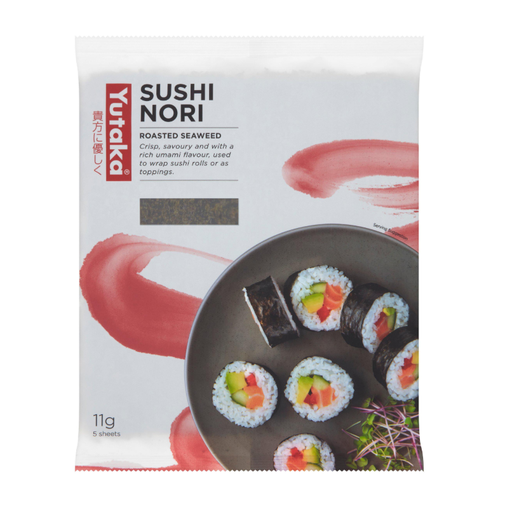
Why It Stands Out: These are classic, high-quality roasted seaweed sheets designed specifically for Japanese cuisine. Their texture is crisp yet pliable, making them ideal for rolling maki sushi or crafting onigiri without tearing. The flavour is authentically rich and savoury.

Why It Stands Out: This product delivers the authentic taste of Korean BBQ in a light, crispy snack. The Korean seaweed is roasted and seasoned with a savoury and slightly sweet bulgogi flavour, offering a satisfying crunch. The multi-pack format keeps each portion fresh.

Why It Stands Out: A unique take on healthy seaweed crisps, these chips are made in Scotland from locally harvested seaweed blended with quinoa. The result is an airy, crunchy chip with a clean, oceanic flavour enhanced by a touch of sea salt. They are also a natural source of iodine.
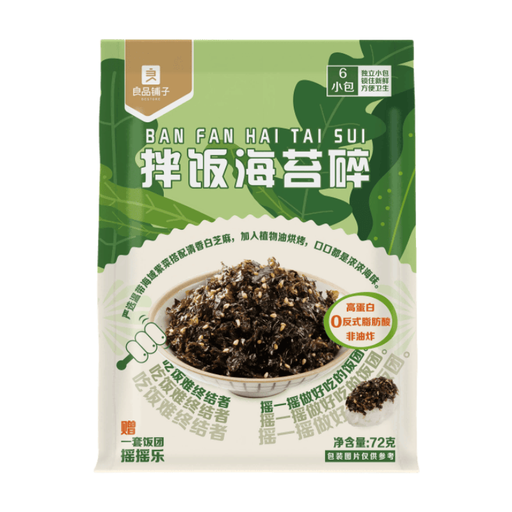
Why It Stands Out: This is a versatile seaweed seasoning that makes it incredibly easy to add flavour and texture to everyday meals. The blend of dried seaweed and toasted sesame seeds provides a nutty, savoury crunch that elevates simple dishes like rice, noodles and even avocado on toast.
If you enjoy the taste of seaweed but prefer an even lighter, crispier texture for snacking, there are other options available. These are often simply roasted and lightly salted, offering a pure seaweed experience.
For more choices in this style, feel free to explore our full range of Seaweed Thins.
1. Is edible seaweed good for you? Seaweed is a nutrient-dense food. It is known for being a source of minerals, particularly iodine, which is important for thyroid function and maintaining normal skin. It also contains vitamins and protein. Different products will have different nutritional profiles, so it's always a good idea to check the label.
2. What does edible seaweed taste like? The fundamental taste of seaweed is 'umami'—a savoury, brothy flavour. Depending on the type and preparation, it can also taste salty, slightly sweet or nutty. Unseasoned nori has a subtle, oceanic taste, while roasted and seasoned snacks can carry a wide variety of flavours from spicy to smoky.
3. How do you use seaweed flakes?Seaweed flakes for rice, often called furikake, are incredibly versatile. The most common use is to sprinkle them directly over a bowl of plain steamed rice. You can also use them to top salads, soups, noodle dishes, steamed vegetables, fish or even popcorn to add a savoury, crunchy finish.