
24/7 Customer Support

Free returns

Same-day & Next-day Delivery

Quality Guaranteed

Unlock Your Welcome Offers: FREE Delivery | Up to 80% OFF | Free 30-day JoyPlus trial
Download the APP
From the crisp, savoury sheets in your sushi to the tender leaves in a warming bowl of miso soup, edible seaweed is a cornerstone of many Asian cuisines and a fantastic addition to a modern UK pantry. However, navigating the world of nori, wakame and kombu can be confusing. With so many options available, it's easy to end up with a product that doesn't suit your recipe or is packed with unwanted additives.
As a Joybuy Product Recommendation Officer, my role is to help you sidestep common shopping pitfalls. Let's look at the frequent mistakes people make when buying edible seaweed and how you can choose the right product for your kitchen with confidence.
To ensure you get a product that delivers on taste and function, focus on these two core parameters.
Not all seaweed is the same. The three most common types you'll find in the UK each have a distinct role in the kitchen.
How the seaweed is prepared and what's added to it makes all the difference.
To help you find the right fit, here are a few recommendations matched to different needs and culinary goals.

Why This Fits Their Persona: This is ideal for anyone seeking a convenient, portion-controlled snack. The individual packs are perfect for lunchboxes or a quick bite on the go, offering an authentic Korean seaweed flavour without committing to a large bag.
It avoids the "healthy snack" trap with a simple ingredient list (seaweed, oils, salt) and pre-portioned servings, which helps manage sodium intake naturally.
Crispy, umami-rich texture. The three-pack format ensures freshness and convenience.
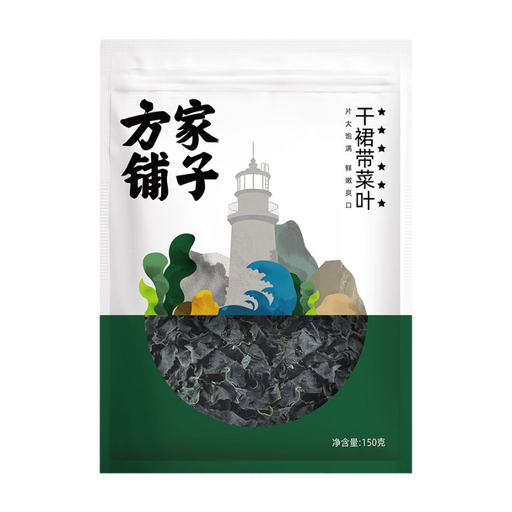
Why This Fits Their Persona: For those wanting to make authentic miso soup or salads, this dried wakame is the perfect pantry staple. It rehydrates in about five minutes, providing the classic silky texture and oceanic flavour essential for these dishes.
This product ensures you are using the correct type of seaweed for soups and salads, avoiding the mistake of using a roasted snack sheet which would disintegrate and offer poor texture.
A large 150g pack offers excellent value for regular use. It's a pure ingredient, allowing you to control the final seasoning of your dish.

Why This Fits Their Persona: Specifically designed as yaki nori for sushi, these full-sized, roasted nori sheets are strong and pliable enough for rolling maki. The delicate toasting process brings out a satisfying crunch and umami flavour.
This product provides the correct format and texture for sushi, preventing the common mistake of trying to use smaller, more brittle snack sheets which are not suitable for rolling.
These are full-sized sheets selected for quality and consistency, making them a reliable choice for home sushi making.
We have compiled a complete, real-time list of products that fully satisfy these strict selection criteria and UK safety regulations.
1. How should I store dried seaweed to keep it fresh? The key to preserving both dried seaweed and roasted snacks is to protect them from moisture and air. Store them in an airtight container in a cool, dark and dry cupboard. Once a pack of roasted seaweed is opened, it's best to consume it quickly to enjoy its intended crispness.
2. Is edible seaweed naturally very salty? Yes, as a product of the sea, seaweed is naturally high in sodium. Seasoned seaweed snacks will have additional salt. If you are using dried wakame or kombu kelp for cooking, you can rinse the seaweed after rehydrating it to remove some of the surface salt before adding it to your dish. Always check the nutritional information on the packaging.
3. What is the difference between Japanese and Korean seaweed snacks? While there are many variations, generally, Korean seaweed snacks (often called gim) are brushed with sesame oil and salt before roasting, giving them a nutty, savoury flavour and a very light, crisp texture. Japanese seaweed snacks (nori) are often seasoned with a soy sauce-based mixture or just salt and can sometimes be slightly thicker.