
24/7 Customer Support

Free returns

Same-day & Next-day Delivery

Quality Guaranteed

Unlock Your Welcome Offers: FREE Delivery | Up to 80% OFF | Free 30-day JoyPlus trial
Download the APP
As a Joybuy Product Recommendation Officer, my role is to help you navigate the crowded online marketplace. With the rising popularity of East Asian cuisine in the UK, edible seaweed has become a pantry staple for many. However, the sheer variety can be overwhelming, and it's easy to make a purchase you'll regret. This guide will help you understand the key differences and select the right product for your kitchen.
Many shoppers find themselves disappointed with their seaweed purchase for a few common reasons. By knowing what to look out for, you can avoid wasting money on a product that doesn't suit your needs.
To ensure you get a product that enhances your meals, focus on these three core parameters.
Understanding the main types of edible seaweed is the first step to success. Each has a distinct texture and flavour profile suited to different dishes.
Your choice here depends on whether you prioritise convenience or control over your ingredients.
A quick look at the back of the packet can tell you a lot. For dried varieties like Chinese kelp or wakame, the ingredient list should be very short—ideally, just "kelp" or "wakame." For seasoned and ready to eat seaweed, pay attention to the sodium content and the types of oils and flavour enhancers used to ensure they align with your dietary preferences.
Based on these practical criteria, here are a few recommendations from our catalogue, matched to different needs and cooking styles.
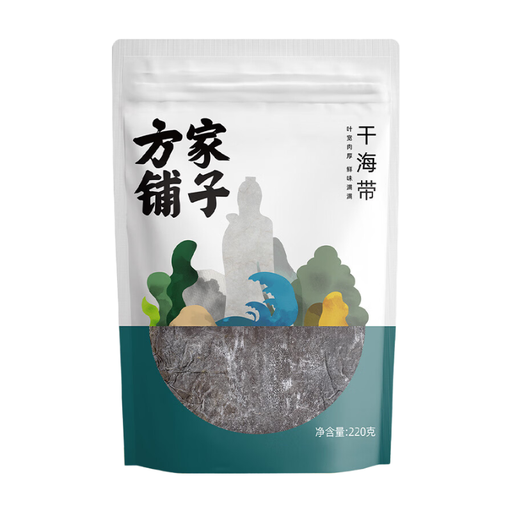
Why This Fits Their Persona: This is a quintessential pantry staple for anyone serious about making authentic East Asian broths, stews or braised dishes. The large 220g pack offers great value for regular use, providing the foundational umami flavour that pre-made stocks often lack.
This is pure dried kelp, clearly intended for cooking, which prevents you from mistakenly buying it as a snack. The single-ingredient list means no hidden additives or excessive sodium.
Excellent for creating deep, savoury broths (dashi). Rehydrates to a firm texture suitable for slow cooking.
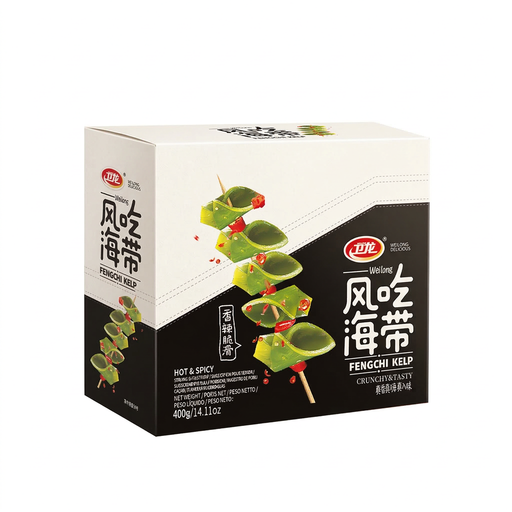
Why This Fits Their Persona: For those seeking a bold, flavourful and ready to eat seaweed snack, this is an ideal choice. The large bag contains 20 individual packs, making it perfect for portion control, lunchboxes or grabbing on the go. It delivers a satisfyingly chewy and spicy kick.
This product is clearly a seasoned snack, not a raw health food, avoiding the "healthy snack trap" of misleading marketing. The detailed ingredient list allows you to make an informed choice about its bold flavour profile.
Convenient, individually wrapped portions. A complex, savoury and spicy flavour profile that is very satisfying.
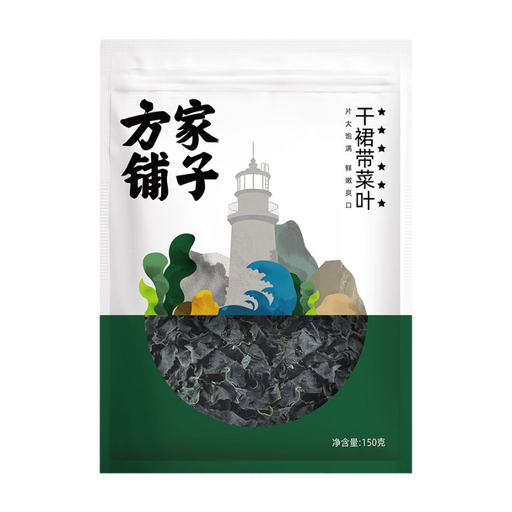
Why This Fits Their Persona: This is the classic seaweed for miso soup. For anyone in the UK wanting to make authentic Japanese soups and salads, this dried wakame is an essential ingredient. It rehydrates in minutes to a tender, silky texture without falling apart.
By being specifically wakame, it prevents the common error of using tough kombu or fragile laver in soups. It avoids the texture letdown by rehydrating consistently to the correct tenderness for soups and salads.
Rehydrates very quickly (approx. 5 minutes). Provides the authentic, tender texture required for classic miso soup.
We have compiled a complete, real-time list of products that fully satisfy these strict selection criteria and UK safety regulations.
1. How should I store dried seaweed to keep it fresh? To maintain its quality, store dried seaweed in a cool, dark and dry place, away from humidity and direct sunlight. An airtight container or a well-sealed bag is ideal. Moisture is the biggest enemy, as it can cause the seaweed to lose its texture and flavour.
2. Is edible seaweed naturally very salty? Yes, as a product of the sea, seaweed is naturally high in sodium. Dried, unseasoned varieties like kombu and wakame have a savoury, briny taste but are not overwhelmingly salty on their own. However, many roasted seaweed snacks and seasoned products have significant amounts of salt added, so it's always wise to check the nutritional information if you are monitoring your sodium intake.
3. What is the main difference between kombu, wakame and laver? In simple terms: