
24/7 Customer Support

Free returns

Same-day & Next-day Delivery

Quality Guaranteed

Unlock Your Welcome Offers: FREE Delivery | Up to 80% OFF | Free 30-day JoyPlus trial
Download the APP
From the satisfying crunch of a savoury snack to the deep umami flavour in a bowl of ramen, edible seaweed has firmly established itself as a staple in many UK kitchens. Yet, as its popularity grows, so does the confusion. Navigating the world of edible seaweed can feel overwhelming, with a vast array of types, textures and tastes on offer.
Many shoppers find themselves disappointed, having bought a product that didn't meet their expectations. This guide, from your Joybuy Product Recommendation Officer, is here to help you sidestep common purchasing mistakes and choose the right seaweed for your needs, whether you're making sushi, seeking a convenient snack or exploring authentic Asian food ingredients.
Before you add that packet to your basket, be aware of a few frequent traps that can lead to a poor culinary experience or wasted money.
To ensure you get the right product every time, focus on these three core parameters. They are the non-negotiable checks that separate a good purchase from a bad one.
Understanding the main varieties is crucial for getting your recipes right. Each has a distinct purpose in Japanese, Korean and Chinese cooking.
Always turn the packet over and read the label. Pay close attention to:
Finally, check whether the product is ready-to-eat or requires preparation.
To make things easier, we've matched some excellent options to different user needs, helping you find the perfect fit for your lifestyle.
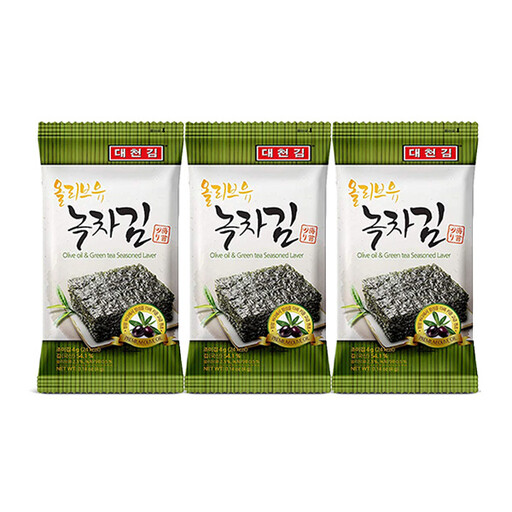
Why This Fits Their Persona: This is the ultimate convenience snack. The individual 'Dosirak' packs are perfectly portioned for lunchboxes, work snacks or a quick, savoury treat at home, satisfying cravings without any preparation.
It sidesteps the "healthy snack illusion" by offering portion-controlled packs, making it easy to manage intake. The clear labelling as a seasoned snack prevents any confusion with cooking-specific seaweed types.
The unique seasoning with olive oil and green tea extract provides a more sophisticated, less overtly salty flavour. It's roasted to a delicate, crispy texture that is consistently enjoyable.

Why This Fits Their Persona: For those wanting to add an authentic Japanese touch to their meals, this furikake is a perfect pantry staple. It effortlessly elevates a simple bowl of rice, noodles or even avocado on toast with a complex, savoury flavour and satisfying crunch.
This product avoids the "type mismatch" pitfall because it is clearly a seasoning blend, not a sheet of seaweed for rolling or adding to soup. Its purpose is unambiguous, ensuring it's used correctly as a finishing touch.
It offers a classic, harmonious blend of roasted sesame seeds, nori and aonori seaweed flakes. This versatility makes it a go-to condiment for adding texture and umami to a huge variety of dishes.
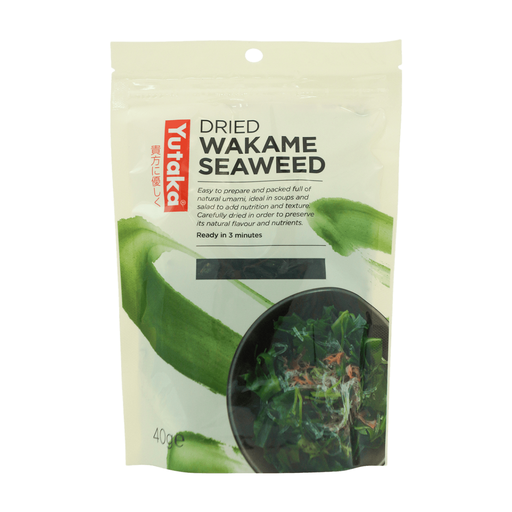
Why This Fits Their Persona: For those who want the nutritional benefits of seaweed without added salt or oil, this is the ideal choice. It's a pure, single-ingredient product that can be added to soups, salads and side dishes, giving the cook complete control over the final seasoning.
This product is the antidote to the "salty snack" trap. As it is simply dried wakame, it contains no hidden oils, sugars or flavour enhancers. Its purpose as a cooking ingredient that requires rehydration is clear.
It is incredibly economical, as the dried flakes expand significantly in water. This 40g pack will last for many meals, providing a versatile and nutritious boost to your cooking.
We have compiled a complete, real-time list of products that fully satisfy these strict selection criteria and UK safety regulations.
For roasted sheets like nori and snack packs, the enemy is moisture. Once a pack is opened, store any leftovers in a sealed, airtight container in a cool, dry cupboard away from sunlight. Consume them quickly to enjoy their intended crispness. For dried varieties like wakame and kombu, an airtight container in a cool, dark place is also sufficient to maintain their quality for a long time.
No, and this is a key point. Using the wrong type will negatively affect your dish. Nori is for rolling and garnishing, wakame is for rehydrating for soups and salads and kombu is for creating flavourful broths. Always match the seaweed type to its traditional culinary role for the best results.
Seaweed is a natural source of various vitamins and minerals, including iodine. As part of a balanced diet, it can be a nutritious addition. However, it's wise to be mindful of seasoned varieties, which can be high in sodium. Always check the nutritional information on the packaging and enjoy them in moderation.