
24/7 Customer Support

Free returns

Same-day & Next-day Delivery

Quality Guaranteed

Unlock Your Welcome Offers: FREE Delivery | Up to 80% OFF | Free 30-day JoyPlus trial
Download the APP
As a Joybuy Product Recommendation Officer, my role is to help you navigate the crowded marketplace. When it comes to edible seaweed, its popularity in UK kitchens has soared, moving from a niche ingredient to a pantry staple. Yet, this boom has brought confusion. Many shoppers find themselves with a product that doesn't suit their recipe or a "healthy" snack that isn't quite what it seems.
Before you add to your basket, let's clear up the two most common pitfalls that lead to a disappointing purchase:
To ensure you get the right product for your needs, focus on these two non-negotiable factors.
The term "seaweed" covers a vast range of marine algae, each with a distinct texture, flavour and use. Knowing the main types is the first step to success.
How the seaweed is prepared determines whether it's ready-to-eat or needs cooking.
Based on clarity of purpose, quality and user feedback, here are a few recommendations matched to different needs.

Why This Fits Their Persona: For the home cook in the UK venturing into making sushi or onigiri, these sheets are the correct, classic choice. They are versatile enough to be used for rolls or cut into strips for garnishing ramen, removing any guesswork.
This product is clearly labelled as 'Yaki Nori' (toasted nori), ensuring you don't accidentally buy tough, uncooked kelp for a delicate task like making sushi rolls.
Delicately roasted for a crisp texture and authentic umami flavour. The 10-sheet pack is a great starting point for home use.
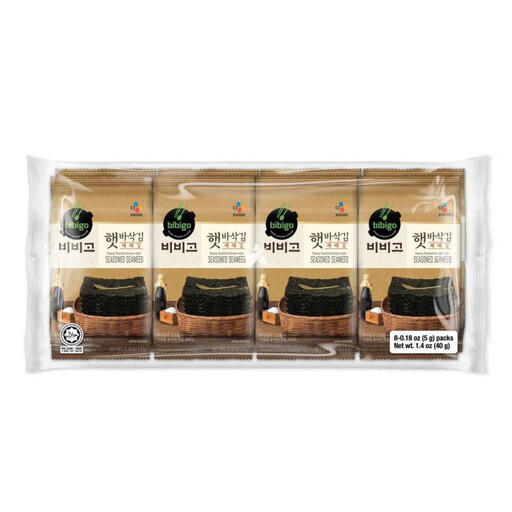
Why This Fits Their Persona: Ideal for anyone seeking a convenient, savoury snack. The individual 5g packs are perfect for lunchboxes or on-the-go moments, offering portion control without sacrificing the authentic taste of Korean seaweed snacks.
The clear nutritional information and pre-portioned packs help you avoid the "healthy snack" trap by making it easy to track your intake of salt and oil.
Authentic Korean seasoning with a satisfying crunch. The 8 individual packs ensure freshness and portability.
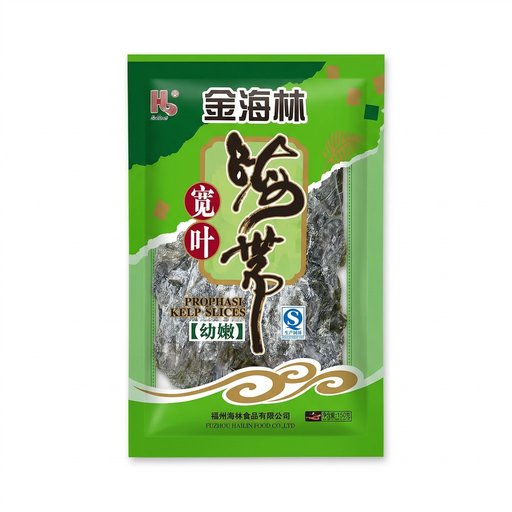
Why This Fits Their Persona: This is for the home cook looking to add authentic depth and texture to Asian soups, stews and braised dishes. Its thick, tender leaves are designed to be slow-cooked, releasing savoury flavour into the broth.
This product is explicitly sold as dried kelp slices for cooking, preventing the common mistake of buying the wrong type of seaweed that would disintegrate or remain tough in a soup.
Requires rehydration, which allows it to absorb the flavours of your dish. It has a high rehydration rate, meaning a little goes a long way.
We have compiled a complete, real-time list of products that fully satisfy these strict selection criteria and UK safety regulations.
In simple terms: Nori is the thin, crispy sheet used for sushi and snacks. Kelp (Kombu) is a thick, dried seaweed used to make flavourful broths and requires long cooking. Wakame is a tender, leafy seaweed that rehydrates quickly and is used in salads and miso soup.
Yes, seaweed is one of the most potent natural sources of iodine, a mineral essential for thyroid function. However, the iodine content varies significantly between types. Kelp (kombu) is particularly high in iodine. If you have a thyroid condition, it is advisable to consult with a healthcare professional regarding your iodine intake from seaweed.
Moisture is the enemy of dried seaweed. To maintain freshness and crispness, store it in a cool, dry and dark place, away from direct sunlight. Once a package is opened, it is crucial to reseal it tightly or transfer the contents to an airtight container. For roasted snack sheets, consume them quickly after opening as they lose their crispness rapidly.