
24/7 Customer Support

Free returns

Same-day & Next-day Delivery

Quality Guaranteed

Unlock Your Welcome Offers: FREE Delivery | Up to 80% OFF | Free 30-day JoyPlus trial
Download the APP
Choosing educational creative toys for children can be harder than it first appears. Product photos may show elaborate builds, colourful artwork or hours of independent play, but the details that matter most are often hidden in the small print.
Parents, grandparents and gift buyers should look beyond themes and packaging. The right choice depends on age suitability, component safety, realistic play value and whether the activity fits the child’s interests. This guide explains the common buying traps, the specifications worth checking and a selection of options for children aged 3 to 10.
A box containing 150 pieces may sound more engaging than a 36-piece set, but quantity alone does not determine play value. Younger children may find a large assortment overwhelming, while small components can be difficult to organise and easy to lose.
Check what the pieces actually enable the child to make. A smaller set with clear models, reusable pages or a defined creative project may be more suitable for a beginner than a large box with limited guidance.
Many children’s craft kits and STEM construction toys contain beads, charms, magnets, ceramics or other small components. A product may appeal to a younger child because of its unicorn, dinosaur or superhero theme, but the recommended age must take priority.
Look for the stated age range and warnings about choking hazards. Magnetic toys require particular care: swallowed magnets can cause serious internal injuries. Inspect magnetic building blocks regularly and stop using them if a piece cracks or a magnet becomes exposed.
Water-reveal colouring books and special-paper marker sets can reduce marks on furniture, but they still require suitable storage. Pens may dry out, pages can crease and certain markers only work on the supplied paper.
Likewise, painting kits need a protected work surface, even when the box includes paints and brushes. Check whether the activity requires additional items such as water pots, protective clothing, drying space or replacement materials.
For creative toys for ages 3 to 10, select an activity that matches the child’s dexterity and ability to follow instructions. Simple reusable colouring pages may suit a three-year-old, whereas construction sets with many parts or detailed craft projects may be more appropriate for older children.
Adult supervision is recommended for products containing small parts, magnets, ceramic components, glitter or accessories. Follow the manufacturer’s instructions rather than relying only on the child’s apparent ability.
For building toys, check the stated material and edge finish. ABS plastic is commonly used for magnetic tiles and blocks because it is lightweight and durable, while smooth, rounded edges are more comfortable for small hands.
UK shoppers should also look for relevant toy safety information, including age labels and conformity markings such as CE or UKCA, where applicable. These markings should not replace sensible inspection: check seams, magnets, paintwork and connectors before use.
Compare the included contents with the intended activity. A useful checklist includes:
For screen-free activities for children, repeat play is especially valuable. Water-reveal books, magnetic construction sets and open-ended art equipment can be used in different ways, while a single finished craft may have a shorter play cycle.
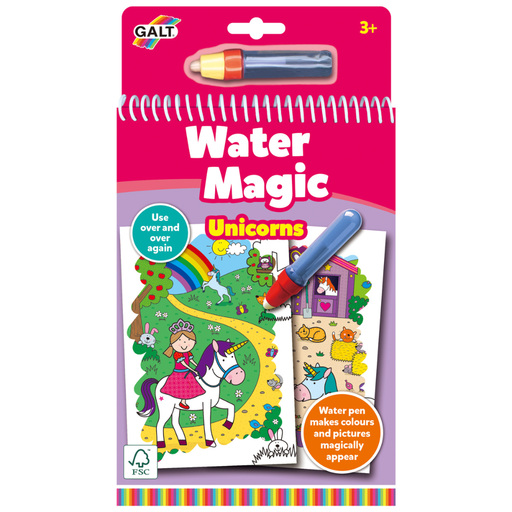
Why This Fits Their Persona: A compact choice for younger children who enjoy unicorn themes, travel activities or simple creative play without needing paints and multiple accessories.
The set uses a refillable water pen and six reusable pages, avoiding regular paper, paint pots and a large collection of loose pieces.
Suitable from age 3, requires no batteries and is designed for colour-reveal play that disappears as the pages dry.
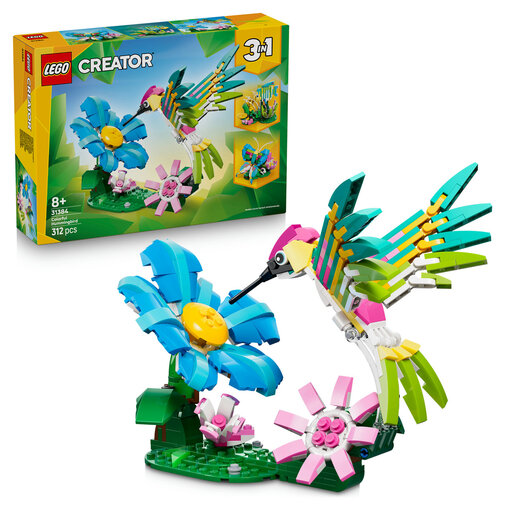
Why This Fits Their Persona: A considered gift for children aged 8 and above who enjoy wildlife, structured building and keeping a completed model on display.
The age guidance and step-by-step instructions make the expected building level clearer than a generic high-piece-count construction box.
The finished hummingbird has movable wings and a poseable neck, and the set includes a display stand. No batteries are required.
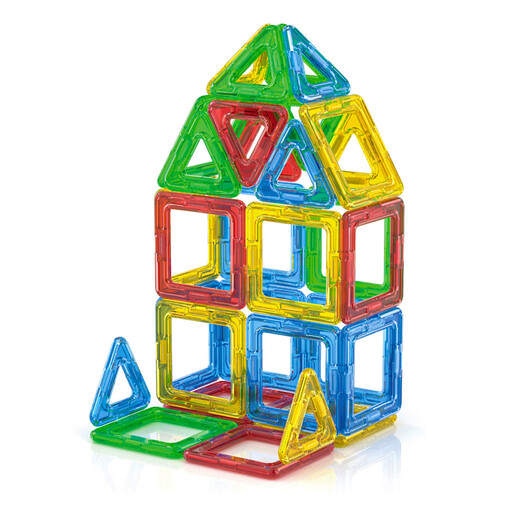
Why This Fits Their Persona: A practical starter for children aged 3 and above who prefer building, arranging and taking structures apart repeatedly.
The 36-piece format is easier to sort than a very large set, while the product information specifies smooth edges, ABS plastic and regular damage checks.
The set weighs 0.48 kg, uses manual play with no batteries and includes a colour box for storage. It contains small magnets, so supervision is important.
We have compiled a complete, real-time list of products that fully satisfy these strict selection criteria and UK safety regulations.
These options can work as educational toys for boys and girls because suitability is determined more by age, ability and interests than by gender. Themes such as animals, superheroes, dinosaurs and unicorns can help a child engage with the activity, but the practical specifications should remain the deciding factor.
Some are. Look for clear 3+ age guidance, larger components and simple instructions. Avoid products containing loose small parts or powerful magnets unless the packaging specifically confirms suitability and an adult can supervise play.
Reusable water colouring books are compact and do not require batteries, paint pots or regular paper. Special-paper colouring sets can also reduce marks, but the supplied paper and compatible markers should be kept together.
Some have no regular running cost, such as magnetic tiles, building blocks and reusable water books. Painting and craft kits may require replacement paper, paint or craft materials once the included supplies are used. Check the contents before buying if you are looking for a longer-term activity.
Choose products with reusable pages, open-ended components or multiple design ideas. Store pieces in the original box, protect the work surface and supervise younger children so materials are not damaged or misplaced.