
24/7 Customer Support

Free returns

Same-day & Next-day Delivery

Quality Guaranteed

Unlock Your Welcome Offers: FREE Delivery | Up to 80% OFF | Free 30-day JoyPlus trial
Download the APP
Choosing educational toys for babies and toddlers can feel more complicated than it should. Product descriptions often promise sensory development, independent learning and hours of engagement, yet the practical details are easy to overlook.
For UK parents, grandparents and gift buyers, three common buying traps deserve particular attention:
The right choice depends less on the number of buttons and more on whether the toy suits the child’s age, play space and current abilities.
Start with the recommended age on the product page and packaging. Toys for babies aged 6 to 18 months should be suitable for reaching, grasping, tummy-time play and cause-and-effect exploration. For toddlers aged 18 months and above, activity cubes and sorting toys can introduce matching, turning and early problem-solving.
Construction toys with small pieces need extra care. The Tokky magnetic tile sets are listed for children aged 3+ years and include warnings about small parts and strong magnets. Swallowed magnets can cause serious internal injuries, so these toys should be stored securely and used with appropriate adult supervision. Check pieces regularly and stop using them if a magnet becomes exposed.
Look for clear information about the main material, cleaning instructions and applicable safety standards. Several products in this selection specify ABS plastic, smooth or rounded edges and EN71 compliance. These details are useful indicators, but they do not replace supervision or regular inspection.
For babies who explore with their mouths, a compact silicone toy may be more practical than a toy containing detachable pieces. The Shnuggle Stick N Play Star Toy is listed as using food-grade, BPA-free and phthalate-free silicone, with a suction base for smooth surfaces. Always follow the manufacturer’s instructions and inspect teethers before each use.
Musical toys for toddlers can be engaging, but volume control matters in a living room, flat or shared home. Look for an adjustable volume dial or quiet mode. Also check whether batteries are included, how the battery compartment is secured and whether the toy can be wiped clean.
A toy with removable legs or a portable design may offer more flexibility than a large fixed play centre. However, always check dimensions before ordering, particularly if it will be used beside a sofa, highchair or play mat.
The following recommendations cover different needs, from first sensory play to more involved musical and construction activities.
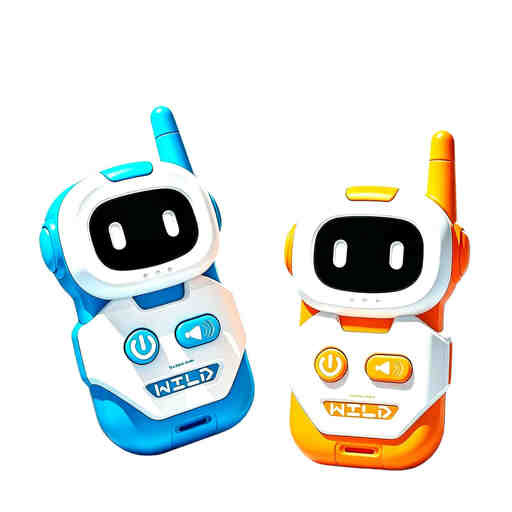
Why This Fits Their Persona: A compact option for families introducing sensory play from 6 months, with light-up drum pads, shape buttons and animal sounds for short play sessions at home.
It combines several simple actions rather than relying on lights alone: tapping, pressing and shape sorting. The listed age range is 6–36 months, with batteries not included.
ABS construction, rounded edges, an anti-slip base and shape-and-colour activities in one toy.
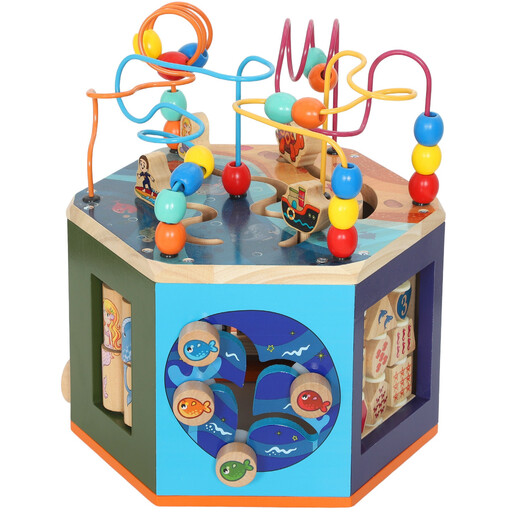
Why This Fits Their Persona: Suitable for households seeking a screen-free, tactile activity centre for toddlers aged 18 months and above.
Its play value comes from beads, number learning, pattern matching and movement games, rather than sound or flashing effects. Assembly is required, so check the setup before gifting.
Wood and MDF construction, 28 × 26.2 × 32 cm dimensions and EN71-1-2-3 safety information.
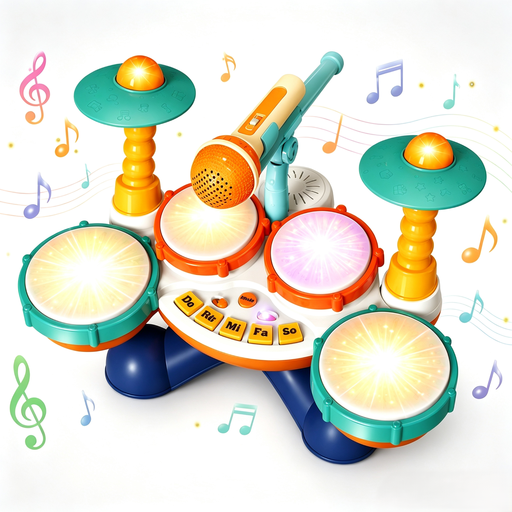
Why This Fits Their Persona: Designed for toddlers who enjoy energetic musical play and families able to provide a dedicated play area.
An adjustable volume dial helps address the noise issue often overlooked in musical toys. Batteries are not included, so plan for setup before a birthday or Christmas morning.
Four light-up drum pads, two cymbal beats, a working microphone, ten melodies and three play modes.
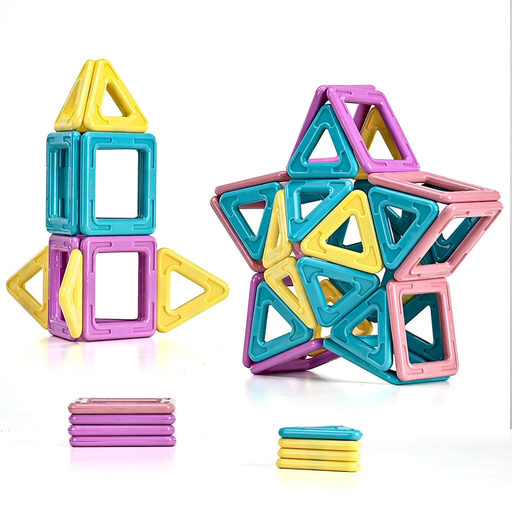
Why This Fits Their Persona: A suitable choice for families with children aged 3+ who enjoy open-ended construction, shared building and creative projects.
The set is clearly labelled 3+ and includes magnet-specific warnings, reducing the risk of giving it to a younger child by mistake. Inspect the tiles regularly.
Fifty ABS pieces, embedded magnets, pastel colours and storage packaging; no batteries or assembly required.
We have compiled a complete, real-time list of products that fully satisfy these strict selection criteria and UK safety regulations.
Yes, provided the toy is specifically labelled for that age group and contains no detachable small parts. Soft sensory toys, textured teethers and simple grasping toys can suit babies from birth or 6 months, depending on the product instructions. Adult supervision remains important.
There is no single required duration. Short, supervised sessions are often more practical than leaving a musical toy playing continuously. Use adjustable volume or quiet mode where available, and balance sound-based play with books, movement, stacking and unstructured play.
No. Battery-free Montessori toys, wooden activity cubes and magnetic building tiles can encourage sorting, grasping, construction and problem-solving. Battery-powered toys may add lights or sound, but check running costs, battery access and whether those features can be controlled before purchasing.