
24/7 Customer Support

Free returns

Same-day & Next-day Delivery

Quality Guaranteed

Unlock Your Welcome Offers: FREE Delivery | Up to 80% OFF | Free 30-day JoyPlus trial
Download the APP
Choosing a toy for a baby or toddler can be harder than it looks. A colourful box may promise learning, sensory stimulation and hours of independent play, but the product may not suit your child’s age, your available space or your daily routine.
Joybuy Product Recommendation Officer guidance focuses on the details that are easy to miss before buying. Whether you are shopping for baby sensory toys, toddler learning toys or a birthday gift, the following checks can help you avoid paying for features that will rarely be used.
A label such as “6 to 36 months” covers a wide range of abilities. A toy that suits a baby practising tummy time may be too simple for a confident two-year-old, while a toy with small components may be unsuitable for younger children.
Check the minimum age, not just the upper age limit. Also consider whether your child can sit steadily, press buttons, grasp objects or follow simple instructions.
Interactive educational toys can be engaging, but flashing lights and loud music do not automatically create meaningful play. Look for a clear action-and-response relationship: pressing a button produces a sound, placing a shape creates a result or moving a piece changes what happens next.
A toy with adjustable volume or a mute setting may be more practical in a UK family home, particularly in flats, shared bedrooms or during travel.
Soft toys that cannot be cleaned easily may become inconvenient after regular use. Portable baby toys also need secure clips, while wall-mounted activity toys require a suitable smooth surface and careful checking before play.
Before purchasing, consider where the toy will be stored, whether batteries are included and how quickly it can be wiped or washed.
Always read the product warning and instructions. Toys marked as unsuitable for children under three may contain small parts that present a choking hazard. Battery compartments should be secured and button batteries must be kept away from children because swallowing one can cause severe internal burns.
Adult supervision is particularly important for toys with detachable pieces, clips, mirrors, teethers, moving parts or wall attachments.
For plastic developmental toys for babies, look for clear material information and smooth, well-finished surfaces. Product descriptions may mention BPA-free plastic, rounded edges or an anti-slip base, but these details should not replace reading the full safety information.
For toys sold in the UK, check that the packaging or listing provides appropriate conformity information, such as CE or UKCA marking where applicable, along with the manufacturer or responsible business details. EN71 refers to European toy safety standards covering areas such as mechanical and physical properties, flammability and chemical migration. A listing that mentions EN71 should still be checked against the specific product documentation.
Measure the play area before buying larger activity toys, foam blocks or tables. For musical baby toys, check whether the volume can be adjusted and whether batteries are included. Battery-operated toys may need regular replacement, so a simple battery compartment and clear instructions are useful practical features.
For soft products, check cleaning instructions carefully. “Surface washable” is not the same as machine washable and removable covers can make a noticeable difference for high-use activity toys.
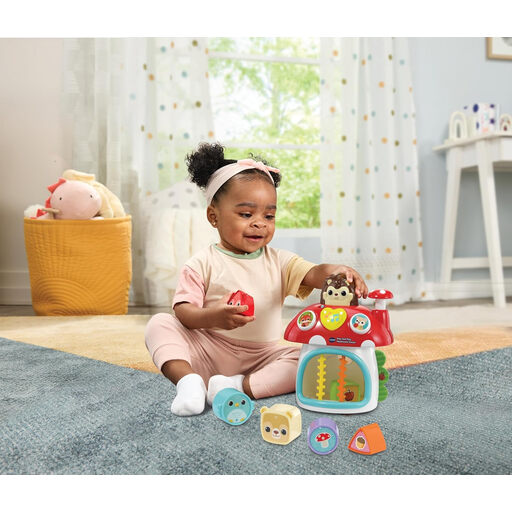
Why This Fits Their Persona: A compact tabletop option for families introducing interactive play from 12 months without buying a large activity centre.
Its pop-up roof, buttons and sorting activities provide clear cause-and-effect play rather than relying on decoration alone. Check the small-part warning and supervise use.
Suitable from 12 months; includes sound effects, learning phrases, lights and a sturdy base. Requires 2 AA batteries, not included.
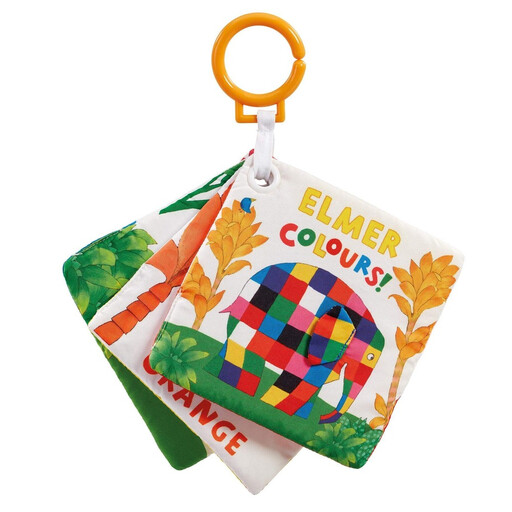
Why This Fits Their Persona: A soft, portable choice for newborns and babies who benefit from quiet sensory exploration at home or while travelling.
The value comes from tactile patches, crinkle sounds and a hidden squeaker, not just printed characters. Inspect the fabric and clip regularly.
Suitable from 0+ months; lightweight design with a clip ring for prams, car seats or changing bags. Surface cleaning is recommended.
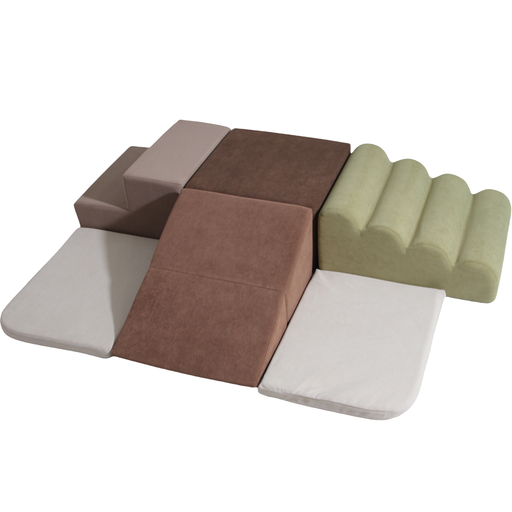
Why This Fits Their Persona: Designed for active indoor play in family rooms, nurseries or classrooms where crawling, climbing and building are part of the routine.
The removable covers address cleaning concerns, while hook-and-loop connectors and non-slip sections are practical details for repeated play. Allow 24–48 hours for vacuum-packed blocks to expand.
Six-piece foam set with washable covers; listing states EN71-1, EN71-2 and EN71-3 compliance. Use on a suitable indoor surface and supervise climbing.
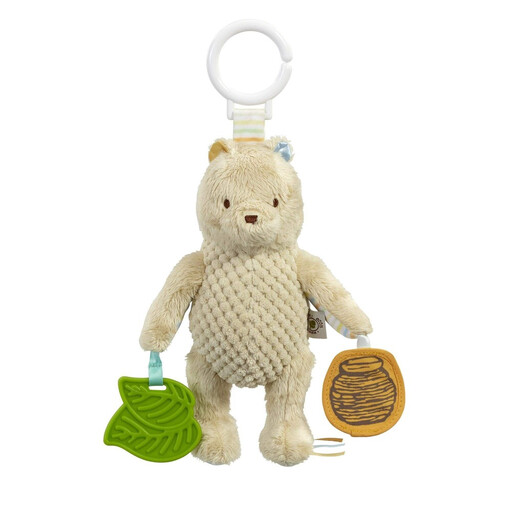
Why This Fits Their Persona: A portable option for prams, car seats or cots, particularly useful when grandparents and parents want a familiar travel companion.
Its textures, crinkle details, chime rattle, mirror and teether offer several ways to interact without needing a screen. Secure attachment and regular inspection remain essential.
Suitable from 0+ months; includes a discovery mirror, BPA-free textured teether and C-clip. Surface wash with a damp cloth and mild soap.
We have compiled a complete, real-time list of products that fully satisfy these strict selection criteria and UK safety regulations.
Soft sensory books, rattles, textured activity toys, mirrors and securely attached pram toys are common choices. Select products marked suitable from birth or the appropriate minimum age, remove all packaging and supervise play. Avoid toys with loose small parts.
Lifespan depends on materials, frequency of use, cleaning and storage. Soft toys should be checked for torn fabric, loose stitching or damaged clips. Plastic toys need inspection around battery covers, hinges and detachable parts. A toy with several play modes may remain interesting for longer, but suitability should still be reassessed as your child develops.
Not always. Wooden stackers, fabric books, blocks and simple shape sorters work without batteries. Interactive and musical toys commonly use AA or AAA batteries. Check whether batteries are included, whether volume can be reduced and whether the compartment is secured before purchase.