
24/7 Customer Support

Free returns

Same-day & Next-day Delivery

Quality Guaranteed

Unlock Your Welcome Offers: FREE Delivery | Up to 80% OFF | Free 30-day JoyPlus trial
Download the APP
Buying educational toys for children can feel more complicated than it should. Packaging often promises learning, creativity and hours of entertainment, yet the toy may be difficult to use, quickly lose a child’s interest or require extra purchases before it can be played with.
The right choice depends less on impressive wording and more on practical details: age suitability, play value, storage, safety information and running costs. This guide explains the common buying traps and highlights suitable options for different households and play styles.
Character playsets can attract children, but a recognisable face alone does not guarantee meaningful play. Check what the child can actually do with the product. Open-ended accessories, movable parts, building options or simple rules can support longer play sessions than a toy that only makes sounds when a button is pressed.
For example, a character-themed building set may encourage construction and storytelling, while a plush toy may be more suitable as a comforting companion. Both can be appropriate, but they serve different purposes.
Some electronic children's learning toys include batteries, while others require separate purchases. Check the product listing for:
Battery-powered toys should always be checked for the required age and battery safety warnings. Button or coin batteries require particular care because they can cause serious internal injuries if swallowed.
Age guidance is a safety requirement as well as a developmental indication. A toy labelled for ages 3 and above may still contain small parts that are unsuitable for younger children. Equally, a toy that is too simple may not hold the attention of an older child.
Consider the child’s coordination, reading ability, patience and preferred play style. A four-year-old who enjoys building may prefer construction pieces, while another child may engage more readily with matching games or imaginative play toys.
Look for the manufacturer’s stated age range and any choking hazard warning. In the UK, toys should carry appropriate conformity information, such as UKCA or CE marking, where applicable. This marking should not replace reading the full safety information on the product page or packaging.
Small components are common in preschool toys, children's board games, building toys for children and character playsets. Store these products away from babies and toddlers, even if an older child uses them in the same home.
A large playset may offer several activities but can be difficult to store in a smaller UK bedroom or flat. Check both package and assembled dimensions where provided. Portable designs can be useful for visits to grandparents, holidays or rainy-day activities away from home.
Compact games such as matching or lotto sets are easy to place on a shelf. A buildable house or track system may need a dedicated play surface. For busy households, products that pack accessories inside the main case can help reduce lost pieces.
“Educational” can describe many different forms of play. Before choosing, identify the skill you want the toy to support:
The most suitable educational toys for toddlers are usually easy to grasp and offer a clear action. For children aged 3 to 5, games, role play and construction sets can introduce more choice and shared play.
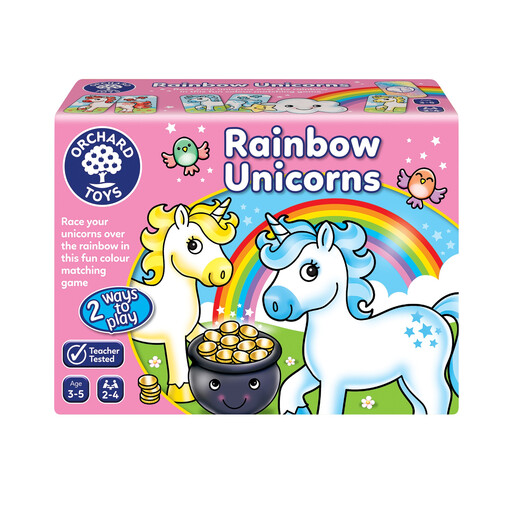
Why This Fits Their Persona: A compact, battery-free choice for families seeking an accessible first tabletop activity for children aged 3 and above.
It uses simple matching and turn-taking rather than relying on electronic effects or ongoing battery purchases.
Battery-free play; compact package measuring 8 x 19 x 14 cm; supports matching and turn-taking.
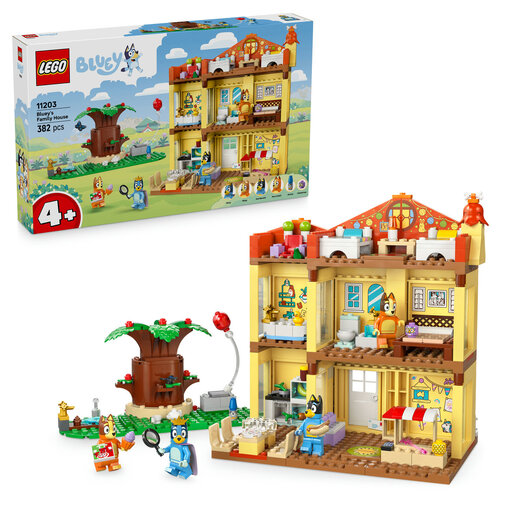
Why This Fits Their Persona: A character-led building set for families wanting structured construction followed by flexible storytelling for children aged 4 and above.
The set offers more than character appeal, with a multi-room build, detachable sections and accessories for role play.
Includes four figures; 85 pieces; no batteries required; suitable for imaginative play and construction.
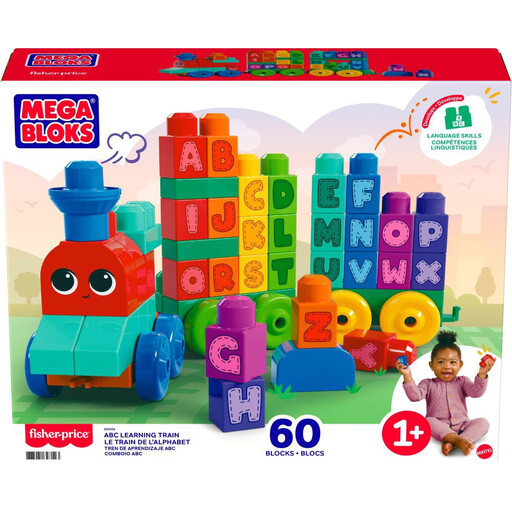
Why This Fits Their Persona: A practical option for toddlers who need large, easy-to-handle pieces and repeated construction activities from 12 months to 5 years.
Its blocks are designed for little hands and can be rebuilt as a train or station, offering more than one fixed activity.
60-piece set; alphabet letters from A to Z; no batteries required; package measures 38 x 11.5 x 29 cm.
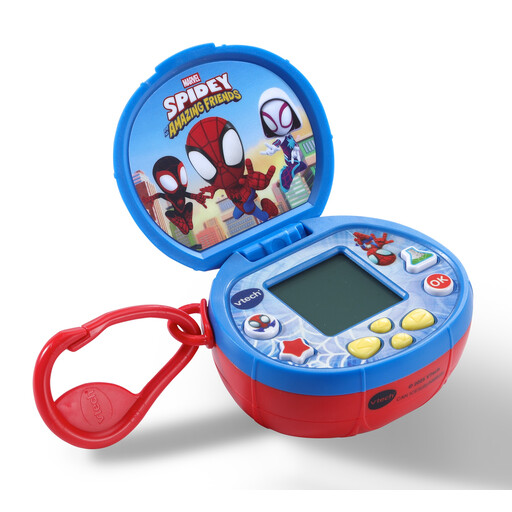
Why This Fits Their Persona: A compact electronic option for journeys, restaurant visits or quiet activities away from the main playroom for children aged 3 and above.
The portable design includes a clip, while five built-in games provide varied activities instead of one repeated button function.
Backlit LCD screen; counting and maths activity; ten clock-face designs; three AAA batteries included.
We have compiled a complete, real-time list of products that fully satisfy these strict selection criteria and UK safety regulations.
Think about when and where the toy will be used. For travel, choose a compact game, soft toy or portable electronic device. For rainy afternoons, building toys for children and STEM toys for kids can provide a longer activity if there is enough space to assemble them.
If adults will regularly join in, children’s board games can support turn-taking and conversation. For independent play, choose a toy with clear instructions or several ways to use it. A birthday gift for children is more likely to be used when it reflects an existing interest, such as dinosaurs, unicorns, vehicles or familiar television characters.
Always check whether adult assembly is required, whether pieces need sorting and whether the product needs a flat surface. These small details affect how often a toy is realistically used.
Suitable educational toys for toddlers generally have large, easy-to-grip parts, simple actions and clear sensory feedback. Building blocks, busy cubes, stacking toys and early alphabet sets can support grasping, colour recognition and basic problem solving. Check the minimum age carefully and keep small parts away from children under the stated age.
They can be useful when the child enjoys sounds, lights, numbers or interactive prompts, particularly during travel. However, check battery requirements, volume, durability and whether the toy offers more than one activity. Battery-free games and construction sets may offer a lower-maintenance alternative for everyday play.
Lifespan depends on the materials, storage and frequency of use. Choose products with sturdy components, replaceable batteries where relevant and more than one mode of play. Keeping pieces in a labelled box and following cleaning instructions can help maintain the toy. For shared households, select products whose age range suits the youngest regular user.