
24/7 Customer Support

Free returns

Same-day & Next-day Delivery

Quality Guaranteed

Unlock Your Welcome Offers: FREE Delivery | Up to 80% OFF | Free 30-day JoyPlus trial
Download the APP
Choosing educational toys and creative activity kits for children can be harder than it looks. Product packaging often promises hours of learning, creativity and screen-free play, yet some kits contain too little material, instructions that are difficult to follow or components that are unsuitable for the stated age.
For parents, grandparents, teachers and gift-buyers, the aim is not simply to find an attractive box. It is to match the activity with a child’s age, attention span, interests and the level of adult involvement available.
Some activity sets appear substantial because of oversized packaging, but may contain only a small number of usable projects. Before buying, check the number of activities, pages, reusable parts or consumable materials included. A building set with interchangeable components may offer more repeat play than a single-use craft project.
A kit labelled “educational” is not automatically suitable for independent play. Science sets may include chemicals, small parts or tools, while art kits can contain sharp pencils, palette knives or materials that should not be swallowed.
Always check the minimum age, warning labels and supervision guidance. Look for clear manufacturer details and applicable toy or product conformity information, such as CE or UKCA marking where relevant. These details do not replace reading the instructions, particularly for chemistry experiment kits and excavation activities.
A child may be within the recommended age range but still find a detailed drawing kit frustrating, or lose interest in a worksheet-heavy activity. Consider whether they prefer construction, imaginative play, painting, puzzles or experiments. The most suitable choice should provide an achievable first activity with room to develop.
Age guidance is based on factors such as small parts, complexity and the skills needed to use the product. For toys for ages 3 to 10, the difference between a preschool scratch book and a chemistry set for children aged 10 and above is significant.
Check whether the set includes everything needed. A slime-making kit, for example, may include the powders and tools but still require bowls, water or protective coverings. A volcano science kit may be reusable, while some excavation blocks or paint supplies are consumed during the activity.
For long-term value, look for reusable moulds, write-and-wipe cards, movable parts, refill availability or multiple project formats.
Material choice affects how practical an activity is in a UK home or classroom. Solid watercolour cakes are portable and can be dried before storage. Scratch art kits are generally quieter and do not need water or glue. Acrylic paint offers broader creative possibilities but can become water-resistant when dry, so brushes and surfaces need prompt cleaning.
Also measure the storage space. Package dimensions are especially useful when buying children’s activity sets for travel, school cupboards or smaller bedrooms.
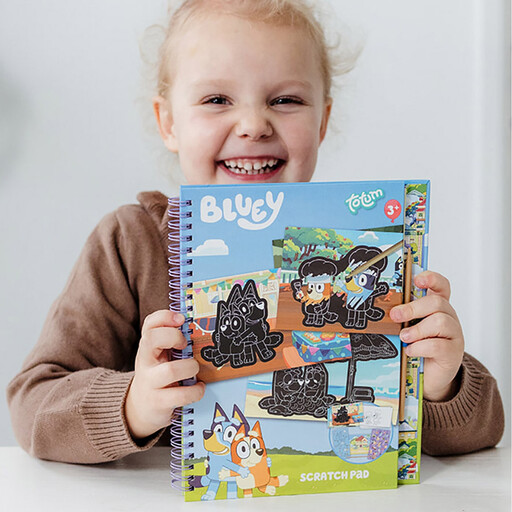
Why This Fits Their Persona: A compact option for preschoolers who need a simple, portable activity for rainy afternoons, travel or quiet time at home.
It offers several formats in one book: 10 scratch cards, 11 colouring pages, a stencil and stickers, rather than relying on one short project.
Suitable from age 3, battery-free and includes a wooden scratch tool, stencil and sticker sheet.
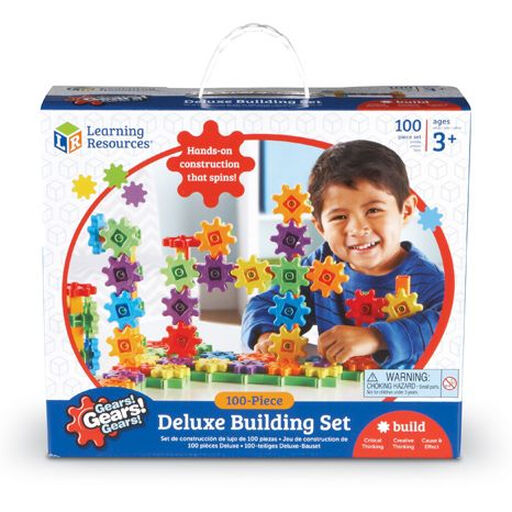
Why This Fits Their Persona: Suitable for families and classrooms wanting a durable construction activity that can be rearranged repeatedly.
The 100 interlocking pieces support multiple configurations, helping avoid the limited replay value of a single finished model.
Includes a crank handle for moving constructions, requires no batteries and is designed for children from age 3.
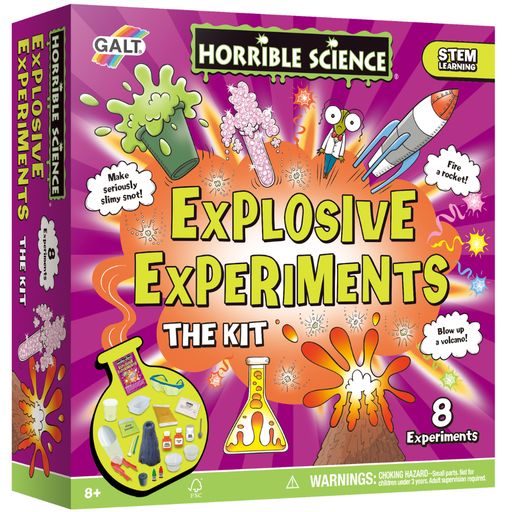
Why This Fits Their Persona: A practical choice for older children who enjoy structured, hands-on science sessions with an adult nearby.
It lists eight activities and includes a 32-page lab notebook, making the learning process more substantial than a one-off demonstration.
Includes materials for slime, a lava lamp and rocket activities; suitable from age 8, with safety instructions provided.
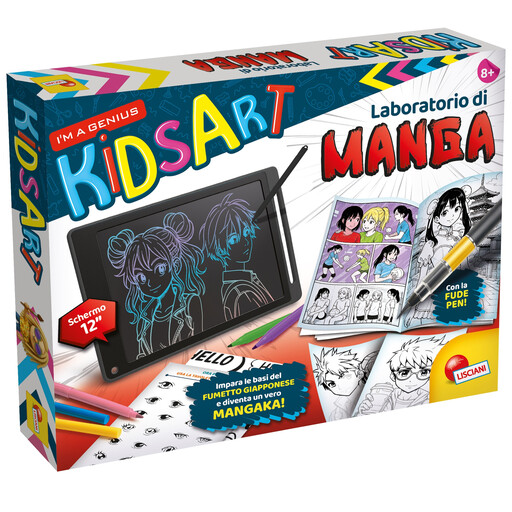
Why This Fits Their Persona: Designed for children aged 8 and above who want guided practice in manga and anime-style drawing at home.
The all-in-one format and tutorial guidance reduce the need to buy separate pencils, pens or beginner resources immediately.
Supports sketching, line drawing and manga-style colouring in a compact set with beginner tutorials.
For children who enjoy practical learning, educational building toys and the Learning Resources Time Activity Set can introduce spatial reasoning, sequencing and everyday maths. Children interested in visual creativity may prefer children’s art sets, creative drawing kits, watercolours or comic illustration supplies.
For party favours or travel, a scratch art kit can be compact and quiet. The Rainbow Scratch Art Notebooks Kit includes 24 notebooks, wooden styluses, stencils and gift bags, making it suitable for group activities when the age guidance is followed.
Themed stationery can also work well as a small gift. The Harry Potter Hermione Granger Chibi Notebook & Wand Pen Set and Harry Potter wand and broomstick pen and pencil set are aimed more at fans and school-age users than at open-ended craft development. Check the stated age and small-part warnings before giving them to younger children.
We have compiled a complete, real-time list of products that fully satisfy these strict selection criteria and UK safety regulations.
Many are. Building sets, scratch art kits, children’s stationery gifts, painting sets and physical activity books can be used without batteries or an internet connection. Some newer science kits include video instructions, but check whether printed guidance is also supplied if you want a completely screen-free activity.
Read the instructions before opening the kit, clear a washable work surface and keep food, pets and younger children away from the activity area. Use the recommended protective equipment and follow disposal guidance. Chemistry experiment kits, crystal growing kits, volcano experiments and slime-making kits should be supervised according to the manufacturer’s instructions.
Cost varies according to whether the kit contains reusable components, specialist materials or multiple projects. Compare the number of activities and included tools, not only the price. A larger multi-use building set may suit regular play, while a smaller scratch book or stationery gift can be more appropriate for a birthday bag or occasional treat.