
24/7 Customer Support

Free returns

Same-day & Next-day Delivery

Quality Guaranteed

Unlock Your Welcome Offers: FREE Delivery | Up to 80% OFF | Free 30-day JoyPlus trial
Download the APP
As a Joybuy Product Recommendation Officer, my role is to help you navigate the crowded market of children's toys. Choosing the right educational toys for children can feel overwhelming. The goal is to find something that is not only fun but also genuinely beneficial for their development. However, many parents find that expensive, heavily marketed toys end up gathering dust after just a few days.
This guide will help you identify common purchasing pitfalls and focus on the key features that deliver real, lasting play value.
The toy market is filled with appealing packaging and bold claims. Before you buy, be aware of these common traps that lead to wasted money and disappointed children.
To ensure you are selecting a toy that offers genuine value, focus on these three practical parameters.
Look beyond the age printed on the box and consider the specific skills the toy is designed to nurture. For younger children, focus on learning toys for toddlers that build foundational abilities.
A toy's construction is a direct indicator of its safety and lifespan. In the UK, always look for the UKCA (UK Conformity Assessed) mark, which shows the product meets national safety requirements.
Pay attention to the materials used. A well-built kids activity table made from solid wood or high-grade engineered board will withstand years of creative play, unlike a flimsy plastic alternative. For any toy a young child might put in their mouth, ensure it is made from BPA-free plastic and finished with non-toxic paints.
Understanding this distinction is key to maximising play value.
Based on these criteria, here are a few recommendations matched to different family needs and play styles.
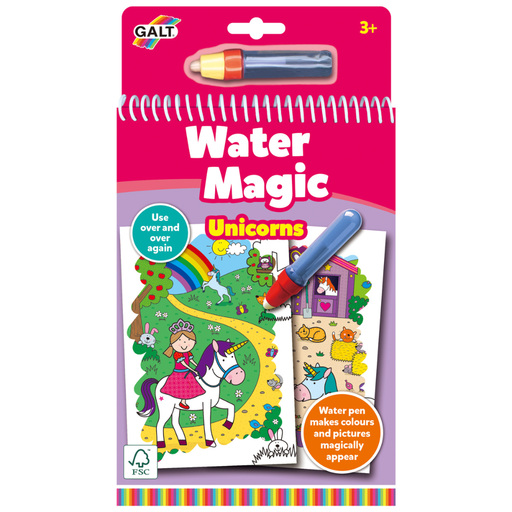
Why This Fits Their Persona: Ideal for parents of toddlers and preschoolers who want to encourage artistic expression without the inevitable mess of paints and crayons. Its compact, reusable format makes it perfect for keeping children entertained during travel or while out at a café.
This book avoids the "over-stimulation" trap by being a simple, hands-on activity. The magic is in the reveal, which encourages focus and develops fine motor skills as the child uses the water pen.
Completely mess-free and reusable. The pages dry and reset, offering excellent long-term value and portability.
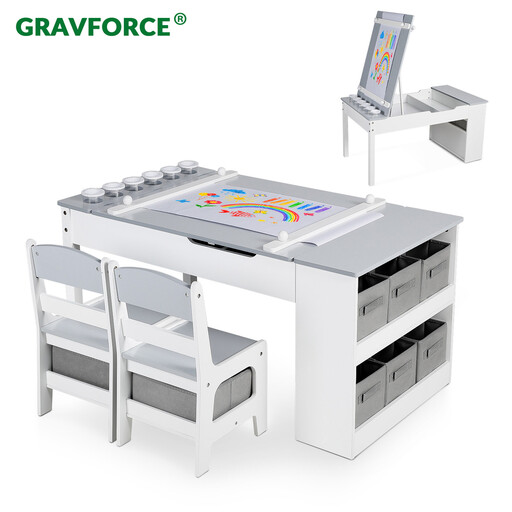
Why This Fits Their Persona: For parents looking to create a dedicated, organised space for screen-free activities. This is more than a toy; it's a piece of furniture that encourages drawing, crafting and focused play, helping to keep supplies tidy and accessible.
This set directly counters the "poor material quality" trap. Constructed from engineered MDF and solid wood legs, it is designed for stability and long-term use, representing a durable investment in a child's creative development.
A multi-functional design with an integrated paper roll holder, open shelving and removable storage bins provides an all-in-one solution for creative projects.
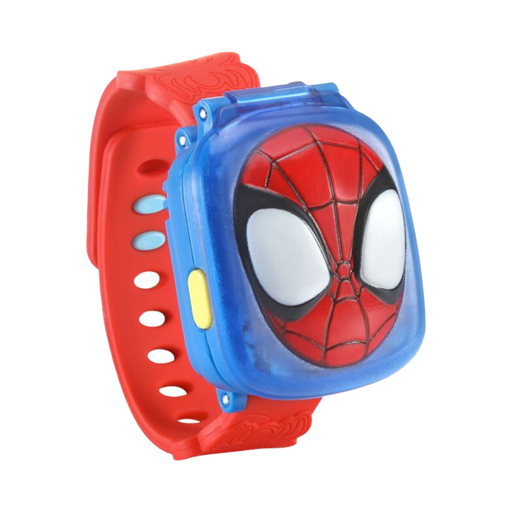
Why This Fits Their Persona: Perfect for grandparents or family friends looking for a gift that combines a popular character with clear educational benefits. It feels like a 'gadget' but is packed with purposeful activities that parents will appreciate.
While electronic, it sidesteps the "passive entertainment" trap. The four built-in games require active participation for counting and matching and the time-telling functions serve a practical, educational purpose.
It cleverly merges entertainment with learning. The watch includes games, a timer, an alarm and character phrases, making it a multi-faceted and engaging toy.
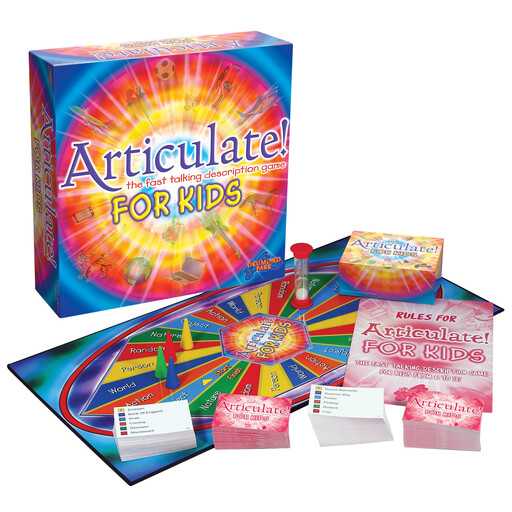
Why This Fits Their Persona: An excellent choice for family game nights or playdates. This game is specifically designed to get children talking, thinking quickly and working as a team, making it a fantastic screen-free way to build vocabulary and communication skills.
This is the opposite of a solitary, passive toy. It is inherently social and interactive, directly addressing the trap of isolating electronic gadgets. Its success depends entirely on active communication and teamwork.
The content is curated by an educational specialist to be age-appropriate and it can be played on its own or combined with the original adult version for whole-family fun.
We have compiled a complete, real-time list of products that fully satisfy these strict selection criteria and UK safety regulations.
An educational toy is one that stimulates learning and development, but this doesn't have to mean overt lessons. It can be any toy that encourages cognitive skills like problem-solving, physical abilities like fine motor skills, or social-emotional growth like sharing and empathy. The key is how the toy prompts a child to think, create and interact with the world around them.
Always look for the UKCA (UK Conformity Assessed) mark on the toy or its packaging. This is the manufacturer's declaration that the product meets the UK's essential health, safety and environmental protection requirements. Additionally, always adhere to the manufacturer's age recommendations and be particularly cautious about small parts with children under three years old.
Not at all. A toy's value is determined by its ability to engage your child and support their development, not its price. Simple, open-ended creative play sets like building blocks or modelling clay can offer significantly more long-term play potential than a costly electronic gadget with a single function. Focus on durability, safety and how many different ways a child can play with the toy.