
24/7 Customer Support

Free returns

Same-day & Next-day Delivery

Quality Guaranteed

Unlock Your Welcome Offers: FREE Delivery | Up to 80% OFF | Free 30-day JoyPlus trial
Download the APP
As a parent, grandparent or friend, finding a gift for a young child that is both entertaining and beneficial can be a challenge. The toy market is vast, and it's easy to feel overwhelmed by choice. You want something that will capture a child's imagination, but also support their growth during the crucial preschool years. This guide is designed to help you navigate the options and identify high-quality educational toys for preschoolers that genuinely contribute to their development.
We'll explore what makes a great learning toy and offer some practical advice for making your selection.
Before diving into specific products, it's helpful to have a framework for what to look for. Consider these points to ensure you're choosing a toy that is safe, engaging and developmentally appropriate.
In the UK, all toys must carry a UKCA mark (or CE mark for goods sold in Northern Ireland), indicating they meet stringent safety standards. Look for toys made from non-toxic, durable materials that can withstand enthusiastic play. For children in the 3-5 age bracket, it's still important to check for small parts that could pose a choking hazard, especially if younger siblings are in the house.
A three-year-old's abilities and interests are quite different from a five-year-old's. Good developmental toys for 4 year olds, for example, might focus on more complex problem-solving or early literacy skills. Look for toys that encourage:
Some of the most effective learning toys are those that can be used in many different ways. Unlike a toy with a single function, open-ended toys like building blocks for kids or art supplies empower children to be creative and direct their own play. These screen-free educational toys are excellent for fostering imagination, problem-solving and independent thinking.
Here are a few standout educational toys that align with the principles above. Each one offers a unique way to support a preschooler's learning journey.
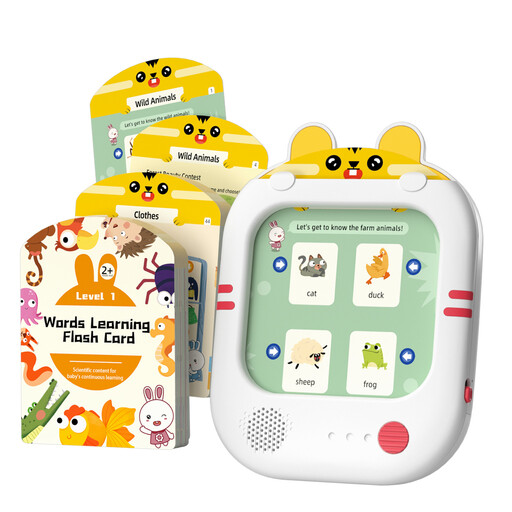
Why It Stands Out: This device offers the interactivity of a tablet without the screen. The alilo Learning Tablet uses an interactive pen that reads words and pictures aloud from the included flashcards and books. It’s a fantastic tool for promoting independent learning and early literacy skills, turning what could be a passive activity into an engaging game.
Pros:
Who is it for? This is an excellent choice for parents seeking effective screen-free educational toys. It's particularly well-suited for children aged 3 to 5 who are beginning to show an interest in letters and words, providing a solid foundation for reading.
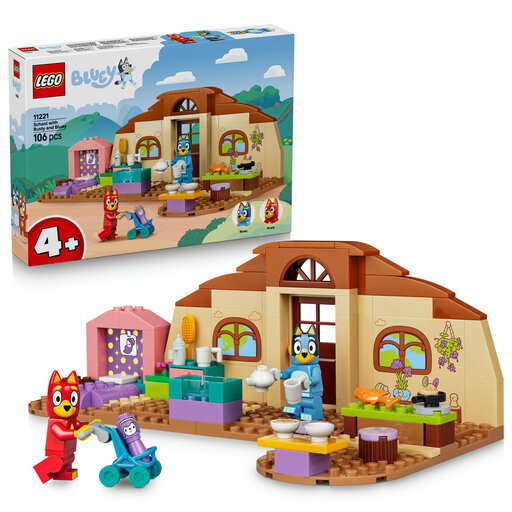
Why It Stands Out: Combining the global popularity of Bluey with the timeless developmental benefits of LEGO, this set is a winning formula. It allows children to recreate scenes from the beloved TV show or invent their own school-day adventures, encouraging imaginative role-play and storytelling.
Pros:
Who is it for? This makes one of the best gifts for preschoolers, especially for fans of the Bluey TV show. It’s ideal for children aged 4 and up who enjoy building and engaging in pretend play, helping them process and understand social situations through familiar characters.
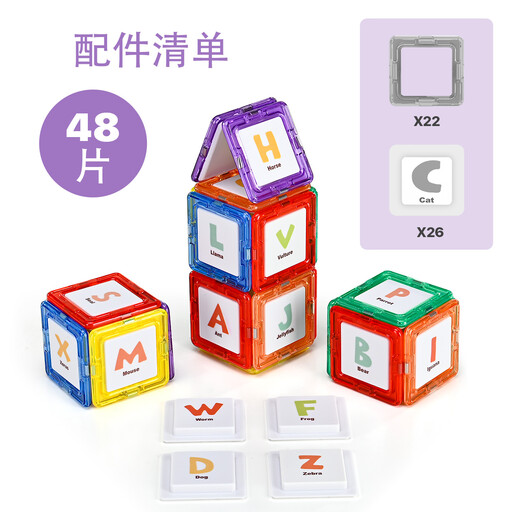
Why It Stands Out: These magnetic tiles are a modern classic in the world of STEM toys for toddlers and preschoolers. This particular set cleverly integrates alphabet learning toys by featuring letters on the tiles. This dual-purpose design allows children to learn letter recognition and simple spelling while constructing 3D shapes, towers and patterns.
Pros:
Who is it for? Perfect for hands-on learners aged 3 and up. If you're looking for a versatile toy that will grow with your child and offers years of play value, these magnetic building blocks for kids are an excellent investment in their creative and cognitive development.
The toys highlighted here represent just a few of the fantastic options available. If you're searching for different types of puzzles, art kits or other developmental toys, you can explore a wider selection.
Discover our full range of Learning and Educational Toys
1. What are the main benefits of educational toys for 3-5 year olds? Educational toys are designed to stimulate a child's development in key areas. They can help improve problem-solving skills, enhance fine and gross motor control, foster creativity and imagination, introduce foundational concepts in literacy and numeracy (like with alphabet learning toys) and develop social and emotional skills through role-play.
2. How can I ensure a toy is safe for my preschooler? Always check for the UKCA mark, which certifies that the toy meets UK safety standards. Read the age recommendation and any specific warnings on the packaging, particularly regarding small parts. Regularly inspect toys for wear and tear, such as sharp edges or loose components, to ensure they remain safe for play.
3. Are screen-free toys a better choice for preschoolers? While digital apps can be educational, many developmental specialists recommend prioritising hands-on, screen-free educational toys. Physical play helps develop crucial fine motor skills, spatial awareness and problem-solving abilities in a way that screens cannot replicate. Toys that encourage imaginative and active play are vital for a child's holistic development.