
24/7 Customer Support

Free returns

Same-day & Next-day Delivery

Quality Guaranteed

Unlock Your Welcome Offers: FREE Delivery | Up to 80% OFF | Free 30-day JoyPlus trial
Download the APP
As a Joybuy Product Recommendation Officer, my role is to help you navigate the crowded market of children's toys. When it comes to educational toys for kids, the promises can be grand, but the reality is often disappointing. Finding a toy that genuinely supports learning without being quickly discarded is a common challenge for parents, grandparents and educators across the UK.
The goal is to find engaging, screen-free activities that are genuinely beneficial. However, many of us have fallen into common purchasing traps that lead to wasted money and cluttered playrooms.
Before you add another toy to your basket, be aware of these frequent issues that catch out even the most discerning shoppers:
To ensure you are choosing a toy that offers real value, focus on a few core parameters rather than marketing hype. These are the non-negotiable factors we look for when assessing products.
Instead of a generic "learning" toy, look for products designed to target specific developmental milestones. For preschoolers, this might be alphabet and number toys or games that promote colour and shape recognition. For children in primary school, look for spelling games or puzzles that support Key Stage 1 games and curriculum goals. A toy with a clear, focused objective, such as the Galt puzzles for spatial reasoning or Orchard Toys games for social skills, will always be more effective.
A toy's longevity is determined by its construction. Look for products made from thick, durable materials like high-quality recycled board, which is less likely to bend or peel. The pieces should be well-cut and easy for small hands to handle. Crucially, ensure the product conforms to UK safety standards, typically indicated by the CE and UKCA markings, which show it has been tested to standards like BS EN 71. This ensures the materials are non-toxic and safe for children.
The most valuable educational toys are those that can be enjoyed again and again. This can be achieved through multiple ways to play, varying difficulty levels, or gameplay that is different each time. Board games for preschoolers that require turn-taking and interaction have inherent replay value, as do kids puzzles that can be completed collaboratively. A toy that grows with your child or offers new challenges over time provides far greater value.
Based on these criteria, here are a few recommendations matched to specific needs and age groups.
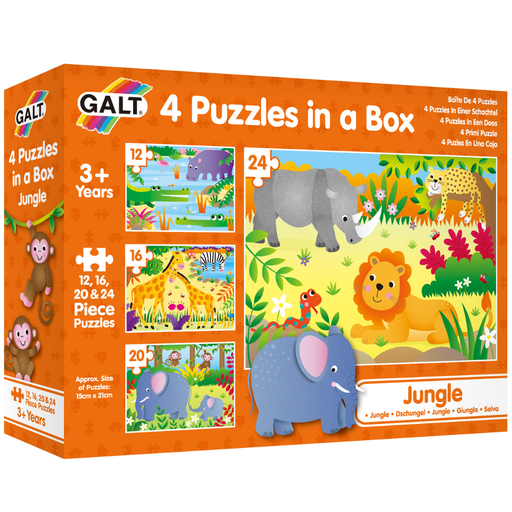
Why This Fits Their Persona: Ideal for children aged 3+, this set is designed to introduce the basics of puzzle-solving without being overwhelming. The colourful jungle theme is engaging for young minds, and the different piece counts help build confidence gradually.
It has a specific age target (3+), avoiding the "one-size-fits-all" problem. The sturdy, high-quality cardstock pieces are made for small hands and address the durability pitfall.
Contains four different puzzles in one box, offering excellent value and variety. It directly supports the development of problem-solving, spatial awareness and fine motor skills.
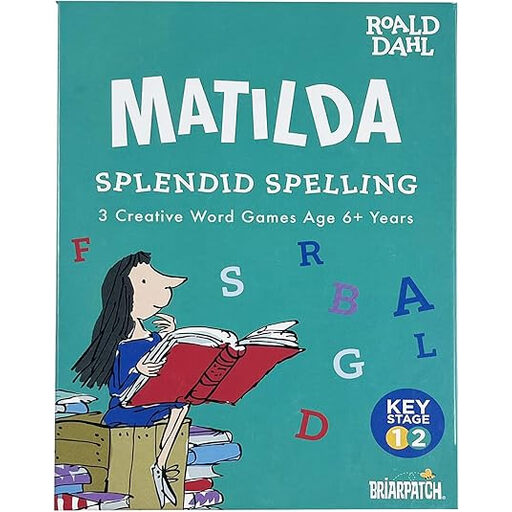
Why This Fits Their Persona: Perfect for children aged 6 and over who are starting to build their vocabulary. This set of spelling games uses a beloved character to make learning fun and directly supports the National Curriculum for Key Stage 1 and 2.
It moves beyond a generic "educational" label by being designed in conjunction with the school curriculum, ensuring it has genuine substance. The three different game modes provide excellent replay value.
Includes three distinct games in one box, catering to different learning styles and keeping the activity fresh. It encourages a love of letters and words through engaging, competitive play.
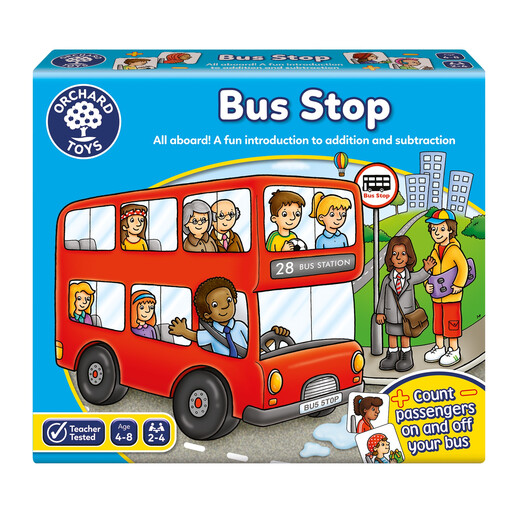
Why This Fits Their Persona: A classic for a reason, this game is simple enough for a 4-year-old to grasp but remains fun for older siblings and parents. It's a fantastic choice for encouraging interaction and teaching the fundamentals of board games.
The gameplay is straightforward, avoiding complex rules that can alienate younger players. Orchard Toys are known for their durable, wipe-clean recycled board, ensuring it lasts through many family game nights.
Excellent for developing social skills like turn-taking and communication alongside basic counting. The simple premise makes it a quick, engaging activity for playdates or family time.
We have compiled a complete, real-time list of products that fully satisfy these strict selection criteria and UK safety regulations.
Focus on the material. Look for toys made from thick, recycled cardboard or sustainable wood. Check product descriptions for phrases like "sturdy construction" or "durable pieces." Brands like Orchard Toys and Galt are well-regarded for their robust construction, making their learning games for children a reliable choice for longevity.
Not necessarily. A higher price does not always equate to greater educational value. The most important factor is whether the toy targets a specific skill effectively and engages your child. A simple, well-designed set of alphabet and number toys can offer more learning opportunities than a costly electronic gadget with limited functions.
At this age, the focus should be on foundational skills. Look for toys that encourage: