
24/7 Customer Support

Free returns

Same-day & Next-day Delivery

Quality Guaranteed

Unlock Your Welcome Offers: FREE Delivery | Up to 80% OFF | Free 30-day JoyPlus trial
Download the APP
As a parent, grandparent or gift-giver in the UK, navigating the world of educational toys can feel overwhelming. Shelves are packed with products promising to boost your child's development, but not all deliver on that promise. It's easy to end up with a toy that is played with for five minutes before being cast aside, or worse, one that breaks within weeks.
My role as a Joybuy Product Recommendation Officer is to help you see past the marketing clutter. Before you spend your hard-earned money, let's look at a few common pitfalls that lead to disappointing purchases.
To ensure you're choosing a toy that is safe, engaging and offers good value, focus on these core parameters.
The age guide on the box is just a starting point. Consider the specific skills the toy aims to develop.
Safety is non-negotiable. Always check for the UKCA marking on the packaging. This indicates that the product meets the UK's safety, health and environmental protection requirements. For plastic toys, look for "BPA-free" labels. The construction should be robust, with no small parts that could easily detach and become a choking hazard, especially for children under three.
Instead of a generic list, we've matched some promising options to the people who are most likely to appreciate them.
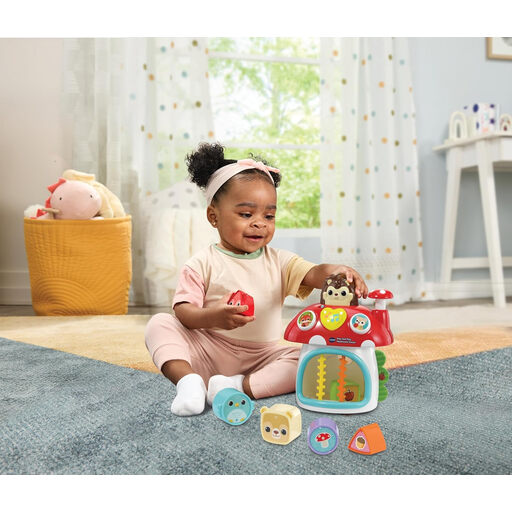
Why This Fits Their Persona: You're looking for a reliable, engaging and affordable first major toy. This Vtech option focuses on core developmental milestones for a one-year-old without overwhelming them (or your budget).
It avoids the "grows with your child" trap by being perfectly tailored for the 12-month+ stage. Its buttons, pop-up action and sorting activities are designed specifically for developing fine motor skills and understanding cause-and-effect.
Features a variety of buttons and activities to hold a young child's attention. It introduces numbers, shapes and animal names through fun sounds and melodies.
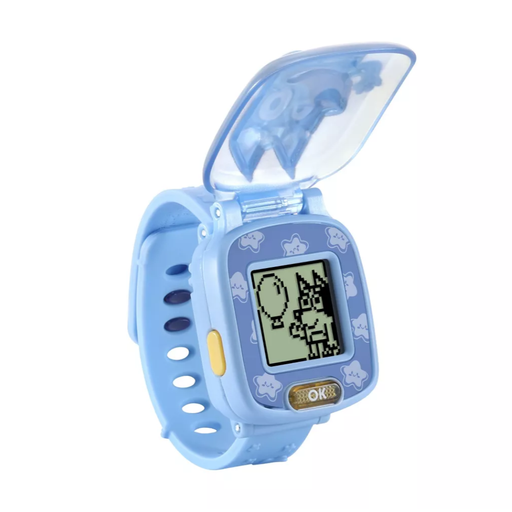
Why This Fits Their Persona: You want a gift that's guaranteed to be a hit for a birthday or Christmas. Leveraging one of the most popular characters in the UK right now, this is one of the most sought-after Bluey toys UK fans will love.
This avoids being passive entertainment by packing four interactive games that require the child to press buttons to help Bluey and Bingo. It actively teaches time-telling skills with a stopwatch, timer and alarm.
Features the real voices of Bluey and Bingo from the show, making it instantly familiar and engaging. It's a wearable toy, which adds to the excitement for a young child.
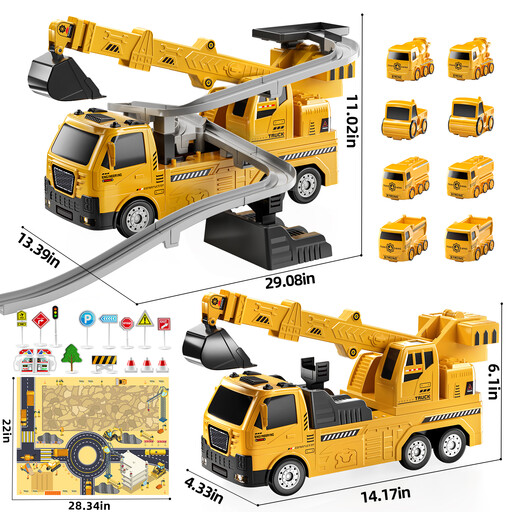
Why This Fits Their Persona: You're looking for a toy that offers long-term, open-ended play and encourages problem-solving. This large set provides a whole world of play, not just a single vehicle.
It directly counters the "limited play value" trap. With a large truck, a spiral race track, 8 mini cars, a play mat and road signs, it provides all the components for complex, imaginative scenarios that can change every time.
The entire set folds up and stores within the main crane truck, making it surprisingly tidy and portable. It encourages social skills through role-playing and teamwork.
We have compiled a complete, real-time list of products that fully satisfy these strict selection criteria and UK safety regulations.
For toys with electronic components, never submerge them in water. The safest method is to use a damp cloth with a small amount of mild soap to wipe down the plastic surfaces. For plush electronic toys, check the label for "surface washable" instructions. Always ensure the toy is completely dry before giving it back to a child.
It varies by product. Many toys, especially those with a "try me" function in the packaging, will come with starter batteries. However, these are often for demonstration purposes and may not last long. It's always a good idea to check the product description for battery requirements (e.g., 2xAA) and purchase a fresh set to avoid disappointment on a birthday or Christmas morning.
While some toys introduce letter sounds to toddlers, dedicated phonics learning generally becomes most effective around the age of 3 to 4, as children begin to recognise letters and connect them to sounds. Toys like Peppa Pig's Phonic Alphabet are designed for this preschool age group, helping to build a foundation for reading before they start school.