
24/7 Customer Support

Free returns

Same-day & Next-day Delivery

Quality Guaranteed

Unlock Your Welcome Offers: FREE Delivery | Up to 80% OFF | Free 30-day JoyPlus trial
Download the APP
For anyone serious about their coffee, the leap from pre-ground beans to freshly ground is a revelation. An electric burr coffee grinder is the centrepiece of this upgrade, promising more flavour, aroma and control. However, the market is filled with models that look the part but fail to deliver. Many UK coffee enthusiasts invest in a new grinder only to find it produces inconsistent results or can't handle their preferred brewing method.
As the Joybuy Product Recommendation Officer, my role is to help you see past the marketing jargon. Before you spend your money, let's look at the common pitfalls that lead to buyer's remorse and how to identify a grinder that will genuinely elevate your daily brew.
To make a smart purchase, focus on the technical specifications that directly impact grind quality and consistency. Here are the three non-negotiable factors for any good home coffee grinder.
The single most important component is the burr set. It determines the uniformity of your coffee grounds, which is essential for an even extraction and a balanced cup.
How you control the distance between the burrs dictates the grinder's versatility. An adjustable coffee grinder is a must, but the type of adjustment matters.
A powerful motor that doesn't stall when grinding hard, light-roast beans is crucial. Equally important is the speed. Many quality grinders use gear reduction to achieve a low grinding speed (RPM). This minimises heat buildup, which can bake the delicate aromatic oils out of your coffee before you even start brewing. It also helps reduce static, meaning less mess on your countertop.
Instead of a generic list, we've matched specific grinders to different coffee drinkers' needs. This ensures you get a machine that fits your lifestyle and brewing habits.
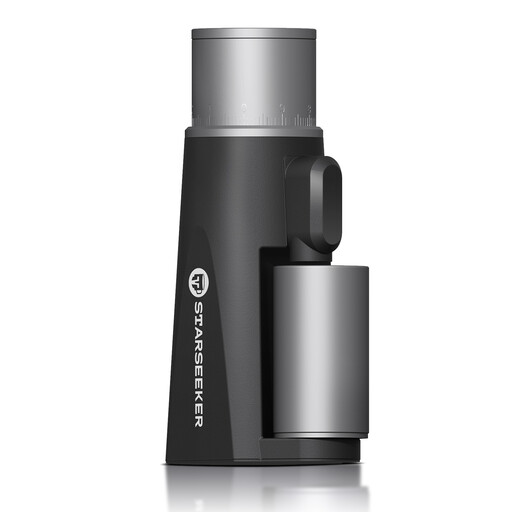
Why This Fits Their Persona: For the coffee lover who wants café-quality grounds while camping, travelling or at the office. This grinder eliminates the need for power sockets and tiring manual grinding, offering true coffee freedom without compromising on grind quality.
It sidesteps the "Portability vs. Power" trap with a substantial 2600mAh battery and a slow-speed (100 RPM) motor. This preserves flavour and provides enough torque for consistent grinding, unlike cheap, high-RPM portable models.
Features 100-step stepless adjustment for precision with any brew method and a fully magnetic assembly for easy cleaning on the go. The low-noise operation makes it suitable for quiet environments like offices.
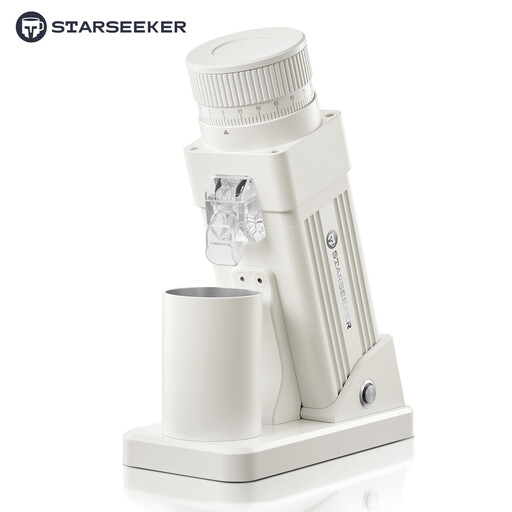
Why This Fits Their Persona: For the dedicated home barista who needs precision and power to dial in the perfect espresso shot. This is a serious piece of equipment for someone who views coffee as a craft and wants a grinder that can keep up with their high-end espresso machine.
It demolishes the "Do-It-All" deception by focusing on professional-grade performance. With large 55mm titanium alloy conical burrs and a powerful 72W AC motor, it's built specifically for the demands of fine espresso grinding, avoiding the compromises of cheaper all-in-one models.
Offers true stepless adjustment for infinite control over grind size. The robust all-metal construction and powerful motor ensure it can handle any coffee bean you throw at it, from light to dark roasts, without stalling.
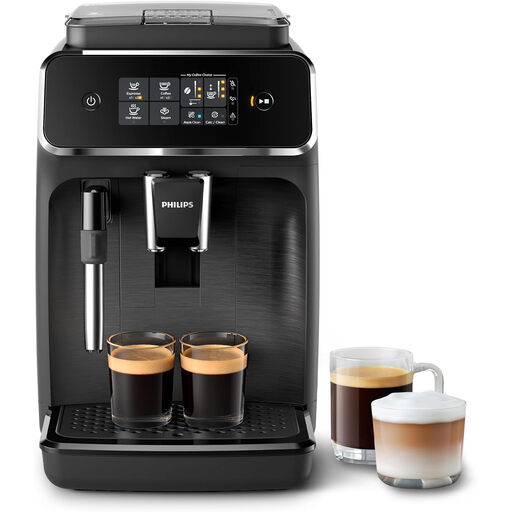
Why This Fits Their Persona: Ideal for those who want the freshness of bean-to-cup coffee with maximum convenience. This machine integrates a grinder, brewer and milk frother into one unit, perfect for busy households or anyone who values simplicity and a clutter-free counter.
While an all-in-one, it avoids the trap of poor components by using a durable 100% ceramic burr grinder. With 12 stepped settings, it offers meaningful control over the grind, a significant step up from basic integrated grinders.
Its main advantage is seamless integration and ease of use. The intuitive touch display and My Coffee Choice menu allow for simple customisation of aroma strength and volume, delivering consistent results with minimal effort.
We have compiled a complete, real-time list of products that fully satisfy these strict selection criteria and UK safety regulations.
The lifespan of a coffee bean grinder uk residents buy depends on its build quality and usage. A well-made home grinder with steel or ceramic burrs should last for 5-10 years with regular cleaning and proper care. The burrs themselves are the main wear item. For an average home user (one or two coffees per day), steel burrs might need replacing after 5-7 years, while ceramic burrs can last longer. Motor quality is also a key factor in the machine's overall longevity.
Neither is inherently "better"; they are just different. A conical burr grinder is a fantastic all-rounder, producing a consistent grind suitable for everything from espresso to French press with less heat and retention. Flat burr grinders are often favoured by espresso purists for producing a very uniform particle size, which can lead to higher extraction yields, but they may require more frequent cleaning to manage retained grounds. For most home users, a quality conical burr grinder offers the ideal balance of performance and convenience.
Static electricity is a common issue, especially in dry winter months or when grinding very dark, oily beans. It's caused by the friction of the beans breaking apart. This can cause grounds to spray over your worktop and clump together in the collection bin. One simple technique to reduce this is to add a single drop of water to your beans and shake them before grinding. This tiny amount of moisture is enough to dissipate the static charge without affecting the grinder or the flavour of your coffee. Some modern grinders also incorporate anti-static technology at the outlet chute.