What matters when choosing
Decide how many glasses you normally prepare in one session, then check whether pressing effort, washing-up, pulp choice or worktop fit is your main constraint.
| Concern | What to check | Who this matters to |
|---|
| Pressing and serving |
Check for a lever or pressure-activated reamer, then whether juice collects in a bowl or pours into a glass that fits beneath the spout. |
If I am preparing several glasses while friends wait, repeated pressing and transferring juice matter most; around 33% of consumers put this serving workflow first. |
| Cleaning and drips |
Identify the removable parts approved for dishwashing and whether the spout has a drip-stop feature. |
After serving, I want to wash the juice-contact parts without leaving drips on the counter. For around 27% of consumers, cleaning and mess control are the primary concern. |
| Pulp preferences |
Look for adjustable pulp settings and check how collected juice will be poured into individual glasses. |
When friends want different amounts of pulp, I need control over each small serving; around 20% of consumers place that flexibility first. |
| Worktop fit and setup |
Measure space for the appliance, fruit preparation and serving vessel; confirm the exact model’s plug and voltage specification. |
If the juicer will stay out between visits, I need it to fit my worktop and electrical setup. Around 20% of consumers prioritise this practical fit. |
Joybuy product choices
These electric citrus juicers offer different ways to collect juice for guests or adjust pulp. Check each model’s serving arrangement and UK electrical specification against your setup.
 No image available
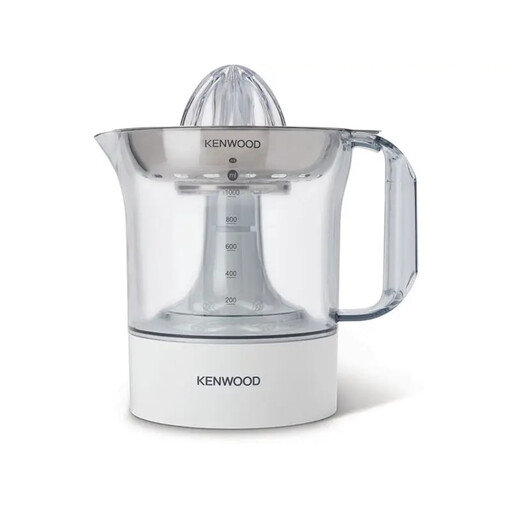
Kenwood JE290A Citrus Juicer, White
Consider this model if you prefer collecting juice before pouring it for friends. Check the exact jug arrangement, cleaning instructions and UK plug specification before buying.
View on Joybuy
 No image available
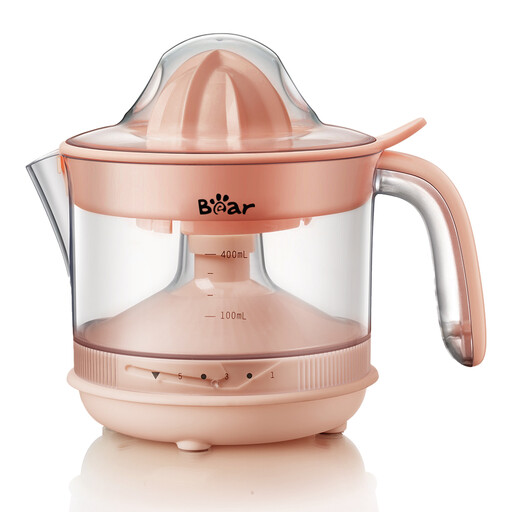
Bear CZJ-A04B1 Citrus Juicer, 5 Pulp Levels
Five adjustable pulp levels may suit smaller servings for friends with different preferences. Follow the exact model’s fruit-preparation instructions, and check its collection container, cleaning guidance and UK electrical specification.
View on Joybuy
 No image available
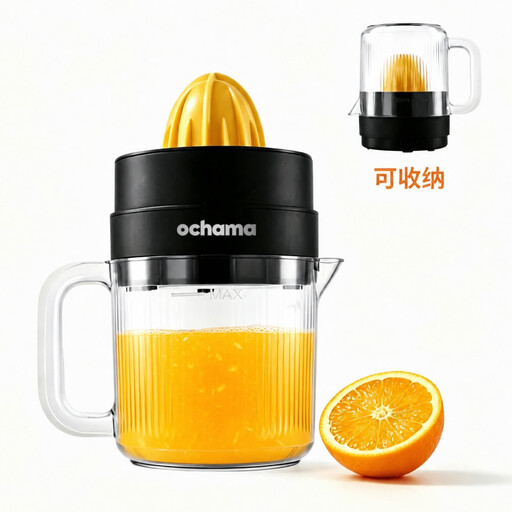
ochama Semi-Automatic Citrus Juicer, 1.4L, 30W
The stated 1.4L container may suit preparing juice before friends arrive. Check how it pours into your serving glasses, which parts can be washed and whether the exact model’s plug and voltage suit your setup.
View on Joybuy
Questions about citrus juicers
Is an electric citrus juicer suitable for making orange juice for friends?
Yes, if you are squeezing halved oranges or other citrus. Braun distinguishes citrus juicers from centrifugal machines intended for harder and whole fruits; for guests, also check how the citrus juicer collects and serves each batch.
Does more motor power mean faster orange juicing?
Wattage alone does not tell you how quickly you can prepare and serve several glasses. The cited models use different pressing and collection arrangements, so compare those steps for the exact model rather than treating its motor rating as a juice-yield measure.
Which parts should I wash after juicing?
Wash the juice-contact parts according to the exact model’s instructions, not a blanket dishwasher-safe claim. Sage names the cone, juice collector, filter basket and fruit dome of its Citrus Press as dishwasher-safe; its manual says to turn the appliance off, unplug it and let it cool before cleaning.
What should I check for UK electrical compatibility?
Confirm the plug and voltage of the exact model before purchase. Smeg specifies a Type-G plug and 220–240 V operation for its CJF11; those specifications should not be assumed for a different juicer. Electrical Safety First also advises checking plugs and cables for damage.
Can I keep using a juicer with a damaged plug or cable?
No: stop using a damaged appliance rather than treating the damage as cosmetic. The Health and Safety Executive advises switching off and unplugging electrical equipment before checks, and Sage’s Citrus Press manual says not to use the appliance if its cord, plug or body is damaged. Seek an appropriate repair or manufacturer support route.


