
24/7 Customer Support

Free returns

Same-day & Next-day Delivery

Quality Guaranteed

Unlock Your Welcome Offers: FREE Delivery | Up to 80% OFF | Free 30-day JoyPlus trial
Download the APP
The thought of a fresh glass of orange juice in the morning is appealing, but the reality of many kitchen gadgets can be less so. An electric citrus juicer promises convenience, but all too often, they end up gathering dust in a cupboard. This usually happens when the initial purchase overlooks a few common design flaws that turn daily use into a chore.
As a Joybuy Product Recommendation Officer, my role is to help you see past the marketing and focus on what truly matters for long-term satisfaction. Before you buy, be aware of these common pitfalls:
To avoid these issues, focus on a few core specifications. Getting these right is the key to finding a reliable orange juicer machine that fits seamlessly into your routine.
This is non-negotiable for any appliance you plan to use frequently. Look for a citrus press electric model with a simple structure. The key features to verify are:
Consider how you'll be using the juicer. A single person has different needs from a family of four.
A good juice extractor for oranges and lemons should be both effective and safe.
Based on these practical criteria, here are a few options suited to different household needs in the UK.
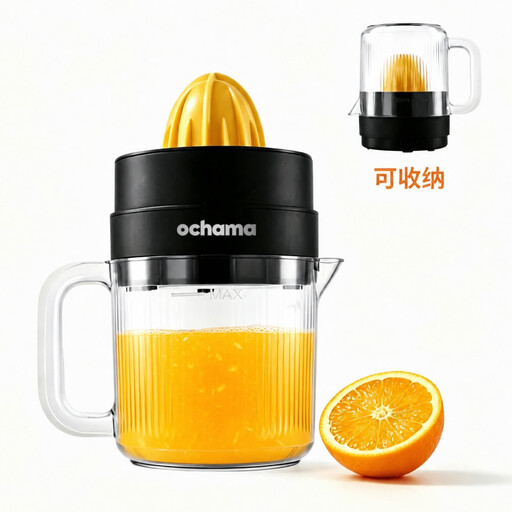
Why This Fits Their Persona: With a 1.4L capacity, this juicer can prepare enough juice for the whole family in one go. Its straightforward electric press operation is efficient for busy mornings.
It directly addresses the safety and cleaning pitfalls. The bladeless design makes it suitable for use around children and its simple, removable parts ensure cleaning is not a time-consuming chore.
The large 1.4L capacity is a standout feature for families. It also includes a pulp separation function to cater to different preferences.
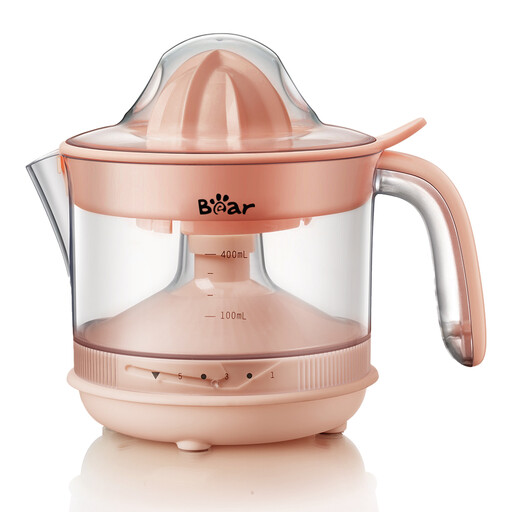
Why This Fits Their Persona: This model is described as compact and lightweight, making it ideal for smaller UK kitchens where counter space is at a premium. It's designed for personal use and easy storage.
Its one-touch operation and simple disassembly tackle the "too complicated" and "hard to clean" issues head-on. Its small footprint means it won't become countertop clutter.
Features 5 adjustable pulp levels, giving you excellent control over your juice's texture. The large 110mm feed chute accommodates larger fruit halves with ease.

Why This Fits Their Persona: For those who value simplicity and reliability over automation. This manual press requires no electricity and has no motor to fail, offering a straightforward way to get fresh juice.
It completely sidesteps the pitfalls of electric models. There are no complex parts to clean (it's dishwasher safe), no safety concerns with motors and its function is beautifully simple.
The non-slip base provides excellent stability during use. It also has a built-in strainer to catch pips and pulp, delivering smooth juice with minimal fuss.
We have compiled a complete, real-time list of products that fully satisfy these strict selection criteria and UK safety regulations.
For hygiene and performance, it's advisable to clean your juicer immediately after each use. Rinsing the parts before the pulp dries makes the process much quicker. Most modern juicers have components that are top-rack dishwasher safe, but always check the manufacturer's instructions.
Most electric citrus juicers are designed for citrus fruits like oranges, lemons, limes and grapefruits. Their reamer-based mechanism is not suitable for hard fruits like apples or vegetables like carrots. For those, you would need a centrifugal or cold-press juicer.
Compared to other types of juicers, electric citrus presses are relatively quiet. They operate at a much lower speed, producing a gentle whirring sound rather than the loud grinding of a centrifugal juicer. This makes them a more pleasant appliance to use, especially in the morning.