Single-glass break-time juicers
If you usually squeeze oranges for one drink, a compact bowl, automatic start and straightforward washing-up may matter more than batch capacity. Braun Household GB’s CJ3000WH is an example of this format.


Choose an electric citrus juicer by how much orange juice you usually make and how you want to collect it, rather than by motor wattage alone. A compact bowl suits a small serving, a measuring jug suits several drinks, and a direct-to-glass press suits serving straight into a glass; check the cleaning instructions and the exact model’s electrical details before buying.
If you usually squeeze oranges for one drink, a compact bowl, automatic start and straightforward washing-up may matter more than batch capacity. Braun Household GB’s CJ3000WH is an example of this format.
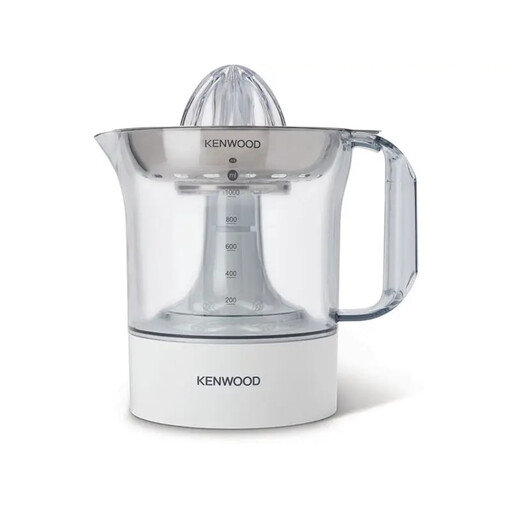
If you make several drinks or measure juice for a recipe, collecting it in a larger jug may be useful. Kenwood GB specifies a 1L measuring cup with a pouring lip for its JE290A.
If you intend to keep the juicer on the worktop and serve straight into a glass, check the spout and the space the machine needs. Smeg UK specifies an anti-drip spout for its CJF11CRUK.
For a short afternoon break, decide how much juice you will make and where it will collect. Then check whether the cleaning routine and storage space fit how often you expect to use the juicer.
| Concern | What to check | Who this matters to |
|---|---|---|
| Quick clean-up | Identify which juicing parts detach and which the manual permits in a dishwasher; keep the motor base separate. | If washing the juicer takes longer than my break allows, I need removable parts that are straightforward to clean. Roughly 40% of consumers put clean-up first. |
| Serving size and pulp | Compare bowl or jug capacity with your usual serving and check whether pulp can be adjusted or filtered. | When I make several drinks, or care about the texture of one glass, the collection capacity and pulp controls shape my choice. Around 30% of consumers prioritise serving size and pulp. |
| Space and serving | Check the dimensions against your worktop or cupboard and whether juice collects in a bowl, jug or glass. | I need the juicer to fit where I will actually use it, without making serving awkward. Approximately 20% of consumers place space and serving flow first. |
| Occasional use | Decide which capacity and controls you would use before comparing the exact models. | If I squeeze oranges only occasionally, I may not need a larger container or extra controls. About 10% of consumers chiefly want a choice proportionate to occasional use. |
Motor wattage does not tell you whether the container holds your usual serving or whether you can pour directly into a glass.
Start with the amount you make at one time, then check the stated capacity and collection method.
A claim about detachable juicing parts does not apply to the electrical base. Electrical Safety First advises against cleaning an electrical appliance while it is plugged in.
Unplug before dismantling or cleaning, and follow the exact model’s instructions for each removable part.
Visually similar regional versions need not have the same supply specification or plug. Smeg UK lists its CJF11CRUK with a 220–240V supply specification and Type G plug; check the details of the item you intend to buy.
Confirm its full model code, voltage range, plug type and seller’s warranty terms before ordering.
Amazon UK describes its electric citrus juicer best-seller list as based on sales and updated frequently. That rank does not establish whether a model fits your serving size, cleaning routine or electrical requirements.
Use a popularity list to identify candidates, then compare the exact models’ specifications and instructions.
Braun’s CJ3000WH illustrates the compact bowl format for smaller servings.
Kenwood’s JE290A illustrates the measuring-jug format for collecting and pouring juice.
Smeg’s CJF11CRUK illustrates a direct-to-glass press for a worktop.
These electric citrus juicers have containers suited to collecting more than a single small glass. If you mainly want one quick drink, consider whether that capacity is useful for your routine.
 No image available
Consider this measuring-jug model if you make several drinks or measure juice for a recipe.
Kenwood GB specifies a 1L measuring cup with a pouring lip, a stainless-steel filter and 40W power for the JE290A.
Check the supplied plug specification for the exact item. Follow the manual’s instructions for cleaning the detachable parts and motor base.
 No image available
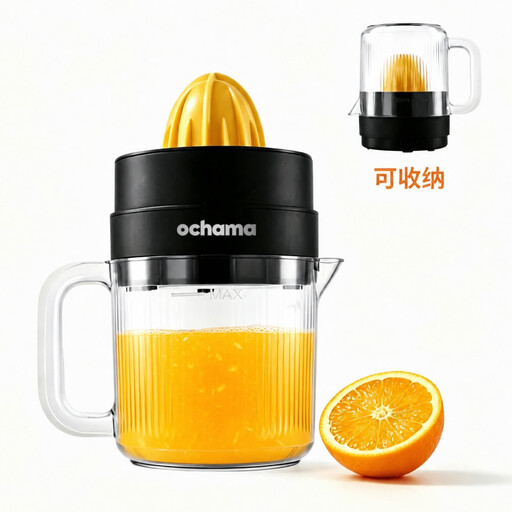
Consider this container size if you intend to collect juice for more than one drink.
The product name specifies a 1.4L container, 30W power and pulp separation.
Check the exact item’s voltage and plug type, dimensions and cleaning instructions before buying.
Choose a container around the amount you usually make at once, rather than assuming a larger one is necessary. Braun’s CJ3000WH has a 350ml bowl according to its Joybuy UK listing, while Kenwood GB specifies a 1L measuring cup for the JE290A if you make several drinks or measure juice for recipes.
Yes, once you have switched it off and unplugged it. Check the exact model’s manual to see which detachable parts can go in a dishwasher; do not immerse the powered base.
Check the exact model’s supply voltage and plug type before buying. Smeg UK specifies 220–240V and a Type G plug for its CJF11CRUK, but a similar-looking regional variant should be checked separately.
Use an electrical-recycling route rather than putting it in ordinary household waste. UK government guidance on waste electrical and electronic equipment describes recovery, reuse and recycling; check your local authority’s or retailer’s current arrangements.